UE/R: SOCO PROJECT FACILITATORS URGED TO WORK HARD FOR THE SUCCESS OF THE PROJECT – DCE NABDAM
By – Gladys Apuweni
WaterAid is stepping up efforts to strengthen climate resilience and improve water security in vulnerable communities through a small grant initiative that empowers women and local groups to identify and implement solutions to water related challenges
The initiative seeks to promote community ownership of development interventions by providing accessible funding for locally identified solutions, particularly those that address the growing impact of climate change on water resources, agriculture and livelihoods
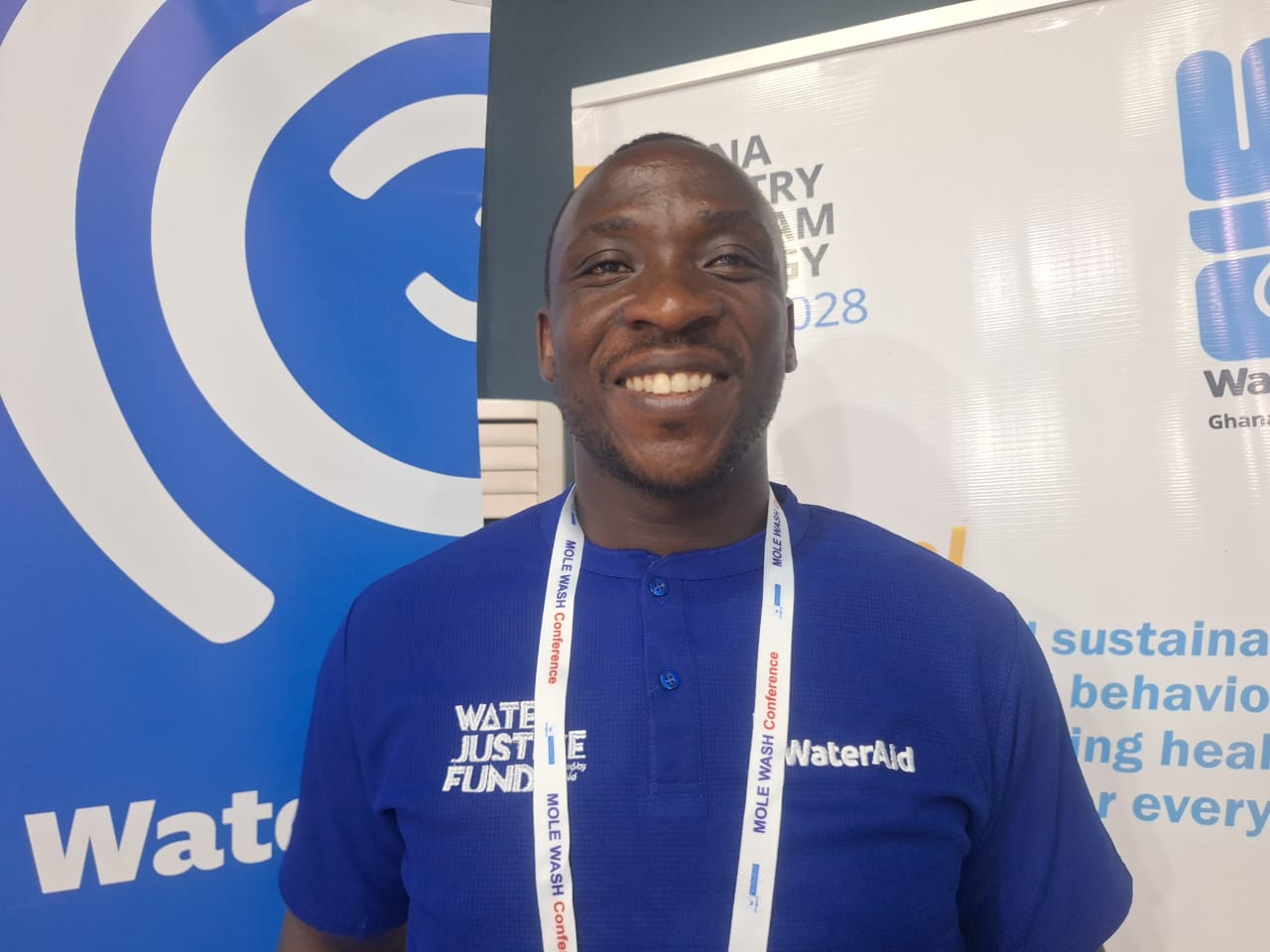
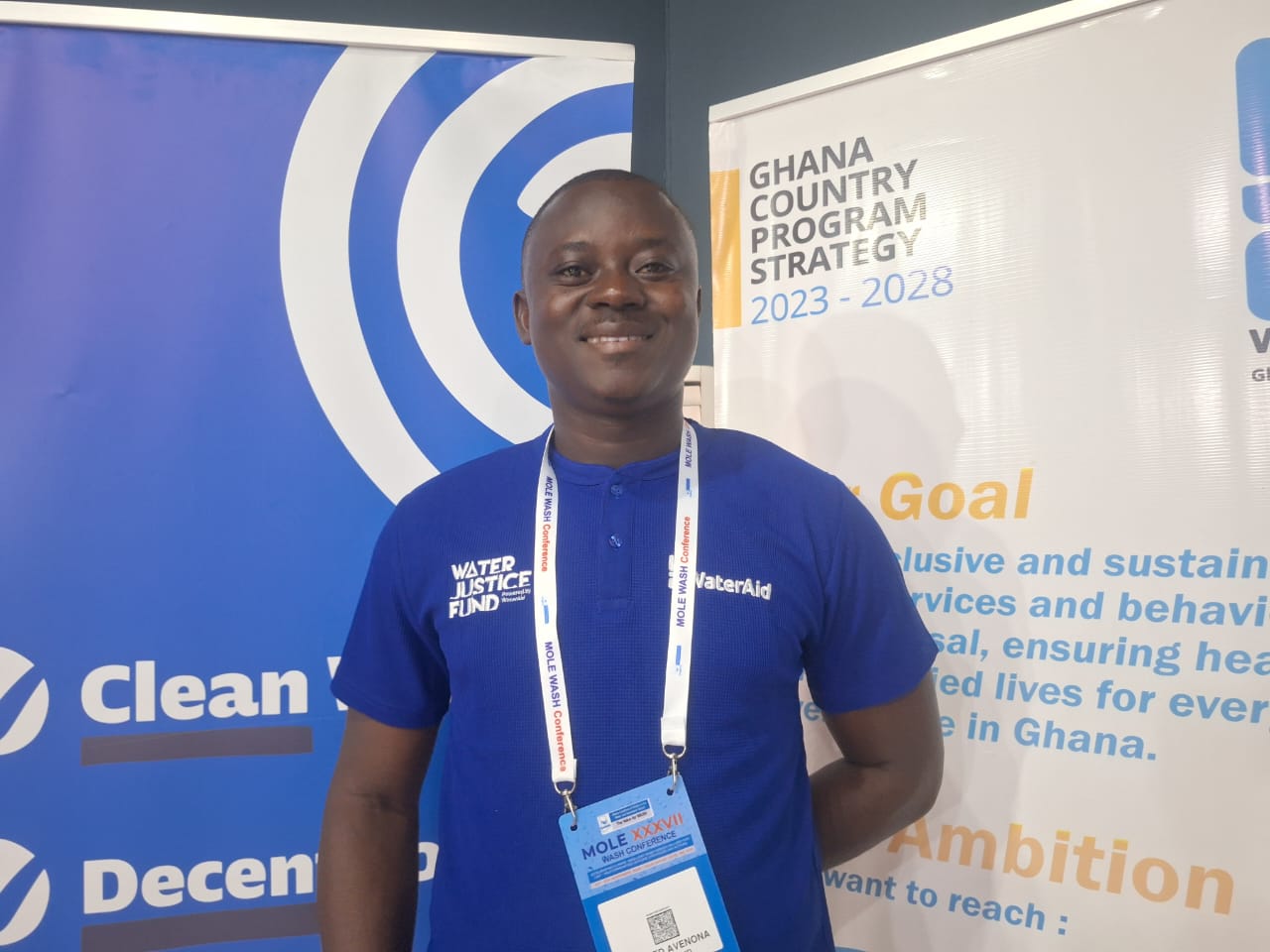
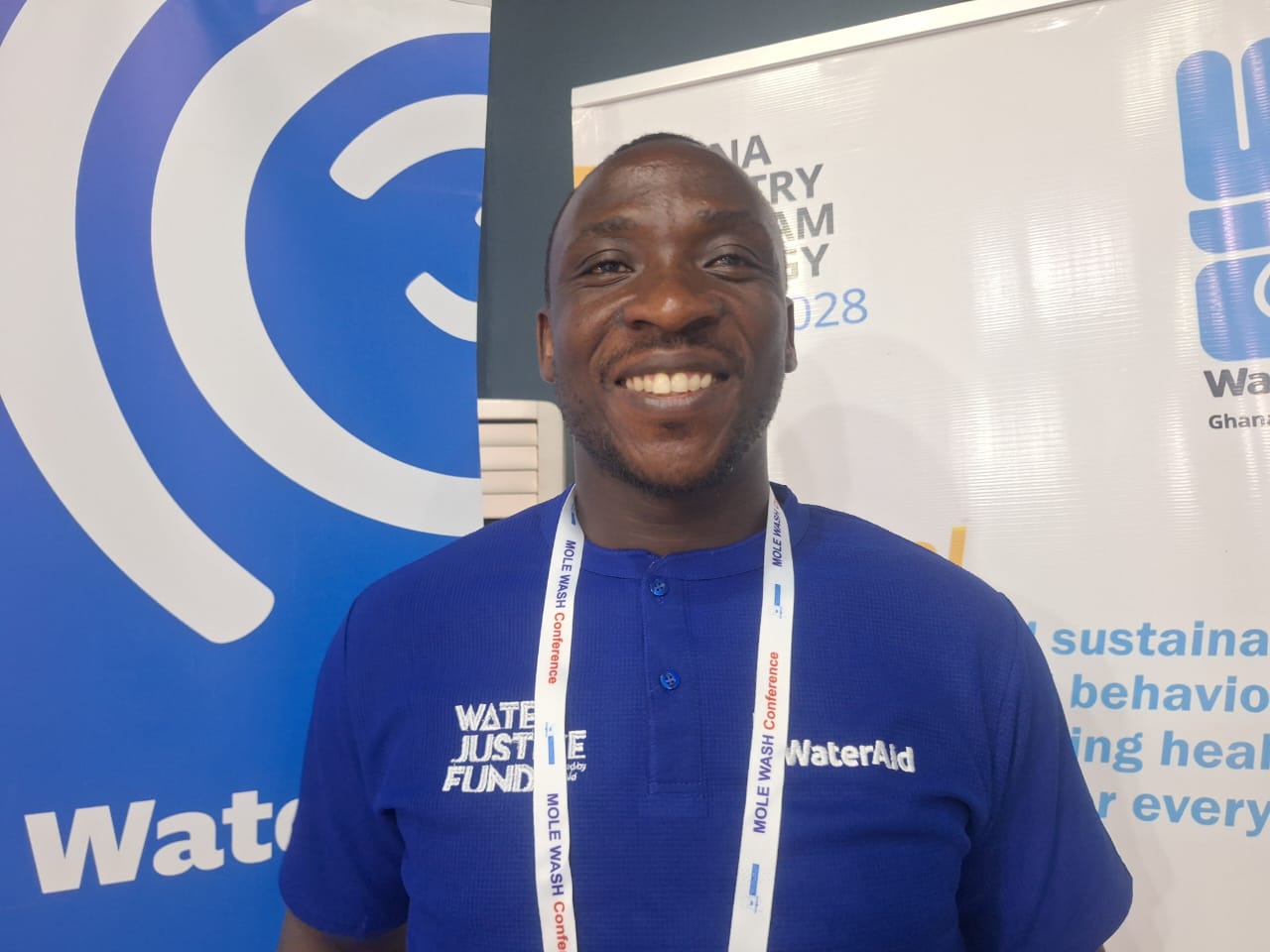
Programme Manager for WASH and Climate Resilience at WaterAid, Richard Ntibrey, disclosed this in an exclusive interview on November 3, 2026, during the XXXVII(37th) edition of the MOLE Conference at Aqua Safari Resort in Ada, Greater Accra Region
He explained that although communities have considerable knowledge of the environmental challenges confronting them, including seasonal water shortages, prolonged dry spells and declining water availability, their ability to respond is often constrained by inadequate financial resources
Mr Ntibrey noted that WaterAid’s vision of ensuring that everyone, everywhere, has access to decent toilets, safe water and good hygiene could only be achieved when such services were sustainable, adding that climate change had become a major threat to the long term sustainability of WASH services
He said the small grant initiative was therefore designed to eliminate complicated funding procedures and enable communities to access financial support for practical solutions they identify themselves
Under the arrangement, communities are encouraged to identify their most pressing water related challenges, develop proposals and seek the involvement of women’s groups before submitting their applications for funding
Mr Ntibrey cited an example of a community where residents traditionally scooped the ground to access water for farming. The community subsequently proposed mechanising a small water system to improve water access, support agricultural activities and enhance household incomes. WaterAid supported the proposal as a practical intervention to optimise water resources and strengthen livelihoods
He revealed that the first round of applications attracted more than 100 proposals, out of which approximately 10 or 11 received funding.
However, feedback from applicants indicated that the initial application process was inaccessible to some communities, prompting WaterAid to introduce more flexible application channels, including WhatsApp platforms, photographs, videos and voice recordings
He explained that communities can now document their challenges through pictures, videos or voice notes and share them on designated WhatsApp platforms. Local implementing partners subsequently visit the communities, assess their concerns and assist them in developing and submitting proposals.
Mr Ntibrey emphasised that the initiative prioritises inclusion, particularly for persons with disabilities, single mothers, women without access to land and other vulnerable groups who often face difficulties accessing development funding
He stressed that women’s leadership is a fundamental requirement, explaining that proposals must be women led or women co led to qualify for consideration
He was quick to clarify that empowering women to lead does not mean excluding men from the process, but rather encouraging them to contribute their skills and support the implementation of initiatives that benefit entire communities
Looking ahead, Mr Ntibrey expressed confidence in the initiative’s potential for expansion beyond its current geographical coverage, indicating WaterAid’s commitment to working with partners to integrate the approach into their institutional systems to guarantee long term sustainability
He maintained that when communities are empowered with the resources to address challenges they have identified themselves, they develop a stronger sense of ownership and responsibility towards protecting the interventions
He said the ultimate goal was to move beyond conventional development approaches by ensuring that vulnerable communities, especially women, have the resources, opportunity and decision making power to build lasting resilience against climate change
Source – gbcuraonline.com