UE/R: SOCO PROJECT FACILITATORS URGED TO WORK HARD FOR THE SUCCESS OF THE PROJECT – DCE NABDAM
By – Gladys Apuweni
Communities across the Upper East Region are benefiting from an innovative community led funding initiative designed to strengthen water security and build resilience against the growing effects of climate change
The initiative, being implemented under two projects known as Securing Water Access Projects (SWAP) and FLAIR, seeks to empower vulnerable communities, particularly women and young people, to develop and implement locally driven solutions to water related challenges and climate shocks
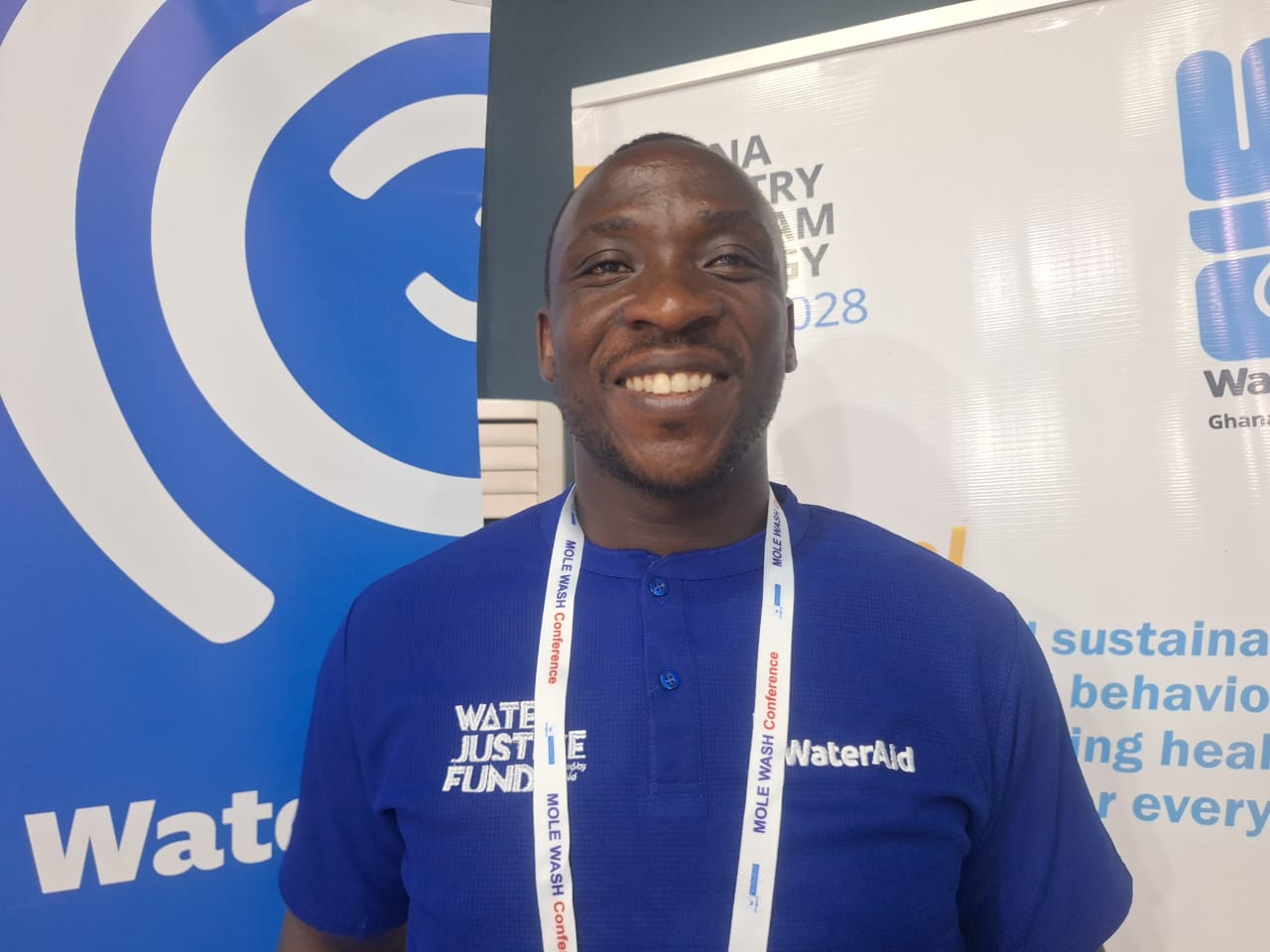
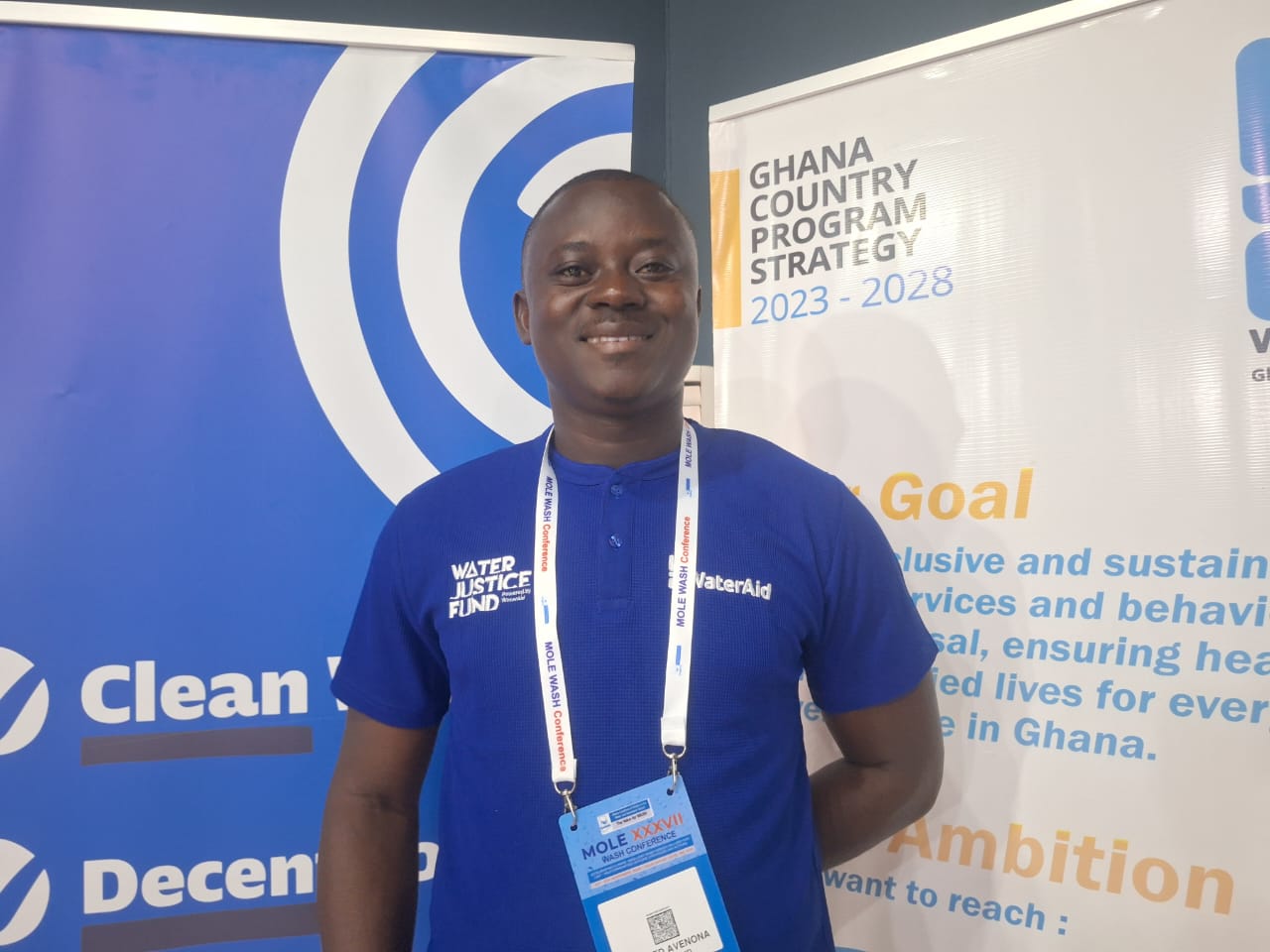
Speaking in an interview with GBC URA Radio at the XXXVII( 37th) edition of the MOLE Conference, Alfred Avenona, Project Coordinator for Climate Resilient Water, Sanitation and Hygiene (WASH), said the initiative was developed following a climate risk and vulnerability assessment conducted in the project’s operational areas
He explained that the assessment revealed that many communities were experiencing climate related challenges that could be addressed through locally developed solutions, stressing the need to move away from the conventional approach of relying solely on external interventions
According to him, community members understand their challenges better and should therefore be given the opportunity and resources to develop solutions that respond directly to their needs
Under the initiative, a funding mechanism has been established to provide financial support directly to individuals, community groups and communities with innovative proposals aimed at improving water security and strengthening climate resilience
Mr Avenona said the funding framework deliberately prioritises women, young people and other vulnerable groups, who are often disproportionately affected by climate related water challenges because of their close relationship with household water use and management
He noted that eligible proposals could focus on climate resilient WASH interventions, livelihood related activities, watershed management and other community based innovations capable of improving resilience to climate shocks
He explained that community members are first sensitised and supported by local implementing partners to identify their most pressing water security challenges, prioritise their needs and develop proposals for consideration by a structured review committee
The project has also demonstrated flexibility in supporting individuals whose initiatives address wider community needs
Mr Avenona cited the example of a social entrepreneur who successfully drilled a high yielding borehole in an area where groundwater availability is a major challenge, with several other boreholes reportedly drying up after November.
The individual subsequently applied for support to expand the water facility, creating an opportunity to improve access to water for other residents
Mr Avenona described the intervention as an example of how individual initiatives can contribute to solving broader community challenges when given the necessary financial and institutional support
He disclosed that the two funding windows had initially mobilised GH¢400,000, with an additional €150,000 secured to scale up the initiative.
Beyond the immediate project interventions, he said efforts were underway to establish a sustainable funding arrangement that would continue operating even after the lifespan of the two projects
To achieve this, the initiative has been anchored in the existing White Volta Basin Watershed Fund, launched under the leadership of the Water Resources Commission, to provide an institutional framework for long term sustainability.
He said the Water Resources Commission was actively involved in the implementation process through its existing sub basin structures, which are expected to provide the institutional foundation for sustaining and expanding the initiative
Mr Avenona further disclosed that plans were underway to expand the intervention beyond its current five district operational areas to cover more than 36 districts within the White Volta Basin
He said a groundwater monitoring framework was being developed in collaboration with the Water Resources Commission to facilitate the expansion and provide a stronger foundation for monitoring water resources across the basin
The framework, he added, would also help ensure that future interventions respond to the different climatic conditions and water security challenges confronting communities across the basin
Mr Avenona expressed optimism that the framework would be finalised before the end of the year, paving the way for the initiative’s expansion
He emphasised that addressing climate change does not always require expensive interventions, noting that small, community identified solutions, when properly funded and supported, could generate significant improvements in water security and livelihoods
He called for sustained investment in community led initiatives, stressing that empowering local people to identify and address their own challenges remains critical to building resilient communities
Source – gbcuraonline.com.