UE/R: SOCO PROJECT FACILITATORS URGED TO WORK HARD FOR THE SUCCESS OF THE PROJECT – DCE NABDAM
By – Gladys Apuweni
The Water Resources Commission (WRC) is developing a framework to guide groundwater monitoring and management in Ghana, as part of efforts to protect freshwater resources and ensure sustainable access to potable water for present and future generations
The initiative was discussed at a one day stakeholder engagement held in Bolgatanga on Tuesday, October 13, 2026, which brought together representatives from water, environmental, academic and development institutions, as well as local government authorities and other stakeholders
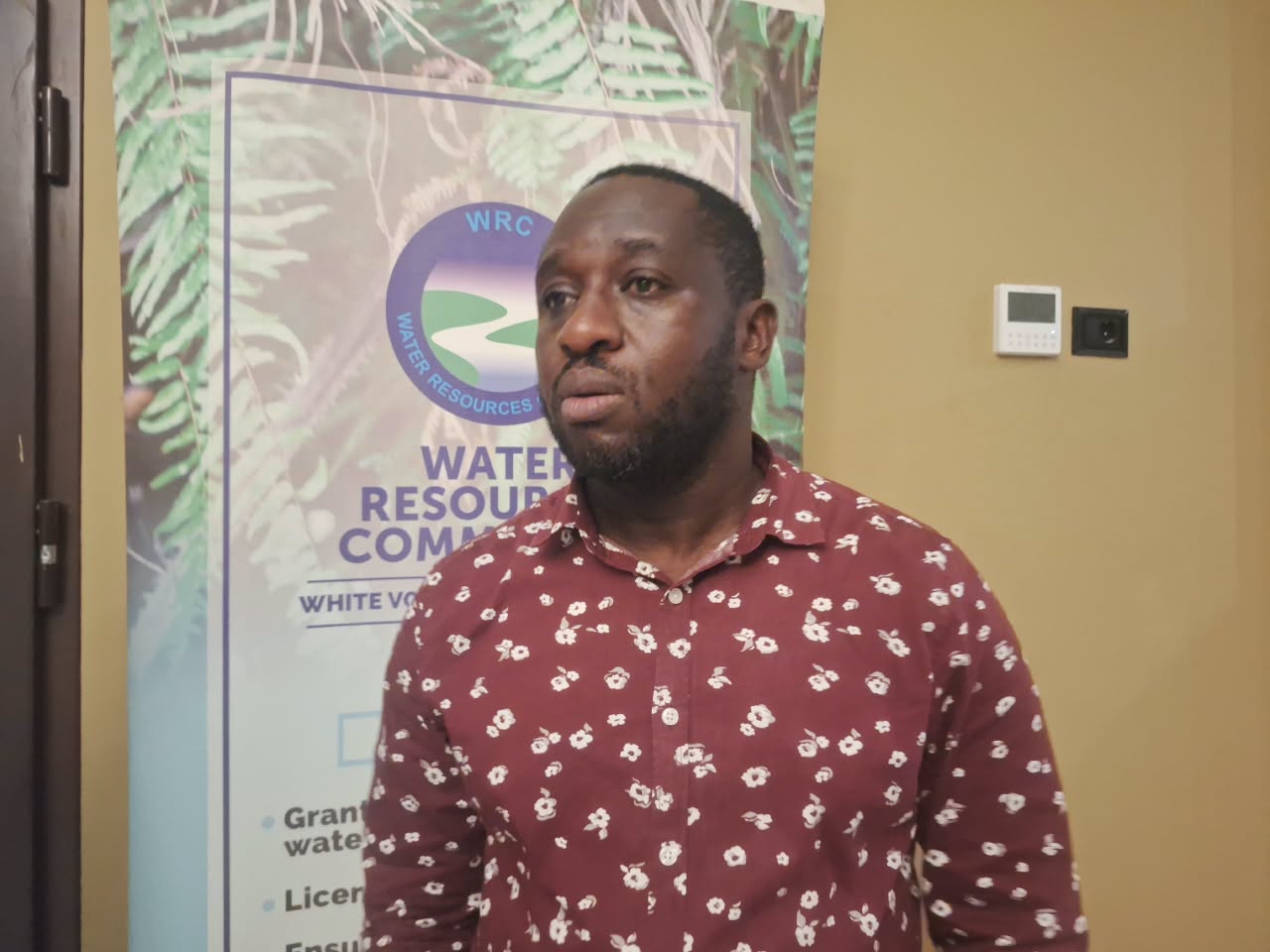
Speaking at the engagement, Head of the White Volta Basin Secretariat of the WRC, Mr Jesse Kazapoe, said more than 80 per cent of the population within the basin relied on groundwater as their primary source of domestic water supply, making its protection critical to public health and livelihoods
He noted that with the basin’s population estimated at approximately four million and projected to grow by 2.6 per cent, increasing demand would place additional pressure on groundwater reserves, which are finite and could diminish over time without effective management
Mr Kazapoe explained that the proposed framework would serve as a blueprint for groundwater monitoring, outlining where monitoring should take place, the wells to be monitored, the parameters to be assessed, the roles of relevant stakeholders and the resources required to implement the programme
He stressed the need to identify and map potential sources of groundwater contamination, including illegal mining sites, refuse dumps, contaminated rivers, burial grounds, oil and lubricant storage facilities, and abattoirs
According to him, identifying these risks and their possible effects on groundwater would enable authorities to respond promptly and develop lasting solutions
The engagement provided a platform for stakeholders to review the draft framework, share technical knowledge and offer recommendations to address potential gaps before its finalisation
Participants included representatives from CONIWAS, the University for Development Studies (UDS), the University of Technology and Applied Sciences (UTAS), WaterAid, the Community Water and Sanitation Agency’s stakeholder networks, CSIR, Ghana Water Company Limited, Water and Sanitation Management Teams (WSMTs), the Environmental Protection Authority (EPA), the Northern Drillers Association, and representatives of district assemblies, persons with disabilities and other relevant groups
Mr Kazapoe expressed satisfaction with the participation and contributions received, expressing hope that the framework would provide a strong foundation for effective groundwater monitoring and management across Ghana
He called for continued collaboration among stakeholders to protect groundwater resources and safeguard the water needs of future generations
Source – gbcuraonline.com