UE/R: SOCO PROJECT FACILITATORS URGED TO WORK HARD FOR THE SUCCESS OF THE PROJECT – DCE NABDAM
By – Gladys Apuweni
Experts in water resource management and civil engineering have called for the integration of indigenous knowledge and stronger stakeholder collaboration into the groundwater monitoring framework being developed for the White Volta Basin by the Water Resources Commission (WRC), with support from WaterAid
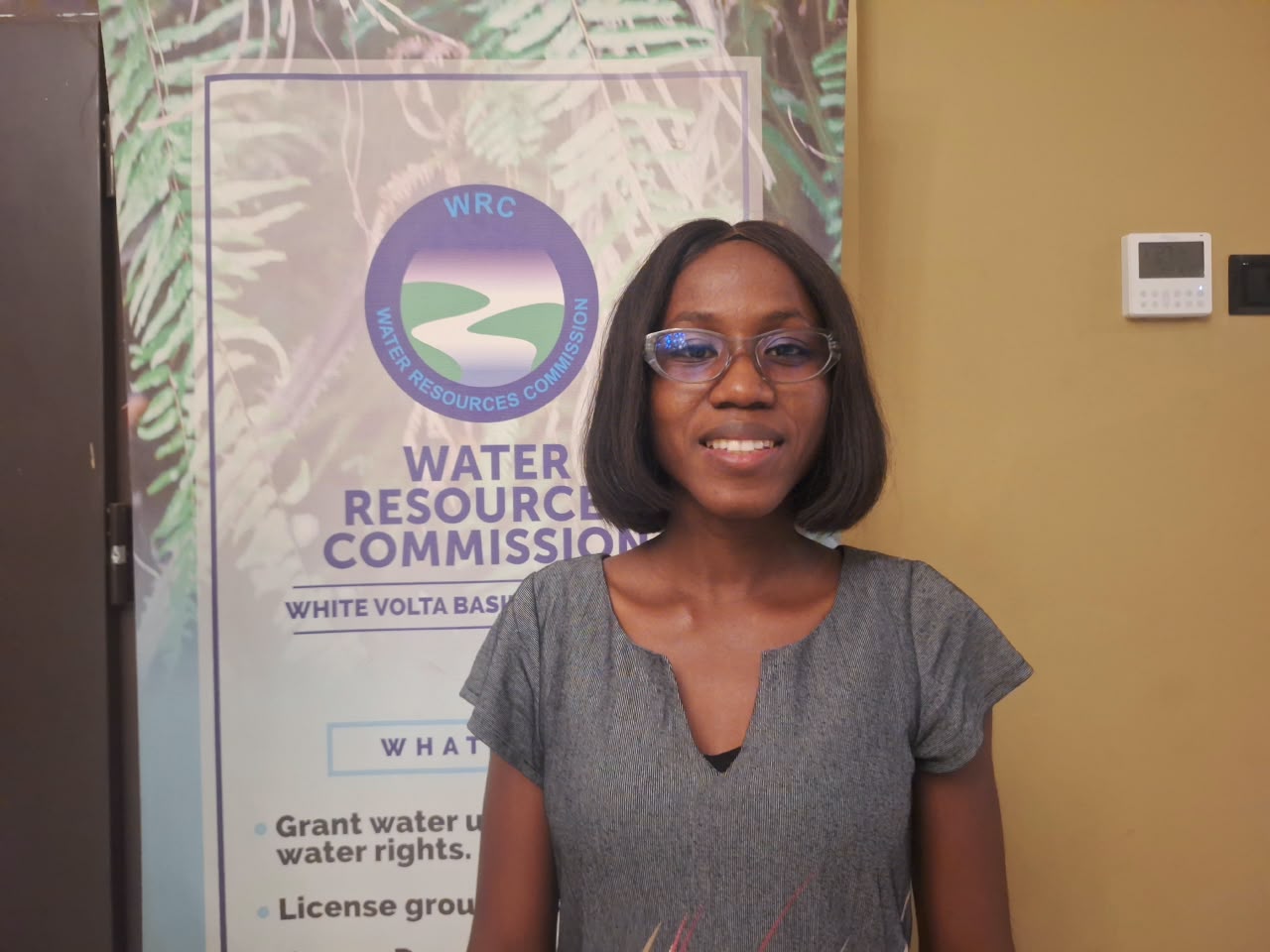
Mabel Kuma, a Research Officer with the International Water Management Institute (IWMI), said incorporating local knowledge into conventional data collection would improve understanding of groundwater systems and strengthen the effectiveness of the monitoring framework. She explained that indigenous communities possess valuable knowledge and experience about groundwater resources, which are often overlooked in conventional quantitative data collection methods
Ms. Kuma, whose expertise includes water resource management, hydrology, geographical information systems (GIS) and spatial mapping, said the integration of qualitative data with quantitative information would provide a more comprehensive understanding of groundwater conditions
She commended the WRC and WaterAid for the initiative, describing it as an important step towards improving groundwater management in the basin
She also emphasised the need for a participatory approach that brings different stakeholders together to develop practical and sustainable solutions to water related challenges
According to her, the framework’s long-term success would depend not only on the contributions made during stakeholder engagements but also on sustained implementation to ensure that the initiative produces lasting results
Similarly, Engineer Nana Kobi Abunsu, a lecturer at the Department of Civil Engineering, School of Engineering, University for Development Studies (UDS), described the stakeholder engagement as well-structured and inclusive
He noted that the participation of academia, industry players, community representatives and district assemblies had created an opportunity for stakeholders to contribute their expertise to the development of a framework that reflects their needs and aspirations
Engineer Abunsu recommended the establishment of a groundwater monitoring sector working group to coordinate implementation and ensure that the framework’s recommendations are effectively carried out
He proposed that the group should involve key institutions, including the WRC, Community Water and Sanitation Agency (CWSA), Ghana Water Limited, Metropolitan, Municipal and District Assemblies (MMDAs), the Environmental Protection Agency, the Ghana Meteorological Agency and the Ghana Standards Authority
He said such a working group would provide continued leadership, coordination and oversight to support the effective implementation and sustainability of the groundwater monitoring framework
Both experts expressed optimism that incorporating diverse expertise, indigenous knowledge and sustained stakeholder participation would strengthen groundwater monitoring and management in the White Volta Basin
Source – gbcuraonline.com