UE/R: SOCO PROJECT FACILITATORS URGED TO WORK HARD FOR THE SUCCESS OF THE PROJECT – DCE NABDAM
By – Prosper Adankai
More than 80 per cent of residents in the White Volta Basin depend on groundwater for their daily domestic water supply, raising concerns about the sustainability of the resource amid population growth and potential contamination from human activities
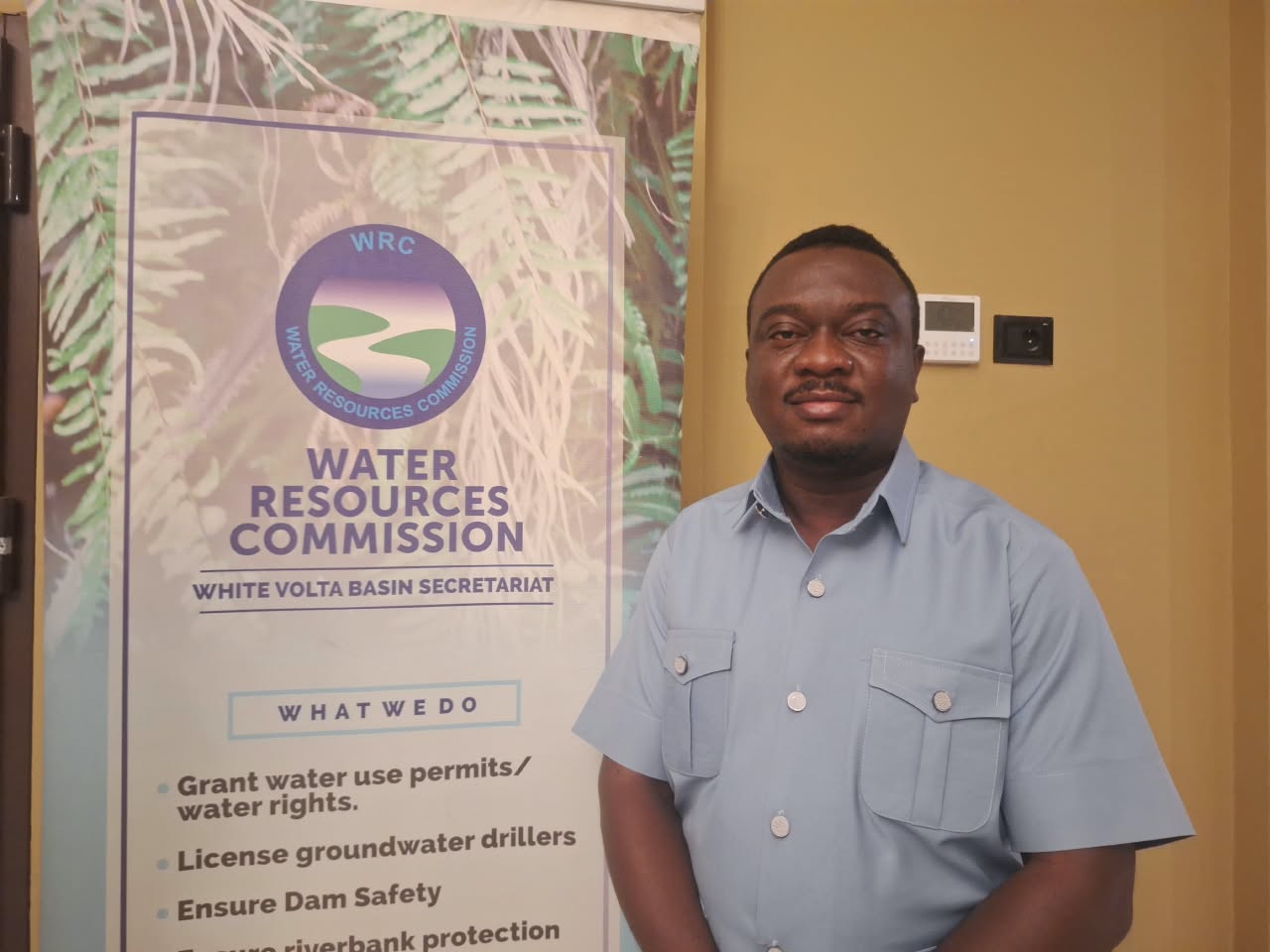
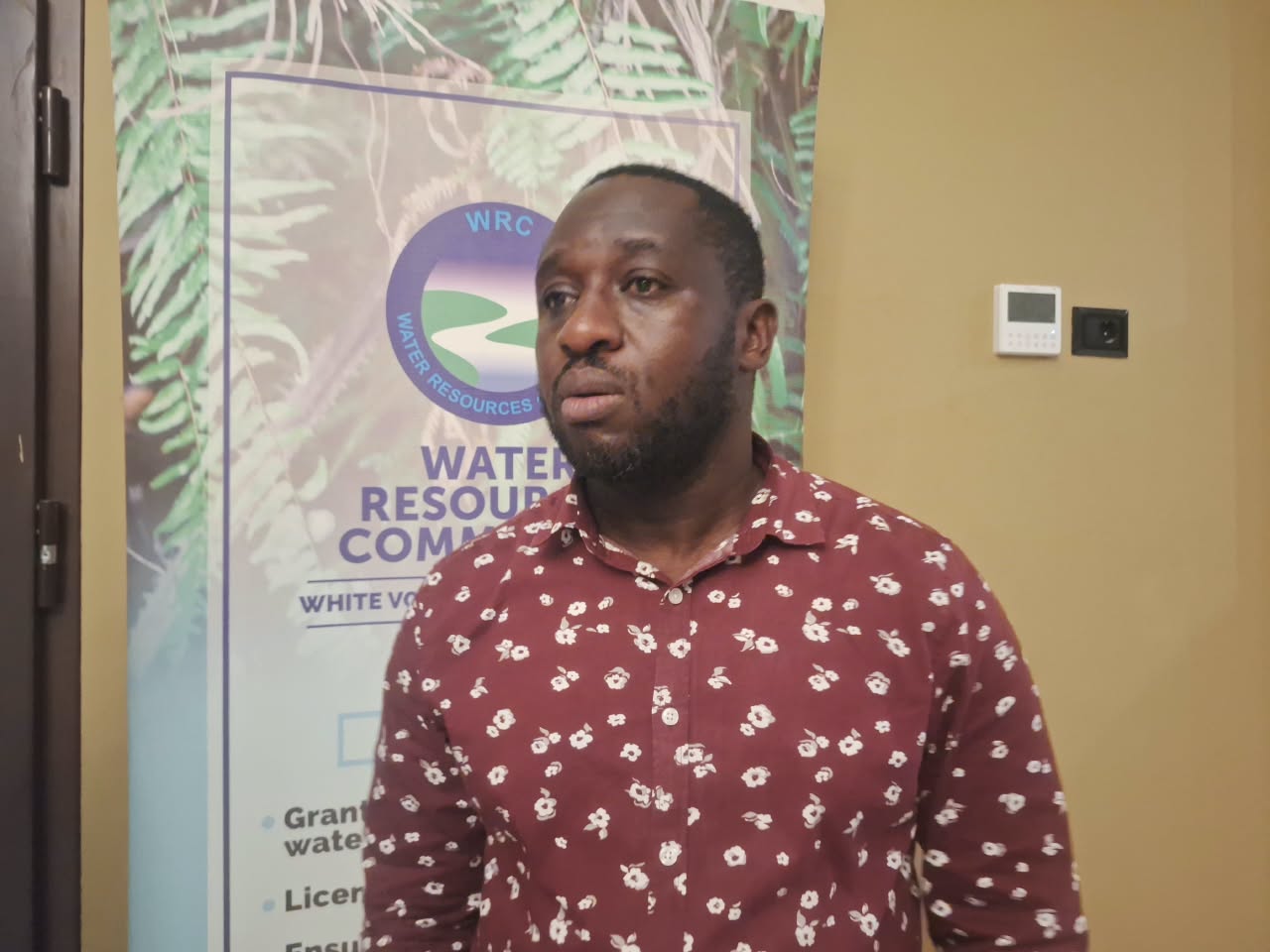
Head of the White Volta Basin of the Water Resources Commission (WRC), Jesse Kazapoe, has warned that protecting the resource is critical to ensuring that future generations have access to safe drinking water
He said the basin had an estimated population of about four million people, with an annual growth rate projected at 2.6 per cent, a trend that could intensify pressure on groundwater reserves if demand continued to increase
According to him, the growing population and competing water needs make it necessary to establish effective monitoring systems and sustainable management practices to protect the resource
“More than 80 per cent of the people rely on groundwater for our daily water supply. That is the basic mode of our domestic water supply,” he said
Mr Kazapoe explained that the implications of groundwater depletion could be severe for communities that rely on underground reserves as their primary source of water
He expressed concern that while demand for water was expected to rise with population growth, groundwater reserves could come under increasing pressure, making it essential to manage them carefully
“If it is going to diminish and the population is going to grow, then there will be competing needs. The demand on it is going to be high,” he said
To address these concerns, the Water Resources Commission, with support from WaterAid, is developing a groundwater monitoring framework intended to guide the systematic assessment and management of groundwater resources in the White Volta Basin
Mr Kazapoe said the framework would provide guidance on where monitoring should take place, which wells should be selected, what parameters should be measured, and which institutions and stakeholders should be involved
It is also expected to address the resources required to sustain monitoring activities and support evidence-based decisions on groundwater management
He said the stakeholder engagement was organised to gather technical expertise, community experiences and institutional perspectives to improve a draft of the framework before its completion
The process brought together participants from different institutions, professional backgrounds and livelihoods to identify gaps and make recommendations that would strengthen the document
According to Mr Kazapoe, incorporating these contributions would help ensure that the final framework adequately addresses the challenges associated with groundwater monitoring and management
He stressed that the objective was not simply to produce a document but to establish a practical foundation for monitoring groundwater conditions and protecting the resource over time
One of the key issues raised during the stakeholder engagement was the potential contamination of groundwater from activities and facilities within communities
Mr Kazapoe said identifying and mapping potential sources of contamination would be an important component of the monitoring framework
These sources, he explained, could include illegal mining sites, refuse dumps, contaminated rivers, burial grounds, facilities storing lubricants and oils, and abattoirs where animal waste could enter the surrounding environment
He warned that failure to identify such locations and assess their potential effects could make it difficult to trace the causes of groundwater contamination when problems emerge
“Once we identify the source of contamination, this possible source of contamination, whether it is an illegal mining site, whether it’s a refuse dumping site, whether it’s a river that is contaminated, whether it’s a burial site … we need to be able to point out all these areas on our data monitoring system,” he said
He explained that mapping potential contamination sources alongside groundwater monitoring points would help experts identify possible links between pollution and changes in water quality
Such information could support earlier investigations and enable the relevant institutions to develop targeted responses when contamination is detected
For communities that depend heavily on groundwater, this approach could help strengthen efforts to protect drinking water sources against environmental risks
Mr Kazapoe said the effectiveness of the framework would ultimately depend on its implementation and the ability of responsible institutions to respond to the problems identified through monitoring
He expressed satisfaction with the participation and contributions of stakeholders, describing their engagement as encouraging and valuable to the development of the draft document
He said the commission hoped the framework would provide a foundation for groundwater monitoring and management beyond the White Volta Basin, with the potential for similar approaches to be adapted for other parts of the country
“We hope that this becomes the foundation for groundwater monitoring and management in the whole country,” he said
He added that the next steps would involve finalising the framework and progressing towards the implementation of the plans and recommendations it generates
The concerns raised by the WRC director highlight the importance of safeguarding groundwater as population growth, environmental pressures and competing water needs place increasing demands on available resources
For households that depend on boreholes and other groundwater sources, the sustainability of these reserves has direct implications for access to drinking water and everyday life
The proposed monitoring framework offers an opportunity to strengthen the evidence available to water managers, identify potential threats earlier and improve coordination among institutions responsible for protecting the resource
However, its long-term impact will depend on sustained implementation, adequate resources and effective collaboration among government agencies, researchers, local authorities, industry and communities
As the framework takes shape, the central challenge will be ensuring that groundwater is not only monitored but also protected against depletion and contamination
For the millions of people who depend on the White Volta Basin, the stakes extend beyond water management: they concern the security of an essential resource for present and future generations
Source – gbcuraonline.com