UE/R: SOCO PROJECT FACILITATORS URGED TO WORK HARD FOR THE SUCCESS OF THE PROJECT – DCE NABDAM
By – Prosper Adankai
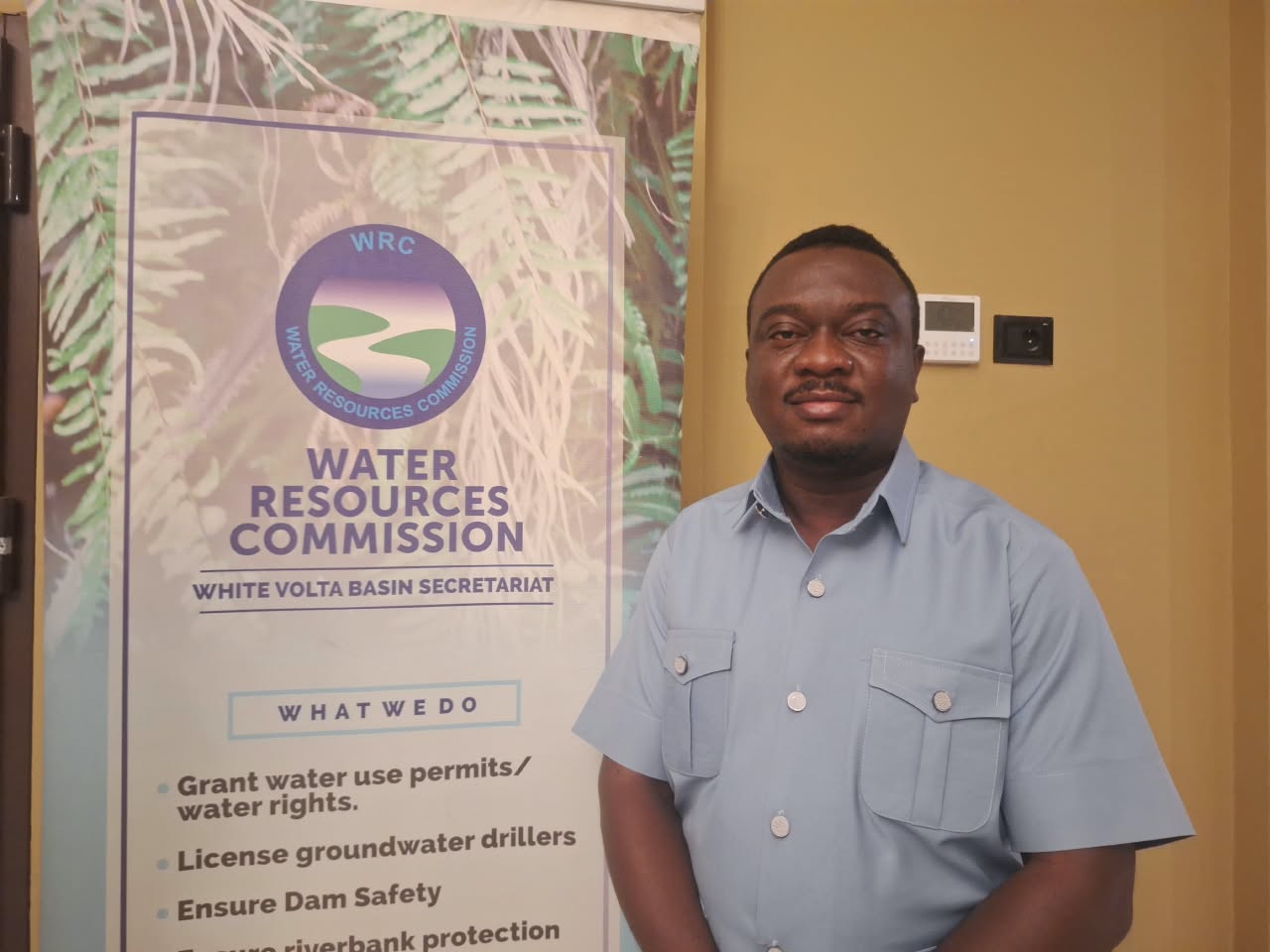
A lecturer at the University for Development Studies (UDS), Engineer Nana Kobea Bonso, has called for the establishment of a multi-stakeholder sector working group to coordinate the implementation and sustainability of a groundwater monitoring framework being developed for the White Volta Basin
He said the proposed group would bring together key institutions, local authorities, industry players, academia and community representatives to ensure that recommendations under the framework are translated into practical action
Ing Bonso made the call during a stakeholder engagement on the groundwater monitoring framework being developed by the Water Resources Commission (WRC), with support from WaterAid
He described the engagement as a well-structured and participatory process that had created an opportunity for stakeholders with different interests and experiences to contribute to the development of the framework
According to him, the involvement of people from different sectors was important to ensuring that the framework reflected the needs and aspirations of those who depend on, manage or have professional responsibilities relating to groundwater resources
“We noticed that there were people from all walks of life who are connected in one way or the other to groundwater,” he said, citing participants from academia, industry, communities and district assemblies
Ing Bonso, who lectures at the Department of Civil Engineering at the UDS School of Engineering, said developing the monitoring framework was an important step, but its effectiveness would depend largely on how well its implementation was coordinated
He proposed the formation of a sector steering or working group comprising institutions and stakeholders with responsibilities in groundwater management and water service delivery
He said the Water Resources Commission should lead the process of identifying and bringing together relevant institutions to establish the group
Among the organisations he identified were the Community Water and Sanitation Agency (CWSA), Ghana Water Limited, Metropolitan, Municipal and District Assemblies (MMDAs), the Environmental Protection Authority (EPA), the Ghana Meteorological Agency and the Ghana Standards Authority
He said the inclusion of these institutions would help create a coordinated platform for stakeholders to contribute their expertise, support implementation and monitor progress
According to him, the proposed working group should go beyond serving as an advisory body and take an active role in ensuring that the framework’s recommendations are implemented
The group, he explained, could champion the monitoring initiative and help sustain the commitment of participating institutions over time
Ing Bonso’s proposal underscores the importance of collaboration in addressing groundwater management challenges, which often require the combined efforts of technical experts, public institutions, local authorities and the communities that depend on the resource
He said the stakeholder engagement had demonstrated the value of participatory decision-making, allowing different groups to share their perspectives and contribute to a common framework
For communities within the White Volta Basin, an effective groundwater monitoring system could provide a stronger basis for understanding groundwater conditions and informing decisions on the management of this essential resource
However, he stressed that the benefits of the framework would depend on sustained coordination and the translation of stakeholder recommendations into concrete outcomes
He expressed optimism that establishing a sector working group would provide the institutional support needed to move the initiative forward
The call for a dedicated working group adds to discussions on how the groundwater monitoring framework can be implemented and sustained beyond the stakeholder engagement process
By bringing relevant institutions together under a coordinated structure, the proposed group could help clarify responsibilities, strengthen collaboration and maintain attention on the framework’s recommendations
For Ing Bonso, the priority is to ensure that the work undertaken by stakeholders leads to meaningful results rather than ending with the conclusion of the engagement
His recommendation places institutional coordination and sustained implementation at the heart of efforts to build a groundwater monitoring system that serves the needs of the White Volta Basin
Source – gbcuraonline.com