UE/R: SOCO PROJECT FACILITATORS URGED TO WORK HARD FOR THE SUCCESS OF THE PROJECT – DCE NABDAM
By – Prosper Adankai
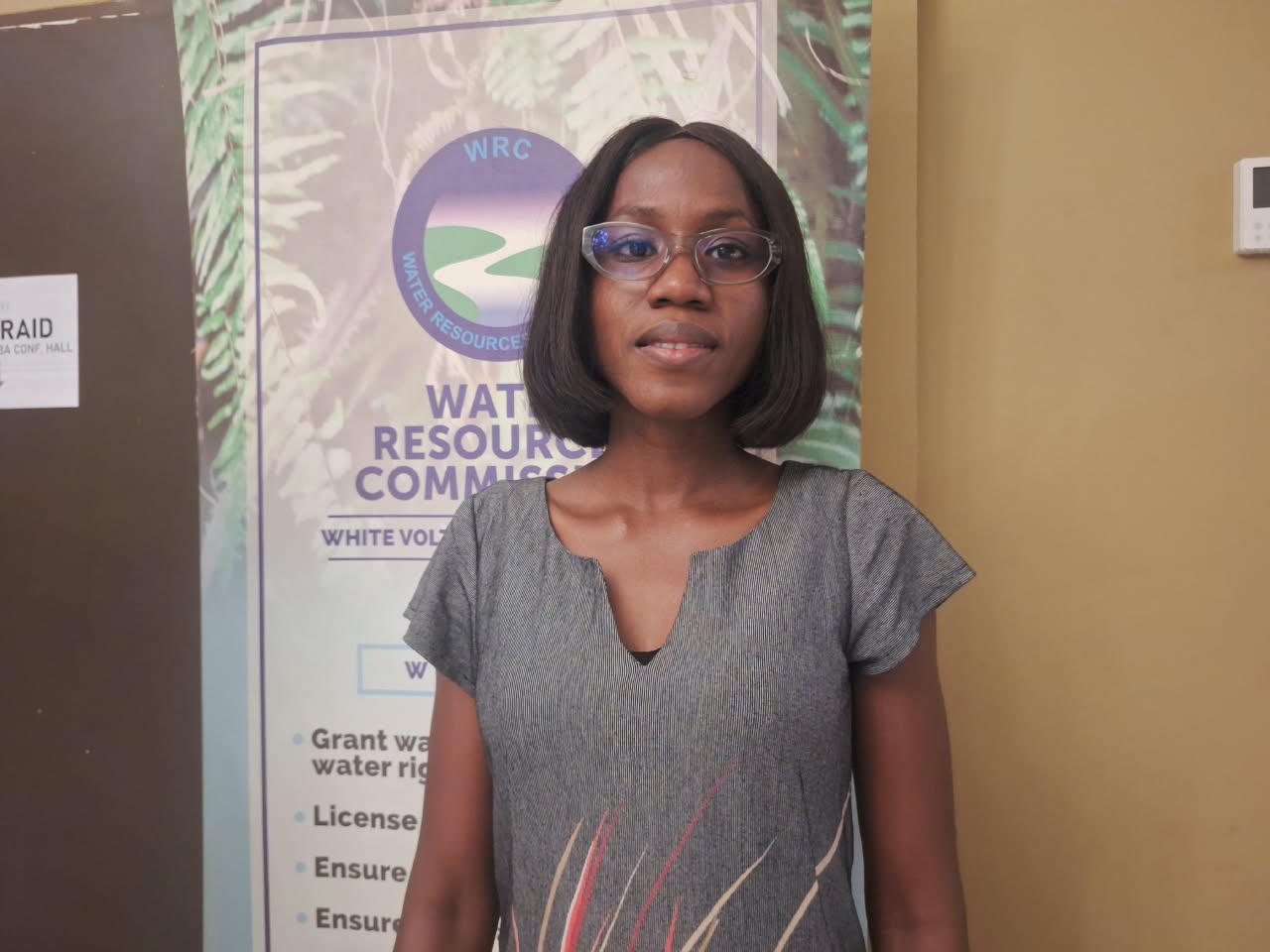
A Research Officer with the International Water Management Institute (IWMI), Mabel Kuma, has called for the integration of indigenous knowledge into groundwater monitoring systems to improve water resource management and ensure the sustainability of groundwater resources in the White Volta Basin
She said combining scientific data with the knowledge and experiences of local communities could help researchers better understand changes in groundwater conditions and develop more effective responses to water-related challenges
Ms Kuma made the call following discussions on a groundwater monitoring network developed for the White Volta Basin by the Water Resources Commission (WRC) and WaterAid
She commended the two organisations for the initiative, describing groundwater as an essential resource for communities within the basin
However, she observed that conventional groundwater monitoring systems often focus on quantitative data, potentially leaving out valuable information held by people who have lived in and interacted with their local environments for generations
“Usually, when it comes to data collection, they talk about the quantitative aspect, where we miss out on the local knowledge, the indigenous knowledge that actually influences the groundwater monitoring system,” she explained
Ms Kuma, whose areas of expertise include water resource management, hydrology, geographic information systems (GIS) and spatial mapping, said local knowledge could complement scientific measurements by providing additional explanations for observed changes in groundwater conditions
She said community members often possess practical knowledge and long-term experiences of their surroundings that could help researchers interpret the information gathered through monitoring activities
She therefore advocated incorporating qualitative data collection into the existing monitoring framework to ensure that community experiences are considered alongside technical and scientific evidence
According to her, such an approach would give researchers a more comprehensive understanding of groundwater systems and help improve decisions on their management
The proposal reflects a broader call for participatory approaches to water resource management, in which communities are not merely recipients of interventions but active contributors to the processes that shape decisions about their natural resources
Ms Kuma also commended the involvement of stakeholders with different professional backgrounds in developing the groundwater monitoring framework
She said the collaboration provided an opportunity for experts to share knowledge, contribute their respective areas of expertise and work towards a common solution to water management challenges in the basin
She noted that the initiative aligned with participatory approaches that emphasise co-design and co-creation, allowing stakeholders to jointly develop solutions informed by scientific evidence and community experiences
For her, bringing these different perspectives together could strengthen the monitoring framework and make it more responsive to the realities of communities that depend on groundwater
Beyond developing the monitoring network, Ms Kuma stressed the need for a clear commitment to its long-term implementation and sustainability
She cautioned against initiatives that bring stakeholders together to share ideas and recommendations but fail to translate those contributions into lasting action
She said sustained implementation would be essential to ensuring that the framework continues to support groundwater monitoring and management in the White Volta Basin
“We also hope for the sustainability of this particular framework, and the implementation of this should be sustainable, such that this is not going to be a one-time thing,” she said
Her remarks highlight the importance of moving beyond the development of monitoring systems to ensuring that they remain functional, useful and responsive to changing conditions over time
For communities that rely on groundwater for their daily needs and livelihoods, the inclusion of local knowledge could also help ensure that water management decisions reflect the experiences of the people most directly affected
Ultimately, Ms Kuma’s message is that sustainable groundwater management requires more than scientific measurements alone. It also depends on listening to communities, valuing their experiences and ensuring that collaboration among researchers, institutions and local people translates into lasting action
Source – gbcuraonline.com