UE/R: SOCO PROJECT FACILITATORS URGED TO WORK HARD FOR THE SUCCESS OF THE PROJECT – DCE NABDAM
By – Sadat Dabo
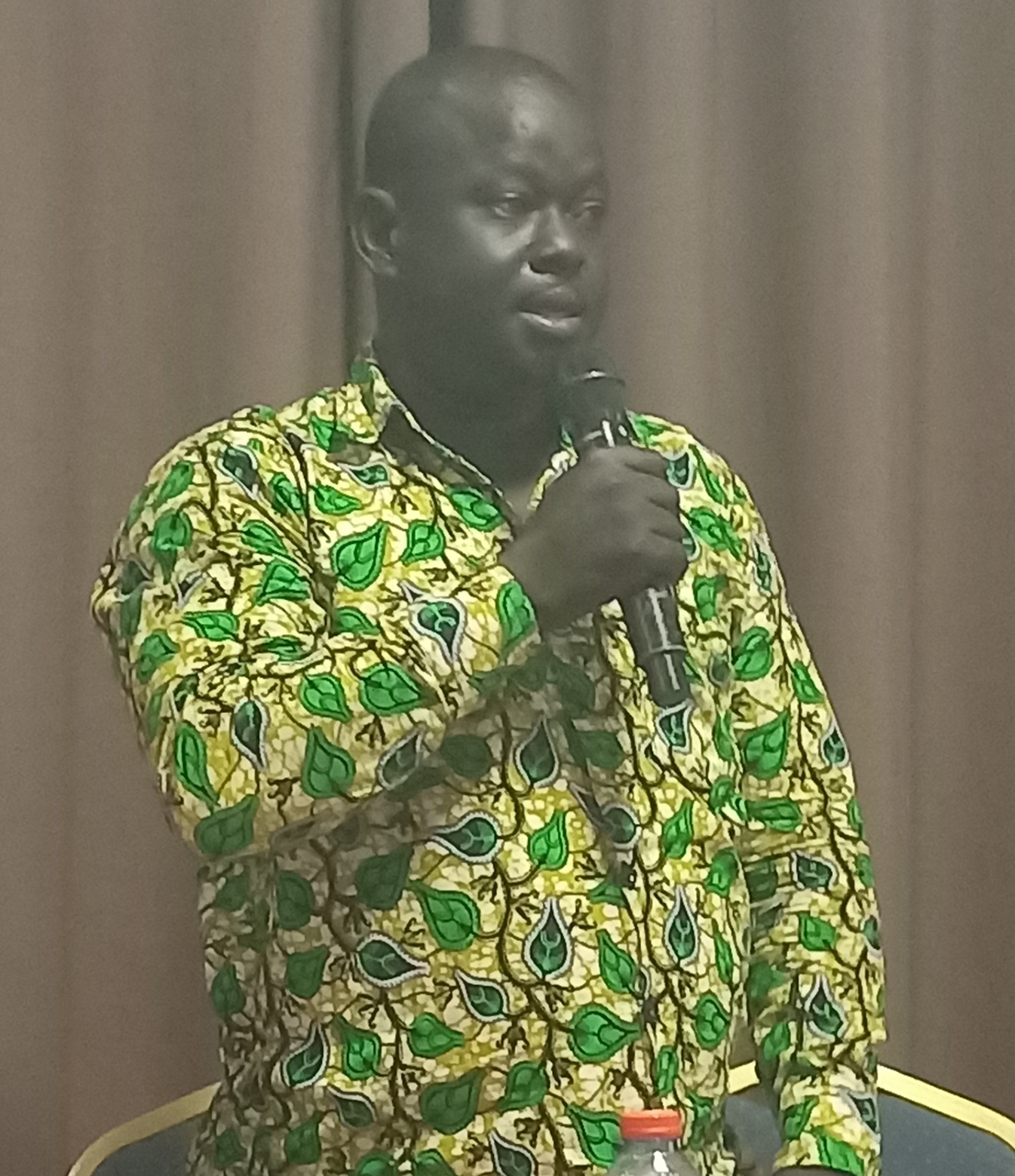
The Executive Director of the Forum for Natural Regeneration, FONAR,
Sumaila Siedu Saaka, is calling for greater attention to soil fertility and land restoration as part of efforts to manage the spread and impact of Striga in the Upper East Region
Scientific literature also supports an integrated approach that combines Striga management with improved land and soil fertility practices, including the use of non-host, nitrogen-fixing legumes in crop rotations
Research by the CSIR-Savanna Agricultural Research Institute has similarly identified soil fertility management and integrated Striga control as important areas for improving crop production in northern Ghana
The Executive Director of FONAR says combining soil restoration, improved farming practices and community action can help reduce the conditions that
favour Striga and contribute to more productive and resilient farmland in the Upper East Region
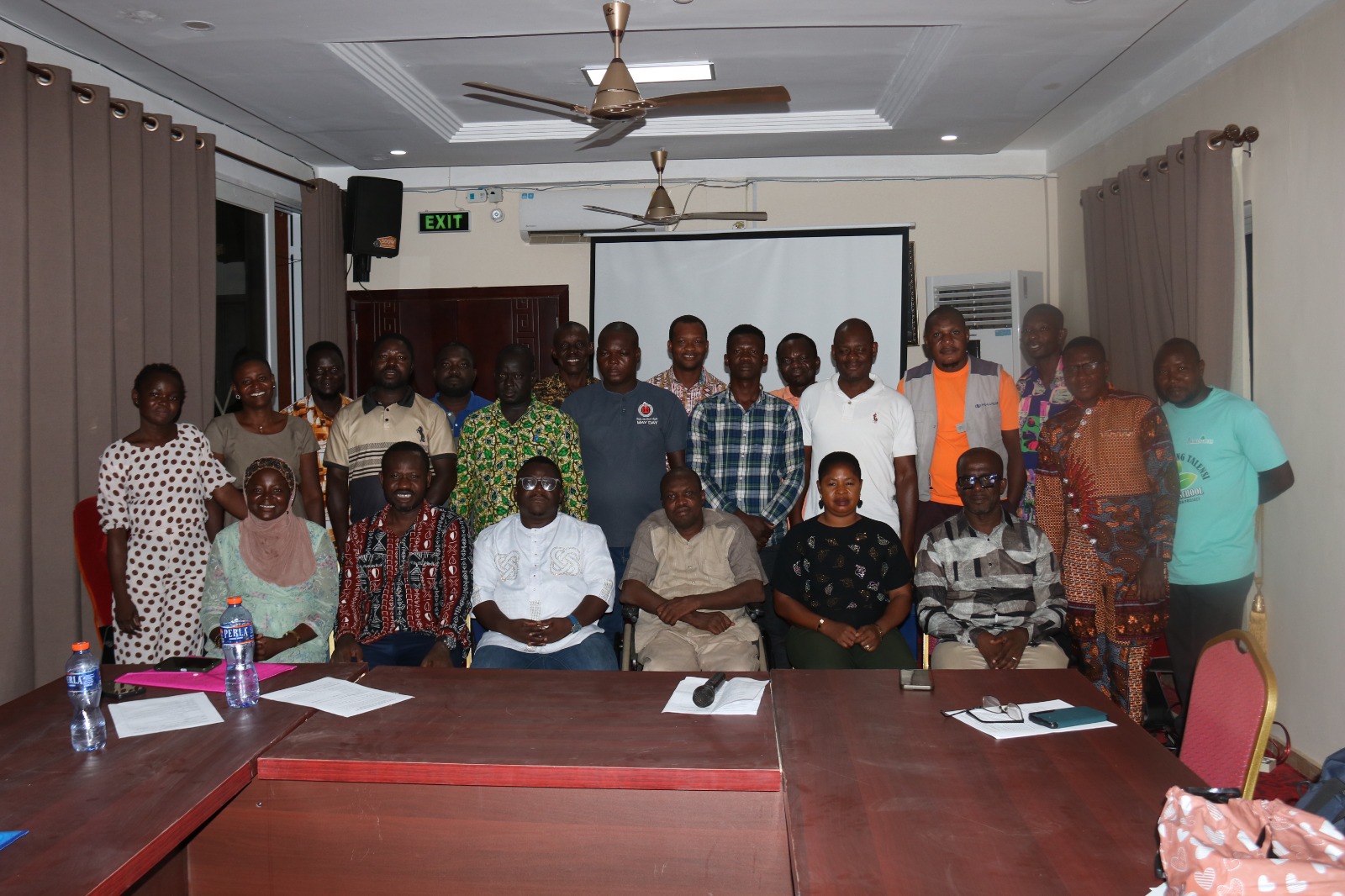
He made the call during a media engagement on Striga biology, land restoration and natural regeneration
approaches to Striga management. Sumaila Siedu Saaka explained that poor soil fertility can make cereal crops more vulnerable to Striga infestation
He said restoring soil health should therefore form part of an integrated approach to managing the parasitic weed
He noted that Striga is a root parasite that attaches itself to host crops,
including maize, sorghum and millet, and draws water and nutrients from them
Mr. Saaka said continuous cropping, declining soil organic matter, erosion and reduced soil biological activity can contribute to land degradation, making restoration of farmland an important part of the response
He is advocating practices including natural regeneration, agroforestry, crop rotation, cover cropping, mulching, composting and the proper application of fertiliser to improve soil health and support crop productivity
He explained that natural regeneration can help restore vegetation on farmland by protecting and managing naturally occurring trees and shrubs, rather than relying solely on planting new trees
He also encouraged farmers to use crop residues and tree prunings for composting and mulching, where
appropriate, to return organic matter to the soil
Mr. Saaka stressed, however, that there is no single solution to the Striga problem and called for farmers, communities, agricultural extension officers and other stakeholders to work together
He said community-wide action is
particularly important because Striga seeds can remain in the soil for
several years, meaning efforts by individual farmers can be undermined if neighbouring farms remain heavily infested
Source – gbcurainline.com