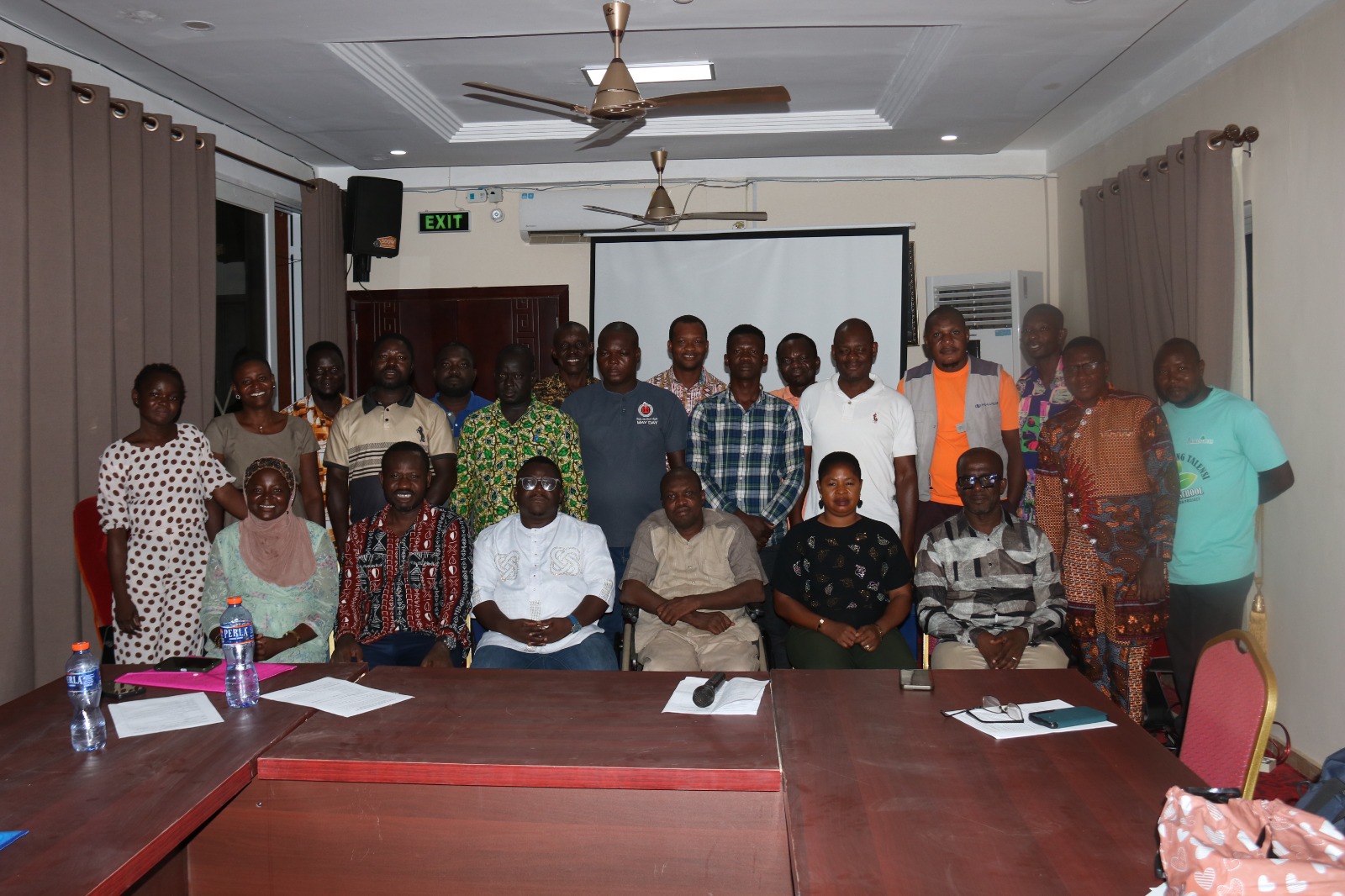
UE/R: SOCO PROJECT FACILITATORS URGED TO WORK HARD FOR THE SUCCESS OF THE PROJECT – DCE NABDAM
By – Prosper Adaakai
Farmers in the Upper East Region are being advised to intensify efforts to control Striga, commonly known as witchweed, a parasitic weed that attacks important cereal crops including maize, sorghum and millet
Research by Ghana’s Council for Scientific and Industrial Research indicates that Striga hermonthica is a major constraint to cereal production in northern Ghana, with severe infestations capable of causing substantial yield losses
Farmers are being urged to act
early against Striga by monitoring their fields and preventing the weed from producing seeds, as part of efforts to reduce its spread and protect cereal production in northern Ghana
According to the Food
and Agriculture Organization, Striga seeds can remain viable in the soil for many years, while a single plant can produce very large numbers of seeds, contributing to the persistence and spread of infestations.
Other recommended measures include the use of certified or clean planting materials, improving soil fertility, crop rotation and integrating non-host crops such as legumes into cropping systems
Research conducted by CSIR-Savanna Agricultural Research Institute has
found that crops such as soybean can help reduce the Striga seed bank
when used in rotation or association with cereal crops. Experts also
emphasise that no single intervention is sufficient in heavily infested areas, with integrated management approaches involving improved soil fertility, crop rotation, tolerant or resistant varieties and timely removal of Striga considered important components of control
Farmers are therefore being encouraged to regularly scout their fields and uproot Striga plants before they flower and produce seeds
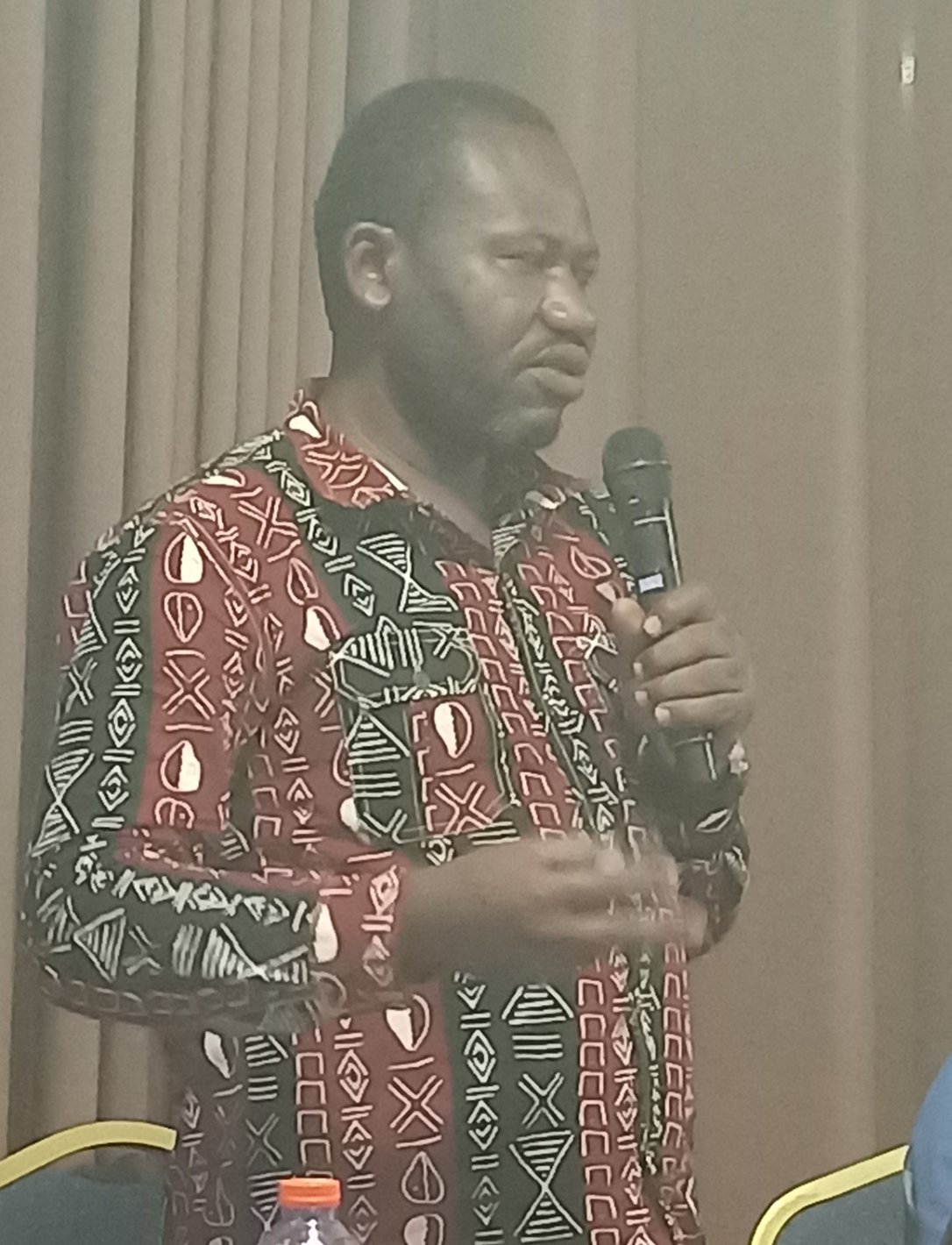
The advice was given during a technical briefing on Striga biology, agronomy and extension recommendations, led by Jamal-deen Ibrahim of the Department of Agriculture
He explained that Striga is a parasitic plant which attaches to the roots of host crops and obtains water and nutrients from them, thereby weakening the affected crop. Jamal-deen Ibrahim said one of the major challenges in controlling Striga is its ability to remain dormant in the soil for extended periods before suitable conditions and a host crop trigger germination
He identified wind, water, livestock, farm machinery, movement of contaminated soil and the use of infected farm-saved seeds as some of the ways Striga can spread from one field to another
Source – gbcuraonline.com