UE/R: SOCO PROJECT FACILITATORS URGED TO WORK HARD FOR THE SUCCESS OF THE PROJECT – DCE NABDAM
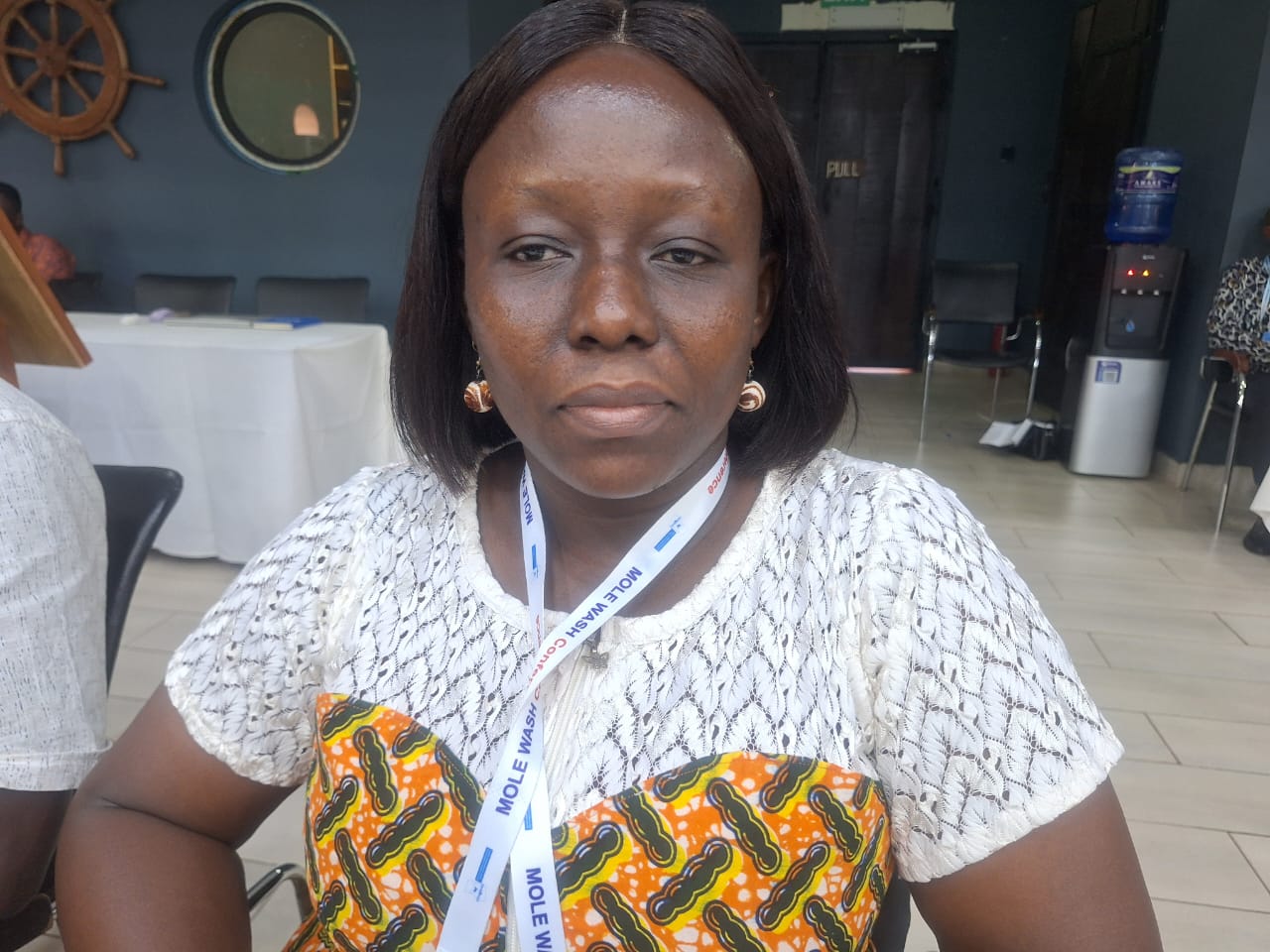
By – Gladys Apuweni
WaterAid Ghana has underscored the need to integrate Water, Sanitation and Hygiene (WASH) services into public health programmes to improve healthcare delivery, promote hygiene practices and strengthen climate resilience in health institutions, schools and communities
The Programme Manager for WASH for Public Health at WaterAid Ghana, Dr. Augustina D. Achigibah, said access to reliable water and improved sanitation facilities was essential to achieving positive public health outcomes, particularly in healthcare facilities and educational institutions
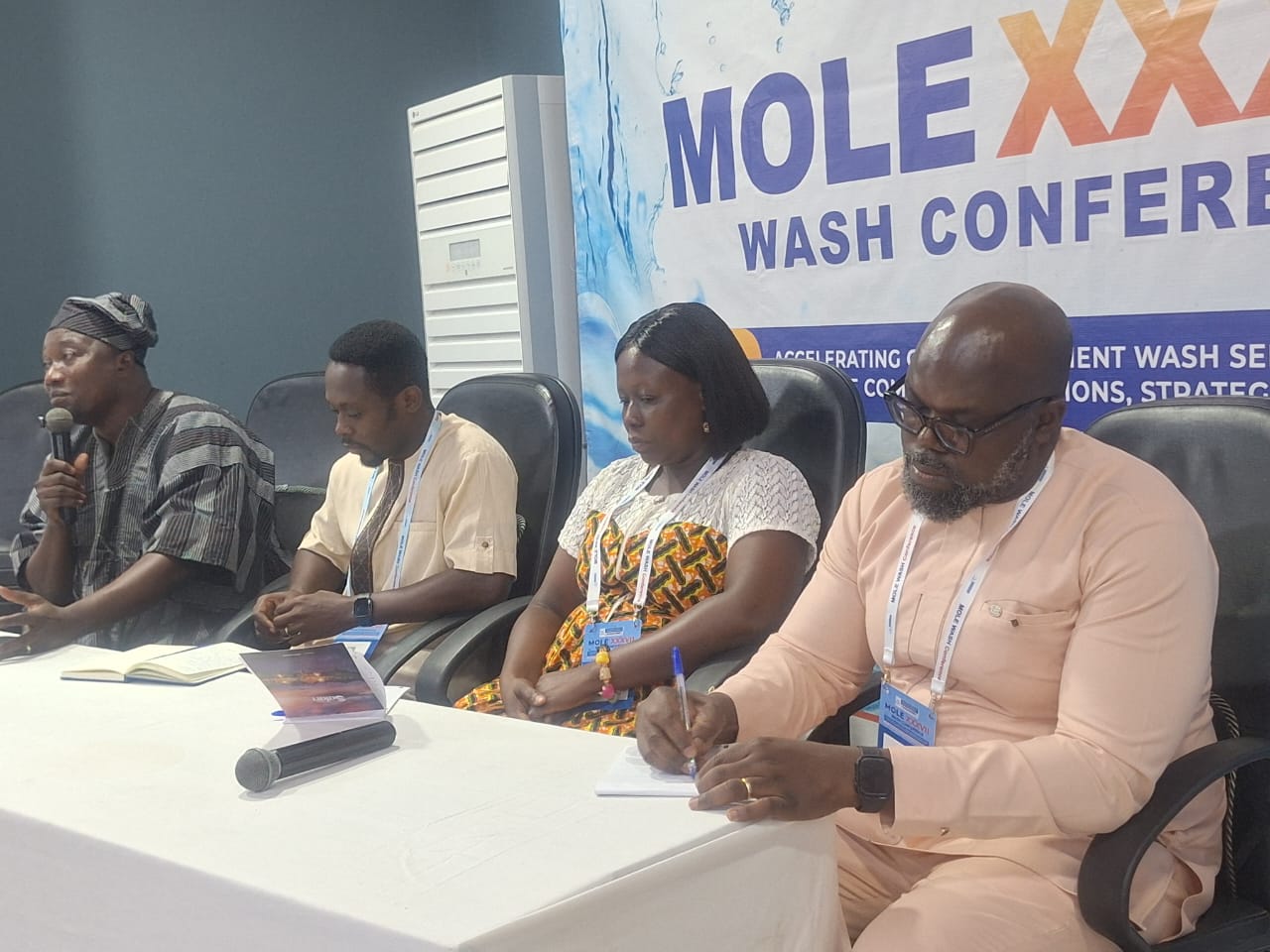
Speaking during an expert panel discussion under the sub theme, “Climate Resilient WASH in Institutions and Public Spaces,” Dr. Achigibah explained that WaterAid integrates WASH interventions into programmes such as Sexual and Reproductive Health and Rights (SRHR) and nutrition to ensure that health related initiatives are supported by the necessary water and sanitation infrastructure
She observed that several health facilities across districts have boreholes on their premises, but water is often not piped to critical service delivery points, including maternity units and outpatient departments. In some instances, healthcare workers are compelled to walk considerable distances to fetch water before providing services
To address the challenge, she said WaterAid supports the provision of solar mechanised boreholes and ensures water is connected to critical points of care, enabling nurses and other health professionals to observe infection prevention and control (IPC) standards while attending to patients
Dr. Achigibah added that similar interventions were being implemented in schools through projects that extend water supply from community standpipes to educational institutions, giving students access to safe drinking water and facilities for handwashing, particularly after using washrooms
She stressed, however, that providing infrastructure alone was not enough to guarantee sustainable WASH services, emphasising the importance of hygiene behaviour change at household and community levels
According to her, even when water from a borehole is tested and confirmed safe, contamination can occur during transportation and storage if proper hygiene practices are not observed
She said WaterAid therefore educates community members on hand hygiene, environmental cleanliness, safe water transportation and appropriate household water storage to minimise contamination and prevent diseases
Dr. Achigibah maintained that a holistic approach that combines reliable infrastructure with sustained hygiene education was necessary to ensure that safe hygiene practices extend beyond health facilities and schools into homes and communities
Source – gbcuraonline.com