UE/R: SOCO PROJECT FACILITATORS URGED TO WORK HARD FOR THE SUCCESS OF THE PROJECT – DCE NABDAM
By – Sadat Dabo
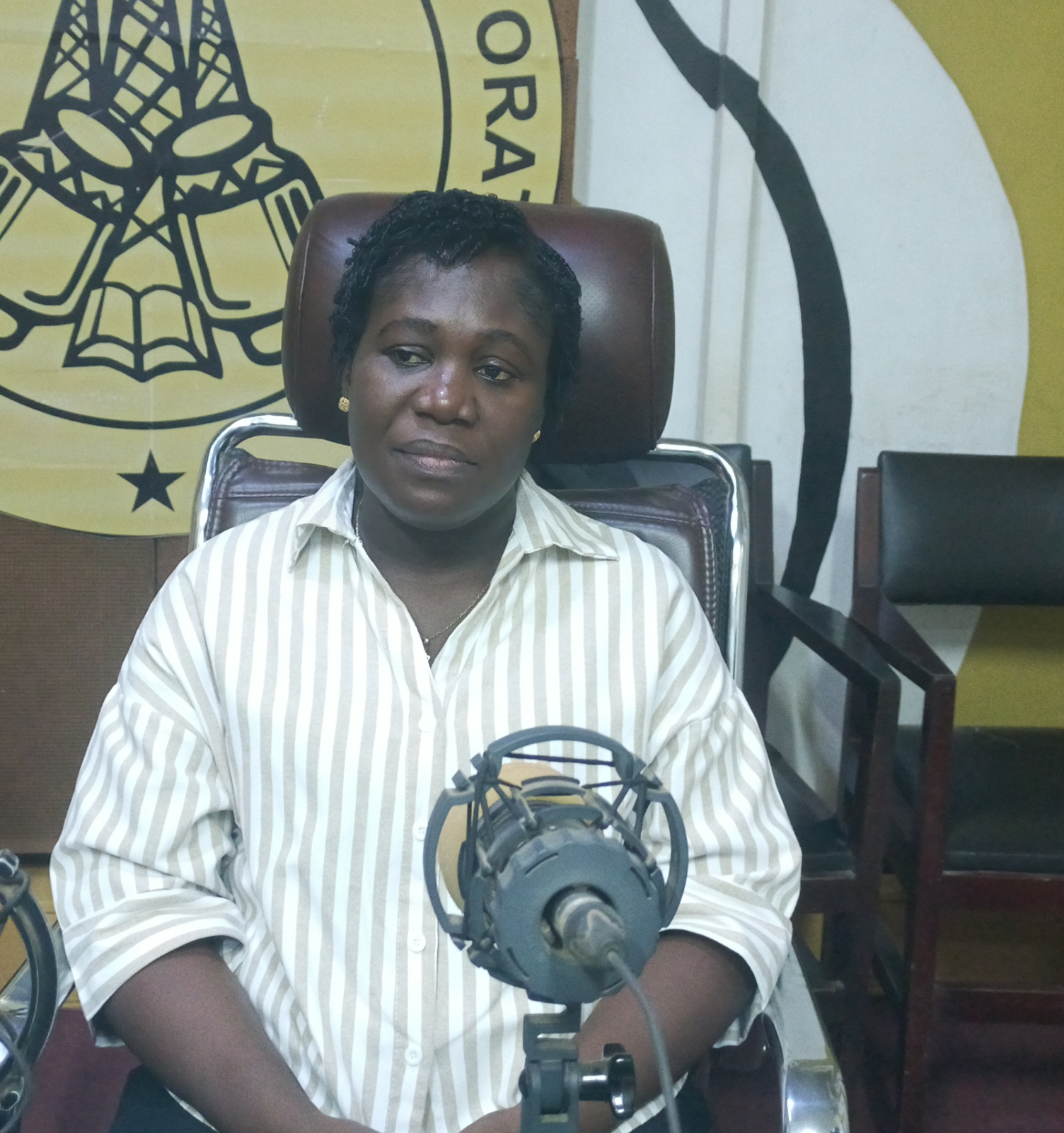
The Upper East Regional Mental Health Coordinator and addiction specialist, Gifty Aboagyewaa Polycarp, has challenged the widespread misconception that mental health conditions affect only people seen roaming the streets, warning that individuals who appear well-dressed and perform everyday activities may also be experiencing mental health challenges
She said mental health is an essential part of overall well-being and affects how people think, feel, behave, respond to stress and interact with others
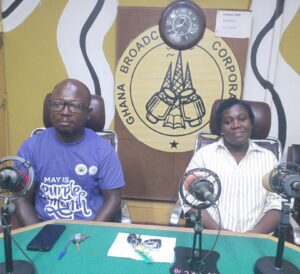
Speaking in an interview on URA SUNRISE on GBC URA Radio 89.7MHz in Bolgatanga on Thursday, October 15, 2026, as part of activities marking World Mental Health Day, she called for increased awareness, early intervention and an end to the stigma surrounding mental health conditions
World Mental Health Day was observed on Saturday, October 10, 2026, under the theme: “Lived Experiences Heard: Real Voices, Real Change.”
Polycarp was accompanied by Prince Kofi Yeboah, a registered mental health nurse at Bongo District Hospital.
Mental health goes beyond visible conditions
Polycarp explained that mental health encompasses psychological and emotional well-being and influences how individuals manage their daily responsibilities and respond to life’s challenges
According to her, difficulties with personal hygiene, emotional regulation, stress management and normal daily functioning may indicate that someone is experiencing mental health challenges and could need professional support
She stressed that mental health concerns should not be judged solely by a person’s physical appearance or social status
“Mental health begins from our homes, our communities, even the way we relate to people in our working places,” she explained, highlighting that mental health challenges can affect people across different backgrounds
She added that some individuals may continue dressing well and reporting to work while struggling to perform their usual duties because of personal difficulties or underlying mental health concerns
Marital problems, financial hardship and parenting can increase stress
The regional coordinator identified marital conflict, domestic abuse, parenting responsibilities, financial difficulties, unfavourable working conditions, stigma and discrimination as factors that can contribute to stress and affect mental well-being
She explained that raising children, meeting household expenses and balancing family responsibilities with work can place considerable pressure on individuals
Polycarp, however, emphasised that stress is a normal part of life and that the ability to manage it constructively is important
She encouraged people facing emotional and psychological difficulties to seek appropriate assistance rather than suffer in silence
Sudden behavioural changes may be warning signs
Prince Kofi Yeboah a registered mental health nurse at Bongo District Hospital urged families and community members to pay attention to significant changes in the behaviour of people they know

He identified persistent sleep difficulties, unusual irritability, aggression, withdrawal from social activities, loss of appetite and difficulties carrying out normal responsibilities as possible warning signs that a person may need support
He also mentioned experiences such as hearing voices or developing persistent suspicions about other people as concerns that may require professional assessment
Yeboah cautioned, however, that behaviour must be understood within its context, noting that a person becoming angry in a particular situation does not automatically mean they have a mental health condition
He explained that repeated or significant behavioural changes, particularly when they interfere with daily life and relationships, should not be ignored
Listen without judging – Families urged to offer support
Polycarp encouraged relatives, friends and neighbours to approach people experiencing emotional or behavioural difficulties with compassion rather than hostility or ridicule
She advised families to initiate respectful conversations, ask whether something is troubling the individual and offer support where possible
According to her, listening without judgment can help people feel comfortable enough to discuss their experiences and seek assistance
She also emphasised that people who have lived with mental health conditions possess valuable knowledge about their experiences and should be given opportunities to speak and be heard
The coordinator called on the media to make mental health education a regular feature of their programmes, even if only for a few minutes during broadcasts
She expressed appreciation to GBC URA Radio for providing a platform for mental health education and encouraged other media organisations to contribute to public awareness
Addiction specialist raises concern over adolescent mental health
Mr. Yeboah called for urgent collective action to address mental health challenges among adolescents, warning that young people face growing pressures that can affect their safety, education and future prospects
He referred to a media report about a 14-year-old girl who reportedly set herself ablaze following a family dispute over a relationship, stressing the need for families and communities to pay closer attention to the emotional well-being of young people
He also raised concerns about substance use among children and adolescents in the region, warning that it could undermine their academic performance and development
“Without them, we do not have any future,” he said, referring to adolescents and emphasising the importance of protecting their mental health
He urged parents, teachers, health professionals, community leaders and other stakeholders to work together to identify challenges early and ensure young people receive the support they need
A call to end stigma and encourage early help-seeking
The interview reinforced the importance of recognising mental health as an integral part of overall health rather than a condition to be associated with shame or discrimination
The two mental health professionals encouraged individuals experiencing persistent emotional or psychological difficulties, as well as families concerned about significant behavioural changes, to seek guidance from qualified health professionals
Mental health challenges can affect people from all walks of life, and early support, compassionate listening and professional care can make a difference
As Ghana continues to promote mental health awareness, families and communities are being urged to move beyond stereotypes, listen to people with lived experiences and create environments where seeking help is accepted rather than condemned
Source – gbcuraonline.com