UE/R: SOCO PROJECT FACILITATORS URGED TO WORK HARD FOR THE SUCCESS OF THE PROJECT – DCE NABDAM
By – Gladys Apuweni
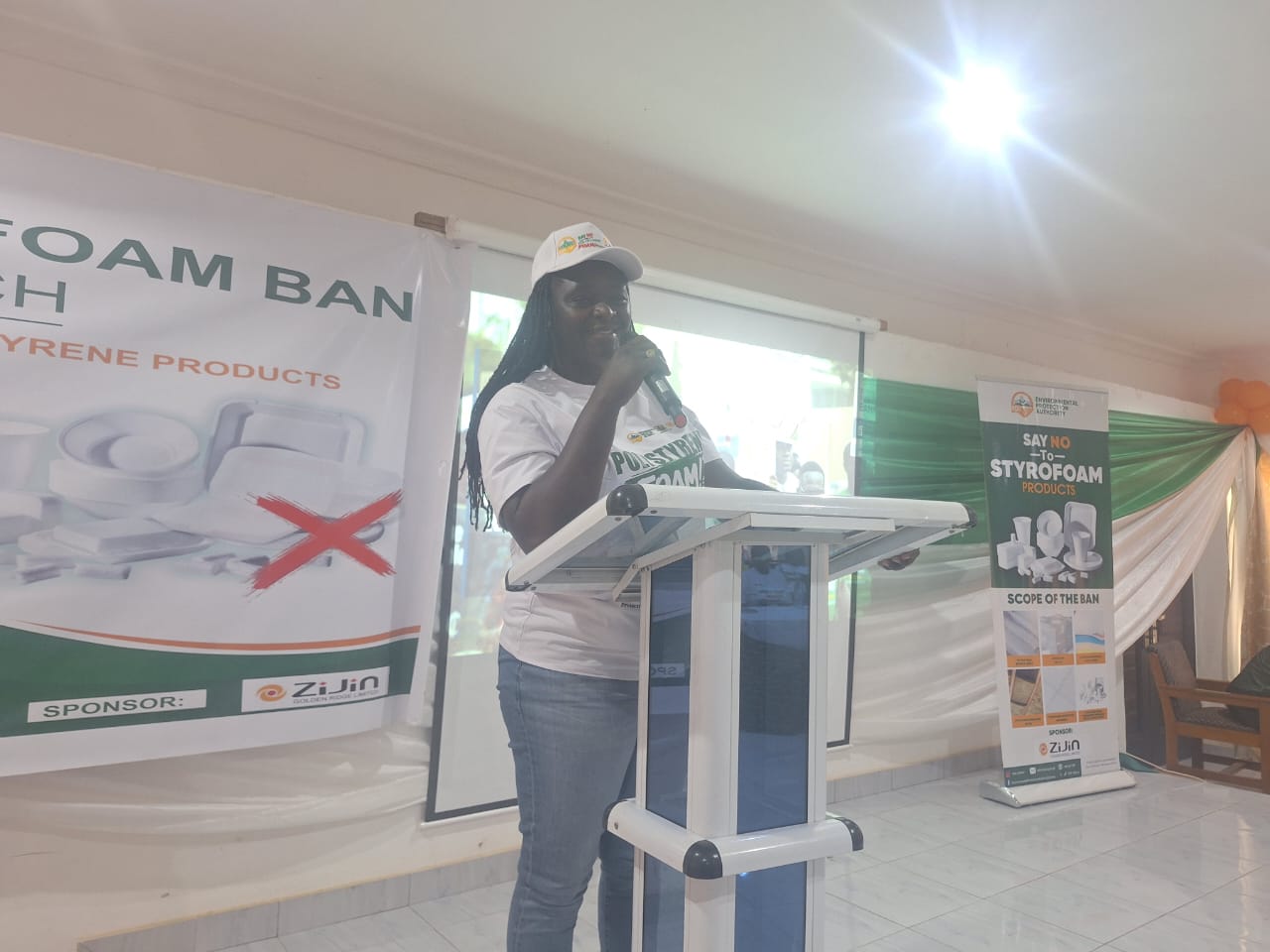
The Environmental Protection Authority (EPA) has intensified public education on the impending nationwide ban on styrofoam and polystyrene foam products, urging residents, businesses and other stakeholders in the Upper East Region to prepare for its implementation on January 1, 2027
The ban, which covers the production, importation, distribution, sale and use of the products for commercial and domestic purposes, forms part of efforts to address environmental pollution, protect public health and promote sustainable waste management practices across the country
Speaking during an awareness creation engagement in the Upper East Region, Professor Ama Browne Kletse, the Chief Executive Officer of EPA, said the initiative required the collective commitment of all Ghanaians to achieve its intended objectives
She explained that the Authority had been engaging stakeholders across various regions to ensure the public understood the reasons for the ban, the products affected and the need to adopt environmentally friendly alternatives
Professor Browne noted that styrofoam food containers could expose consumers to potentially harmful chemicals, particularly when used under unsuitable conditions, while the burning of discarded products could release harmful smoke that poses respiratory health risks
She added that the improper disposal of the materials contributed to blocked drains, flooding and pollution of water bodies, while their use in certain building and packaging applications also raised fire safety concerns because of their highly flammable nature
According to her, the campaign would require the cooperation of state institutions, food vendors, market associations, hospitality operators, distributors, retailers and the general public to ensure effective compliance
Professor Browne said the EPA had already engaged several stakeholder groups, including hospitality operators, community leaders and the media, as part of efforts to broaden public understanding of the policy
She warned that enforcement would begin when the ban takes effect, adding that products found in circulation in violation of the applicable requirements could be confiscated and safely disposed of by the relevant authorities
The Upper East Regional Minister, Hon. Donatus Atanga Akamugri, commended the EPA for leading the national initiative, describing it as an important intervention to protect public health and the environment
In his address, he said the widespread use and improper disposal of styrofoam takeaway packaging contributed significantly to environmental pollution, blocked drainage systems and degraded communities and water bodies, thereby undermining sanitation efforts
He called for sustained public education, effective coordination among relevant institutions, responsible consumer behaviour and the adoption of affordable, practical and environmentally sustainable alternatives
The Regional Minister further urged food vendors, market associations, hospitality operators and retailers to familiarise themselves with the requirements of the ban and prepare to transition to suitable alternatives

He emphasised that environmental protection must go hand in hand with the protection of livelihoods, urging authorities to listen to the concerns of affected businesses and support their adjustment to more sustainable practices
Hon. Atanga Akamugri also called on municipal and district assemblies, traditional authorities, security agencies, educational institutions, civil society organisations and the media to support public education and the effective implementation of the policy
He reaffirmed the Upper East Regional Coordinating Council’s commitment to environmental sustainability, improved sanitation and public health, encouraging stakeholders to intensify community education and strengthen waste management practices
The EPA’s awareness campaign forms part of broader national efforts to reduce pollution associated with single use packaging and encourage responsible consumption and disposal practices.
With the January 1, 2027 deadline approaching, stakeholders are expected to increase public awareness and prepare for the transition to alternatives that protect both the environment and public health
Source – gbcuraonline.com