UE/R: SOCO PROJECT FACILITATORS URGED TO WORK HARD FOR THE SUCCESS OF THE PROJECT – DCE NABDAM
By – Sadat Dabo
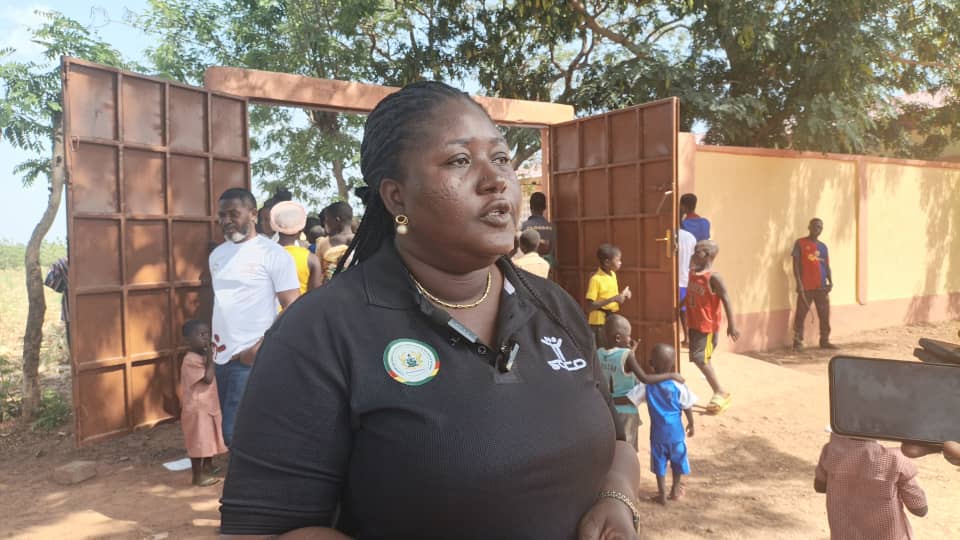
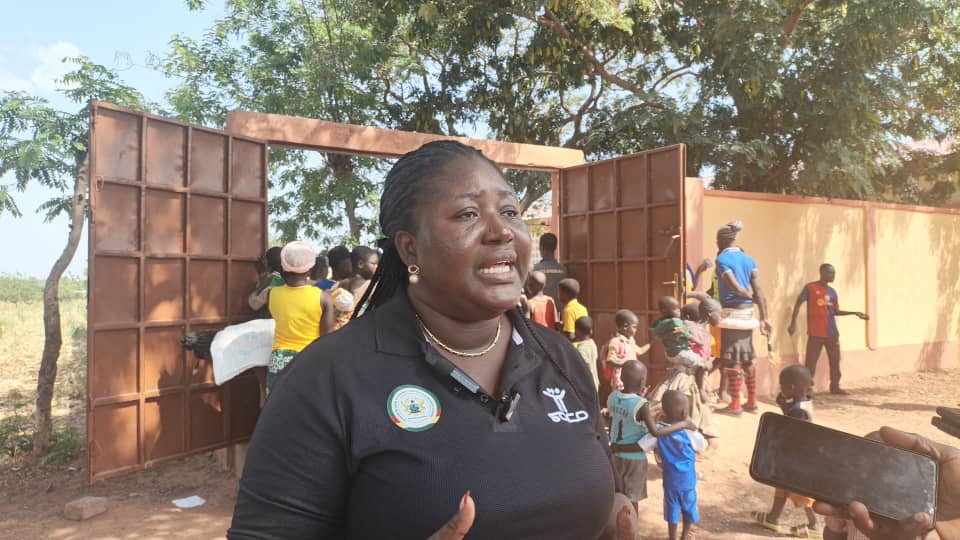
The National Coordinator of the Gulf of Guinea Northern Regions Social Cohesion (SOCO) Project in Ghana, Elizabeth Ohenewah Agyei, has called for stronger community empowerment as a critical strategy for preventing violent extremism and reducing the spillover of conflict from the Sahel
She cautioned that while countries may invest heavily in security, empowering communities to participate in development and take ownership of local challenges remains essential to sustaining peace and security
“The spillover of conflict from the Sahel is real. And one of the things that we keep forgetting is that we may spend a lot on security, but there can be no better security than the community themselves,” she said
Madam Agyei made the remarks on Thursday, October 29, 2026, after Ghana’s SOCO delegation visited beneficiary communities in Togo to study project implementation and exchange practical lessons during a four-day Ghana–Togo exchange programme
Communities are the first line of defence
According to the Ghana SOCO National Coordinator, communities that feel included, heard and satisfied with development interventions are better positioned to support early-warning systems, protect their localities and help prevent extremist activities from taking root
“When the communities are satisfied, when they feel that they are being heard, they would be your best bet in terms of early warning. They will be your best bet in terms of maintaining security within their own enclave,” she said
She added that communities themselves are well placed to push back against extremist activities that may emerge within their areas
Her comments underline the importance of linking development interventions to social cohesion, community participation and local ownership, particularly in areas vulnerable to the effects of insecurity in the Sahel.
Ghana team interacts with SOCO beneficiaries in Togo
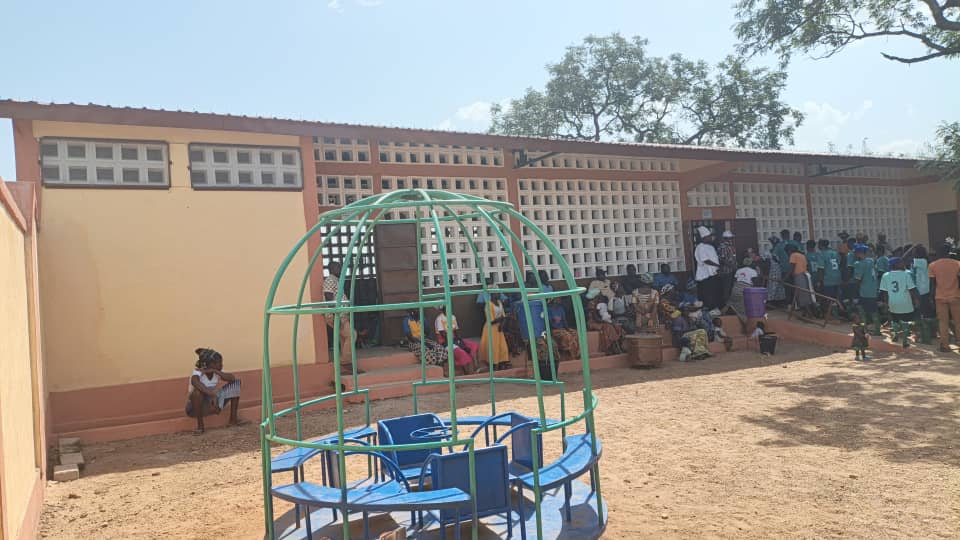
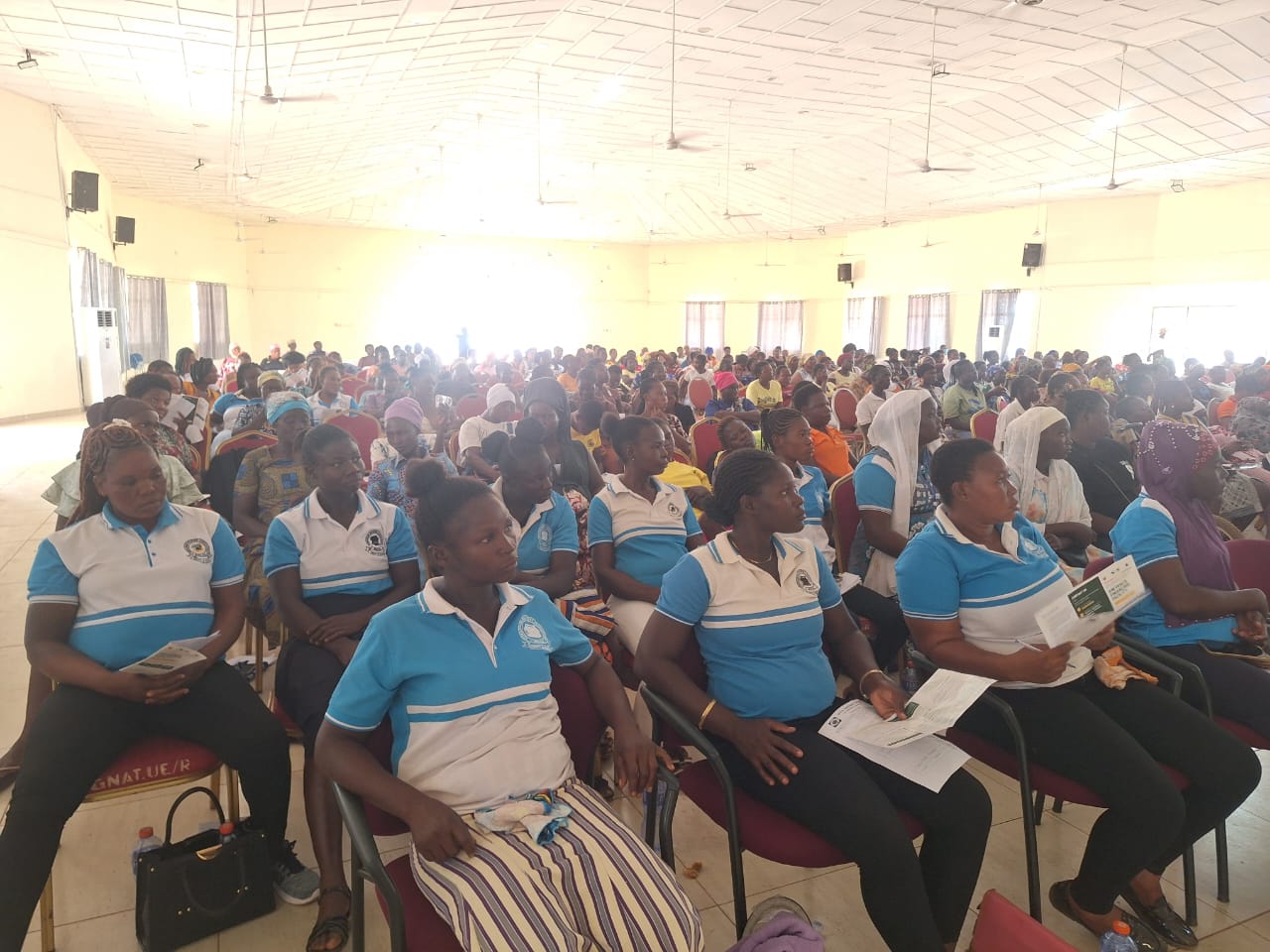
As part of the exchange programme, the Ghanaian delegation visited Tambimongue and Tolong communities in the Mamproug/Canton cluster of Tandjoare 2 Municipality in Togo’s Savanes Region
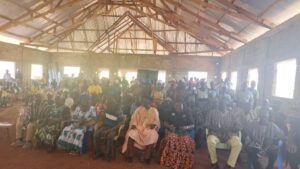
The team interacted with community members and beneficiaries to understand how SOCO-supported projects were being implemented and how communities were involved in identifying and prioritising their development needs
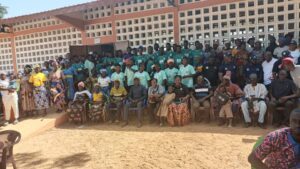
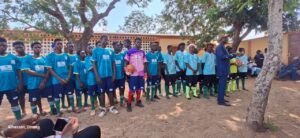
The Ghanaian delegation was led by Madam Agyei, alongside the Upper East and North East zonal coordinators and other SOCO officials
The Togolese delegation included the country’s SOCO National Coordinator, Lare Dindiogue, Mayor of Tandjoare 2 Municipality; Kolani Bassoming, Assemblyman for Tambimongue; and other SOCO officials
Reflecting on the four-day engagement, Madam Agyei described the experience in Togo as valuable, particularly in understanding how the community-driven development (CDD) approach operates in practice
She said that although the four participating countries use their respective national systems and standards to implement the project, community involvement remains a common principle
“One thing is clear: the communities are involved, everybody is included, everybody is consulted,” she noted
She stressed that projects must reflect the priorities of beneficiary communities rather than being imposed on them by implementing institutions
According to her, this approach improves sustainability because communities develop a stronger sense of ownership over the projects
“No country can fail” — Agyei urges collective responsibility
Madam Agyei also reminded the four countries implementing SOCO that the success of the regional initiative depends on each country fulfilling its responsibilities
Ghana, Togo, Benin and Côte d’Ivoire are implementing the project under a shared objective of strengthening social cohesion and supporting development in vulnerable communities
“My impression has been simple. We are working in four countries, and everybody may think that Ghana is doing their own thing, Togo is doing their own thing, Benin is doing, Ivory Coast is doing, but no country can fail,” she said
She explained that failure by any participating country to implement its component effectively could undermine the broader regional goal
“We have a big responsibility, collectively and most especially individually, for you not to be the one who is letting the others down,” she added
She said Ghana remained committed to delivering its part of the project despite implementation challenges
Ghana to learn from Togo’s climate-resilient school designs
The exchange also provided an opportunity for Ghana’s SOCO team to identify practical lessons from Togo’s infrastructure projects, particularly in the construction of schools and childcare facilities
Madam Agyei said one notable observation was the positioning of classroom blocks to allow ventilation while limiting direct exposure to sunshine
She explained that classroom orientation could help keep learning spaces cooler for pupils, complementing the use of windows and other ventilation features
Although Ghana and Togo follow their respective national standards, she said Ghana could consider incorporating relevant lessons from Togo’s approach to improve sustainability and climate resilience in future projects
The delegation also examined Togo’s support for community football clubs through the provision of playing kits and uniforms
Madam Agyei said Ghana had supported community football clubs, particularly in northern communities, mainly by encouraging and sponsoring tournaments. She indicated that providing more kits could be another practical way to strengthen such initiatives
About the SOCO Project
The Gulf of Guinea Northern Regions Social Cohesion Project is a regional initiative aimed at strengthening social cohesion and supporting development in vulnerable northern areas of participating countries
In 2022, the World Bank allocated a total of US$450 million in original financing to the four countries: Ghana received US$150 million, Côte d’Ivoire US$150 million, Togo US$75 million and Benin US$75 million
On June 25, 2026, the World Bank approved an additional US$163 million for Benin, Côte d’Ivoire and Togo. The additional financing comprised US$56.5 million for Benin, US$30 million for Côte d’Ivoire and US$76.5 million for Togo. Ghana was not included in that additional financing announcement
The Ghana–Togo exchange programme was intended to enable the two country teams to share experiences, examine project implementation and identify lessons that could improve community development, sustainability and social cohesion
Madam Agyei’s message at the end of the visit was clear: beyond infrastructure and security investments, empowering communities to identify their needs, participate in development and protect their localities is central to building resilience against conflict and violent extremism
Source – gbcuraonline.com