UE/R: SOCO PROJECT FACILITATORS URGED TO WORK HARD FOR THE SUCCESS OF THE PROJECT – DCE NABDAM
Gladys Apuweni
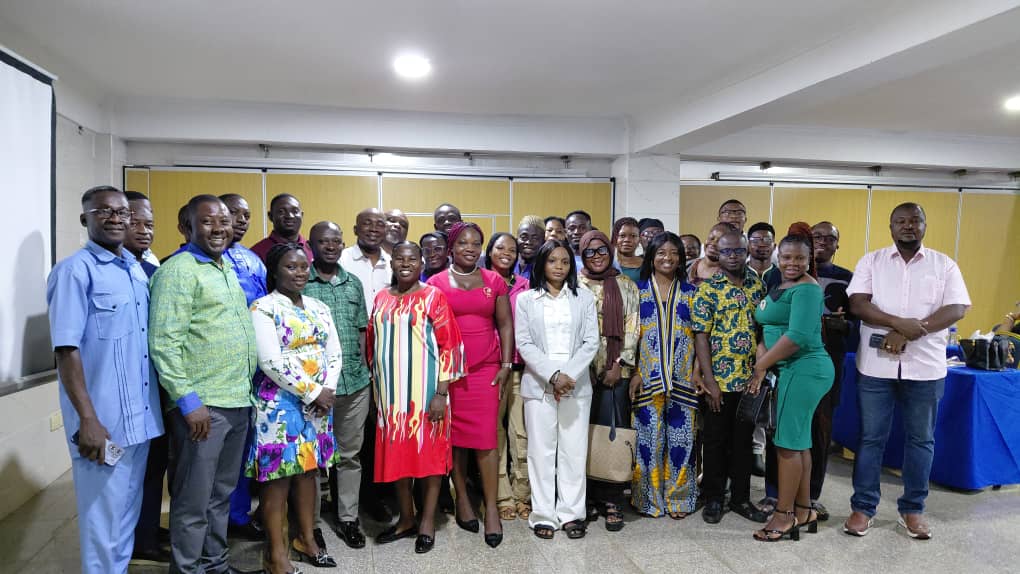
Journalists from the Northern and Bono Sector of Ghana have undergone a two day capacity building workshop on Public Financial Management (PFM) and Fiscal Decentralisation aimed at strengthening media oversight, accountability, and evidence based reporting on public finances.
The workshop, held from Monday, June 22 to Tuesday, June 23, 2026, at Sunset Hotel in Kumasi, was organized by the German Development Cooperation (GIZ) in partnership with the Media Foundation for West Africa (MFWA) under the Participation, Accountability and Integrity for a Resilient Democracy (PAIReD) Programme.
The training brought together selected media practitioners from the Upper East, Upper West, North East, Northern, Savannah, Bono, Bono East and Ahafo Regions to enhance their understanding of public financial management systems and equip them with practical skills to monitor public expenditure and promote accountability in governance.
Facilitating the workshop was Professor Godfred A. Bopkin, an Economist and Lecturer at the University of Ghana, Legon, who took participants through key concepts and practical approaches to budget analysis and fiscal decentralisation.
During the training, participants were introduced to the Budget Analysis Framework, focusing on three key areas: Revenue Analysis, Expenditure Analysis, and Variance Analysis. Professor Bopkin explained how journalists can systematically examine revenue sources, including Internally Generated Funds (IGF), District Assemblies Common Fund (DACF), grants, fees, and other inflows to assess performance trends, sustainability, and accountability.
He further highlighted methods for analysing public expenditure by examining spending patterns across sectors and programmes, identifying inefficiencies, waste, and cost overruns, while assessing whether expenditure aligns with development priorities and approved plans.
The facilitator also guided participants through variance analysis, a process that compares budgeted figures with actual performance to identify deviations, understand reasons for underperformance or overspending, and support informed public discourse on government spending.
Professor Bopkin emphasized that the media plays a critical role in promoting transparency and accountability by scrutinising public budgets and expenditures and translating complex financial information into understandable reports for citizens.
Participants were also taken through practical exercises using national budget data, enabling them to develop skills in tracking government spending, analysing budget performance, and producing investigative stories that can influence policy decisions and improve public service delivery.
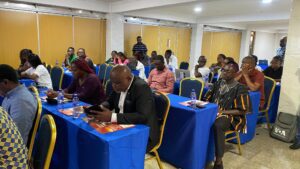
Speaking during the workshop, organizers noted that gaps in oversight and accountability often contribute to the misuse of public resources and weak service delivery. They stressed that empowering journalists with knowledge of public financial management would strengthen public interest reporting and enhance citizen participation in governance.
The training forms part of broader efforts under the PAIReD Programme, commissioned by Germany’s Federal Ministry for Economic Cooperation and Development (BMZ), co financed by the European Union and the Swiss State Secretariat for Economic Affairs (SECO), and implemented by GIZ in collaboration with Ghana’s Ministry of Finance.
Participants expressed appreciation to the organizers for the opportunity, describing the workshop as timely and insightful. They pledged to apply the knowledge gained to produce impactful stories that promote transparency, accountability, and prudent management of public resources across their respective regions.