UE/R: SOCO PROJECT FACILITATORS URGED TO WORK HARD FOR THE SUCCESS OF THE PROJECT – DCE NABDAM
By – Sadat Dabo
As communities along the Ghana–Togo border continue to grapple with common development challenges, insecurity and limited access to essential services, Ghana and Togo are strengthening cross-border cooperation through the Gulf of Guinea Northern Regions Social Cohesion (SOCO) Project
The two countries have renewed their commitment to working together to improve livelihoods, promote peaceful coexistence and build resilient border communities following a four-day joint working session held from Tuesday, October 27, to Friday, October 30, 2026
The engagement brought together SOCO Project implementation teams from Ghana and Togo to review progress, exchange experiences, examine implementation challenges and identify practical lessons that could improve the delivery and sustainability of development interventions in both countries
Rather than limiting the discussions to conference rooms, the exchange took the participating delegations into beneficiary communities, providing an opportunity to interact directly with traditional authorities, local leaders, traders and other beneficiaries of SOCO-supported projects
Shared borders, shared challenges and a common responsibility
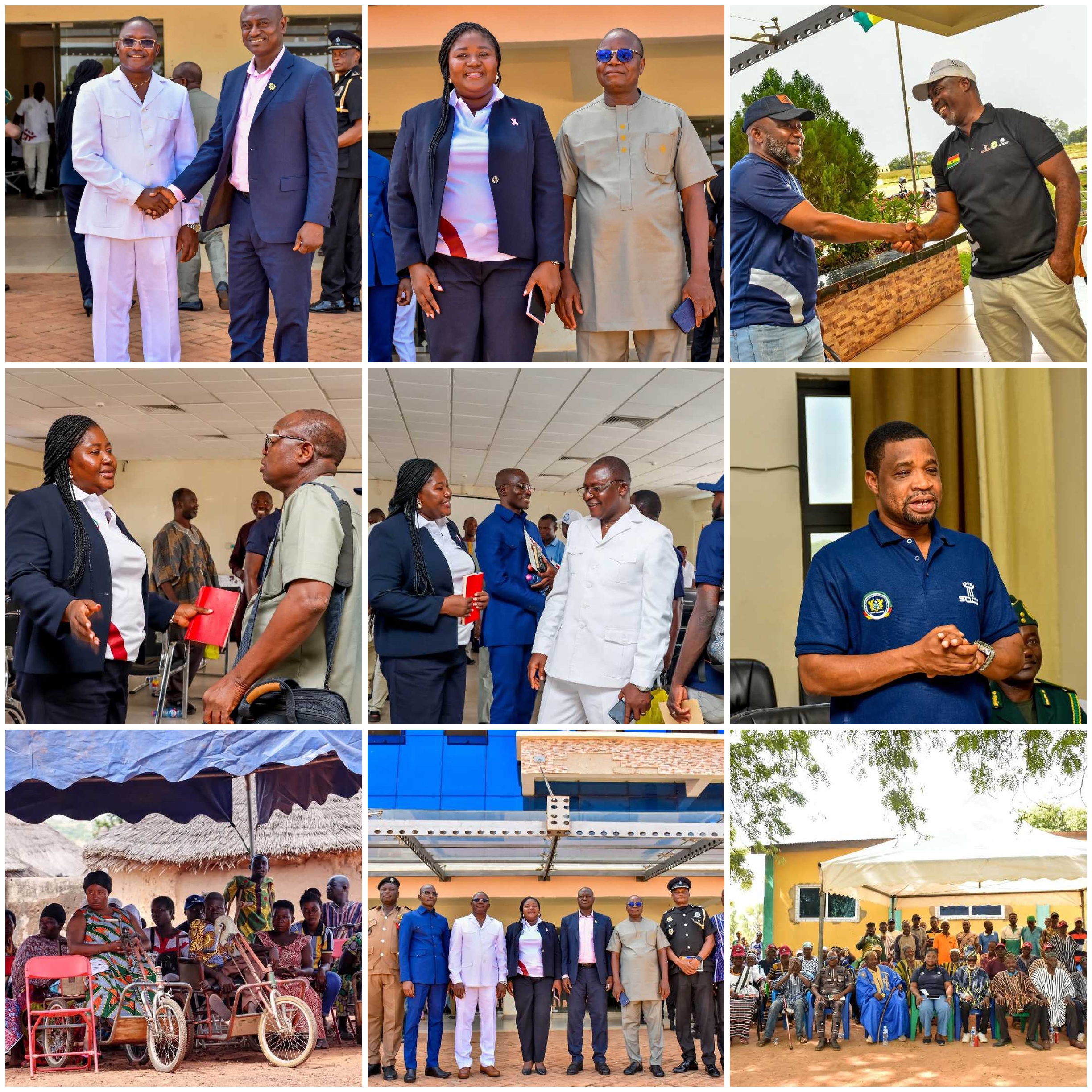
The four-day engagement officially commenced on Tuesday, October 27, at the North East Regional Coordinating Council (RCC) in Nalerigu, Ghana
The opening ceremony was graced by the North East Regional Minister, Ibrahim Tia, who highlighted the longstanding family, cultural and trading relationships between communities along the Ghana–Togo border
He observed that although these communities share economic opportunities and deep social connections, they also face similar challenges, including insecurity, inadequate access to basic social services and the potential threat of conflict spilling over from the Sahel region
The Minister called on both countries to ensure that investments under the SOCO Project translate into tangible benefits for border communities, particularly by strengthening livelihoods, improving living conditions and safeguarding the peace that communities have enjoyed over the years
He emphasised the importance of cooperation between neighbouring countries in addressing development and security challenges that do not recognise geographical boundaries
The opening ceremony was attended by Togo’s Regional Minister for Tandjouare, Agbante Oukoura; Ghana’s National SOCO Project Coordinator, Elizabeth Ohenewah Agyei; and Togo’s National SOCO Project Coordinator, Dametougle Totetiebe
Also present were Alhassan Osman, Community-Driven Development and Capacity Building Specialist at the SOCO Project in Ghana, and Samuel Larbi Agyarko, Upper East and North East Zonal Coordinator of the Project
The Municipal Chief Executive for West Mamprusi, Mohammed Rabiu Jabaah, delivered the closing remarks at the opening ceremony
Security officials and staff members of the SOCO Project from both Ghana and Togo also participated in the engagement, underscoring the importance of development and security collaboration in border areas
Taking the conversation from conference rooms to communities
On Wednesday, October 28, the second day of the exchange programme, the delegations moved from Nalerigu into the communities of Nakpanduri and Bimbagu in the Bunkprugu District of the North East Region of in Ghana
The community engagements provided an opportunity for the Ghanaian and Togolese teams to listen to traditional authorities, local stakeholders and beneficiaries about their experiences, the impact of SOCO interventions and the challenges confronting border communities
Discussions focused on cross-border trade, economic activities, livelihoods, access to basic services and the need to sustain peaceful relationships among communities whose families, markets and social networks extend beyond national boundaries
The delegations also visited SOCO-supported market infrastructure in the communities to assess how the investments are improving trading activities and creating opportunities for local economic development
For many beneficiaries, the market facilities represent more than physical infrastructure. They provide opportunities for traders, particularly women, to improve their businesses, increase their economic activities and contribute to household livelihoods
The interactions also highlighted the importance of community participation and local ownership in ensuring that development projects remain functional and beneficial long after their construction
The engagements reflected the broader objective of Component 3 of the SOCO Project, which seeks to strengthen cooperation between neighbouring countries and border communities in addressing shared development and security concerns, including conflict and violent extremism
Ghanaian delegation learns from Togo’s SOCO experience
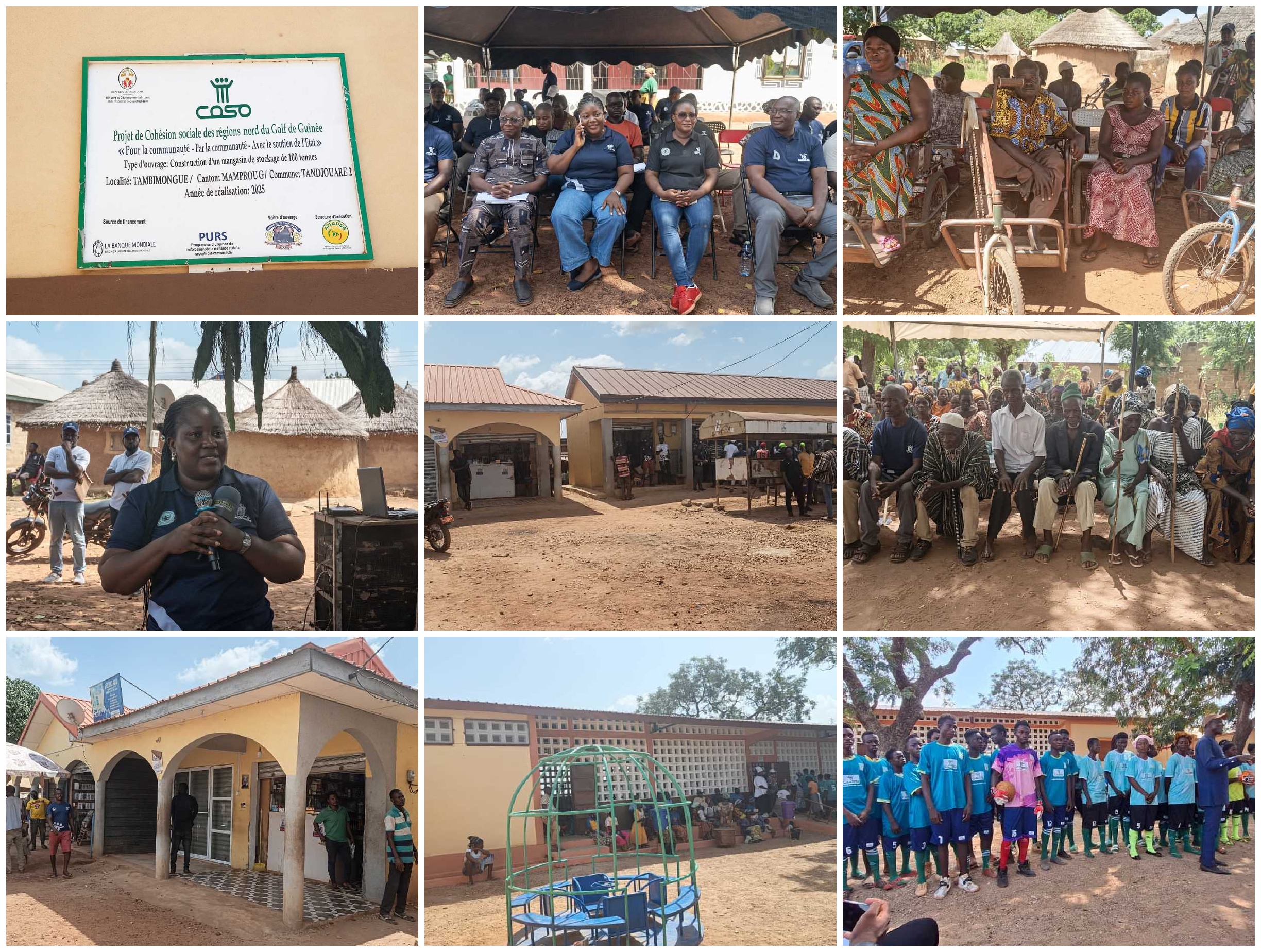
The exchange continued on Thursday, October 29, when the Ghanaian delegation crossed into Togo’s Savanes Region
The team visited Tambimongue and Tolong communities in the Mamproug/Canton cluster of the Tandjoare 2 Municipality, where they interacted with community members and beneficiaries of SOCO-supported interventions
The discussions provided an opportunity for the Ghanaian team to understand how the interventions were being implemented in Togo, the experiences of beneficiaries and the approaches adopted to address local development needs
The visit also created a platform for both teams to compare implementation strategies, identify successful practices and discuss challenges that could inform improvements in their respective countries
The Togolese experience offered Ghana an opportunity to examine practical approaches to community participation, project implementation and the sustainability of development investments
Similarly, the exchange allowed the Togolese team to learn from Ghana’s implementation experiences, reinforcing the principle that cross-border cooperation should be a two-way learning process
From lessons to action
On Friday, October 30, the Ghanaian and Togolese teams concluded the four-day working session in Togo with discussions on their observations, shared experiences and possible next steps
The closing engagement provided an opportunity to reflect on lessons gathered from the community visits and identify areas where improvements and stronger collaboration could enhance the impact of the SOCO Project
The emphasis was on translating the knowledge exchanged into practical actions that would strengthen project implementation, promote community ownership and ensure that investments respond to the actual needs of beneficiaries
Building development beyond national boundaries
The Ghana–Togo exchange forms part of Component 3 of the SOCO Project, which brings together Ghana, Togo, Benin and Côte d’Ivoire to strengthen regional cooperation and address common development, social cohesion and security challenges affecting border communities
The component recognises that communities living along international borders often share similar economic, social and cultural realities, making collaboration between neighbouring countries essential to achieving sustainable development
The four-day engagement has further demonstrated that development interventions in border communities must go beyond the construction of infrastructure. They must also strengthen relationships, empower local people, support economic opportunities and create conditions for lasting peace
Ultimately, the success of the SOCO Project will not be measured only by the number of markets, facilities or other infrastructure delivered, but also by the extent to which these investments improve lives, strengthen community resilience and reduce vulnerabilities that could threaten peace and stability
As Ghana and Togo draw lessons from their respective experiences, the exchange sends a powerful message: borders may separate countries geographically, but shared challenges require shared solutions
Through continued cooperation, community participation and the exchange of practical experiences, both countries are working towards a future in which border communities are not left behind but become active partners in building peace, prosperity and sustainable development
Source – gbcuraonline.com