UE/R: SOCO PROJECT FACILITATORS URGED TO WORK HARD FOR THE SUCCESS OF THE PROJECT – DCE NABDAM
By – Prosper Adankai
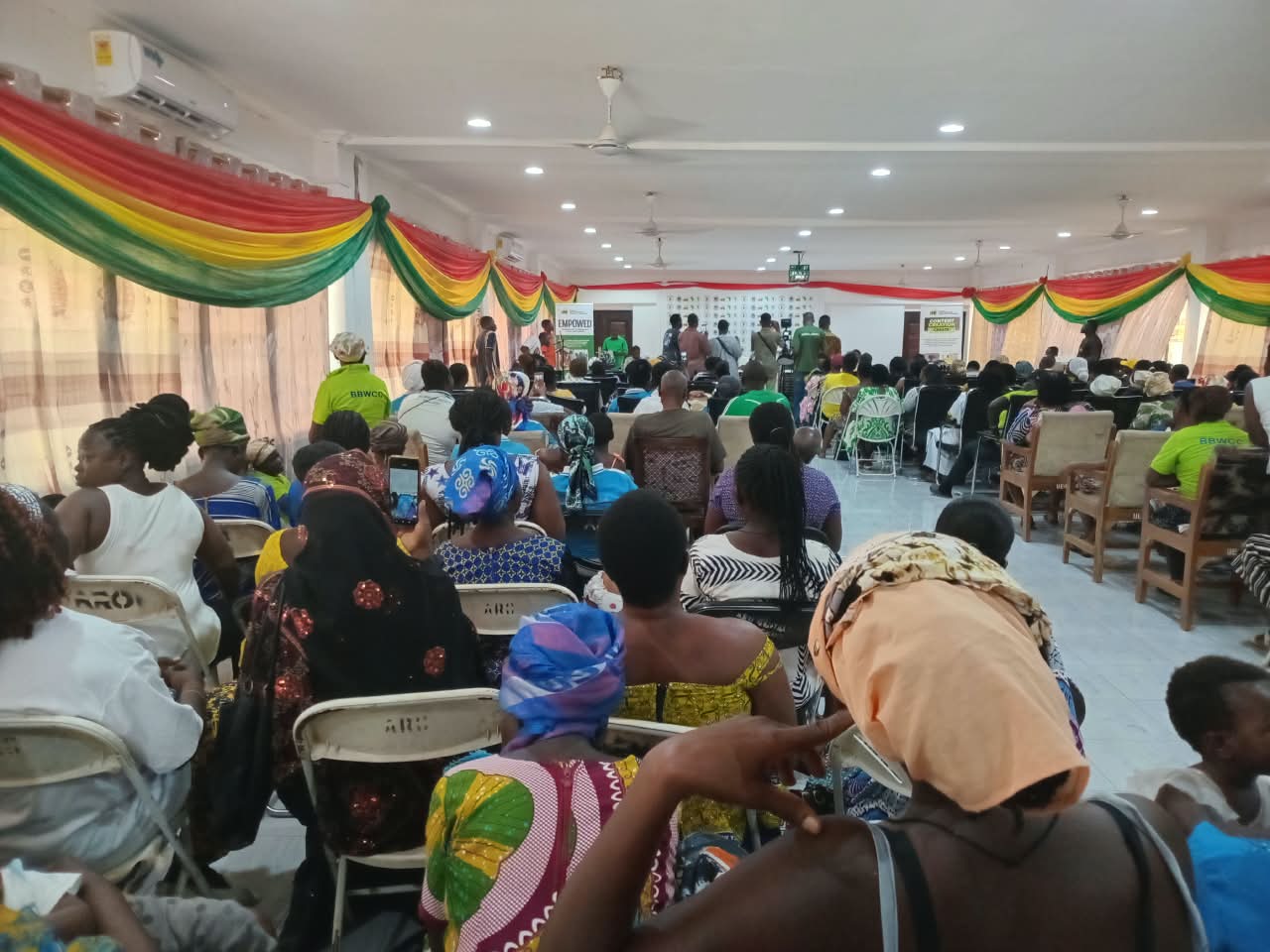
Women and persons with disabilities in the Upper East Region are expected to benefit from vocational skills training, business development support, access to funding and start-up equipment under the Ghana Women and Youth Employment and Social Cohesion (GW-YESCO) Project
The initiative, known as the Empowered Initiative, seeks to address barriers limiting the economic participation of women and persons with disabilities by equipping them with practical skills and resources to establish sustainable businesses and improve their livelihoods
Speaking at the official launch of the initiative in Bolgatanga, Miss Joan Selassie Ahiawordor said the programme was designed to create inclusive economic opportunities and provide beneficiaries with the necessary support to achieve financial independence
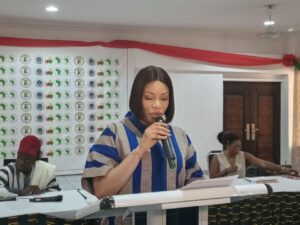
She explained that although many women and persons with disabilities possess the ambition and potential to become economically independent, they continue to face challenges accessing vocational training, business development services and viable economic opportunities
According to her, the Empowered Initiative would go beyond technical and vocational education and training (TVET) to provide beneficiaries with the confidence, knowledge and practical support required to explore market opportunities and establish resilient businesses
Miss Ahiawordor said the broader GW-YESCO project was being implemented in seven regions of Ghana: Upper East, Upper West, Northern, North East, Savannah, Central and Eastern regions
The project has two major components: the CREATE Initiative and the Empowered Initiative
While the CREATE Initiative focuses on developing skills in ethical content creation, cultural heritage promotion, hospitality and tourism, the Empowered Initiative concentrates on vocational training and business development for women and persons with disabilities
She encouraged prospective beneficiaries to embrace the opportunity, have confidence in their abilities and use the skills acquired as stepping stones towards economic independence
She also called on traditional authorities, local government leaders, civil society organisations and other stakeholders to support the full participation of women and persons with disabilities in the programme
Training, equipment and access to funding
Director of Research and Innovation at the National Entrepreneurship and Innovation Programme (NEIP), Mr Casper Sunday Kampoli, said the initiative would provide comprehensive support to beneficiaries, from skills training to business establishment and market access

He explained that participants would be trained in various vocational and technical areas, including fashion design, weaving, basketry, shea butter processing, waste recycling, electric vehicle and motorbike repairs, as well as road maintenance
Mr Kampoli said beneficiaries would receive appropriate start-up equipment and toolkits after completing their training
For instance, participants trained in fashion design would receive sewing machines, while those engaged in shea butter processing and weaving would receive equipment to support their respective businesses
He further disclosed that beneficiaries would have opportunities to access funding through designated financial support schemes under the project, including the Ghana Cooperative Fund and the ARPF Fund, with interest rates ranging between eight and ten per cent
Beyond training and financial support, Mr Kampoli said NEIP would assist beneficiaries to formalise their businesses through registration with the Office of the Registrar of Companies and facilitate the opening of business accounts with banks and other financial institutions
He added that the programme would also help businesses secure the necessary regulatory certifications and licences from institutions such as the Food and Drugs Authority, Ghana Standards Authority and Ghana Export Promotion Authority
According to him, these interventions would enable beneficiaries to produce goods that meet required standards and explore opportunities in both local and international markets
Mentorship and market linkages
Mr Kampoli said the initiative would provide experienced mentors to guide beneficiaries in their respective areas of business, drawing on the expertise of people with established experience in fashion, catering, weaving and other trades
He noted that the programme would also facilitate market linkages by connecting beneficiaries to potential buyers, institutions and businesses that could create demand for their products and services
For example, women engaged in shea butter processing could be connected to businesses and commercial outlets in Accra, while trained fashion designers and tailors could be linked to hotels, schools and other institutions requiring their services
“We are not just training you and allowing you to go. We are providing comprehensive support,” he emphasised
He said the ultimate objective was to ensure that beneficiaries translated the skills acquired into viable businesses capable of generating income, creating employment and supporting their families
Commitment to inclusive economic growth
Miss Ahiawordor expressed appreciation to the Government of Ghana and the African Development Bank for their financial support and commitment to the implementation of the GW-YESCO project
She also acknowledged the contributions of local implementing partners and other stakeholders whose collaboration was helping to advance the initiative
She urged all partners to maintain effective coordination to ensure that the training programmes and business development services addressed the practical needs of beneficiaries
She stressed that the success of the initiative should not be measured only by the number of people trained or the ceremonies organised, but by the businesses established, skills mastered, lives transformed and families supported
Miss Ahiawordor subsequently declared the Empowered Initiative under the GW-YESCO project officially launched, marking another step towards promoting inclusive employment, entrepreneurship and social cohesion in the Upper East Region
Source – gbcuraonline.com