UE/R: SOCO PROJECT FACILITATORS URGED TO WORK HARD FOR THE SUCCESS OF THE PROJECT – DCE NABDAM
By: Gladys Apuweni
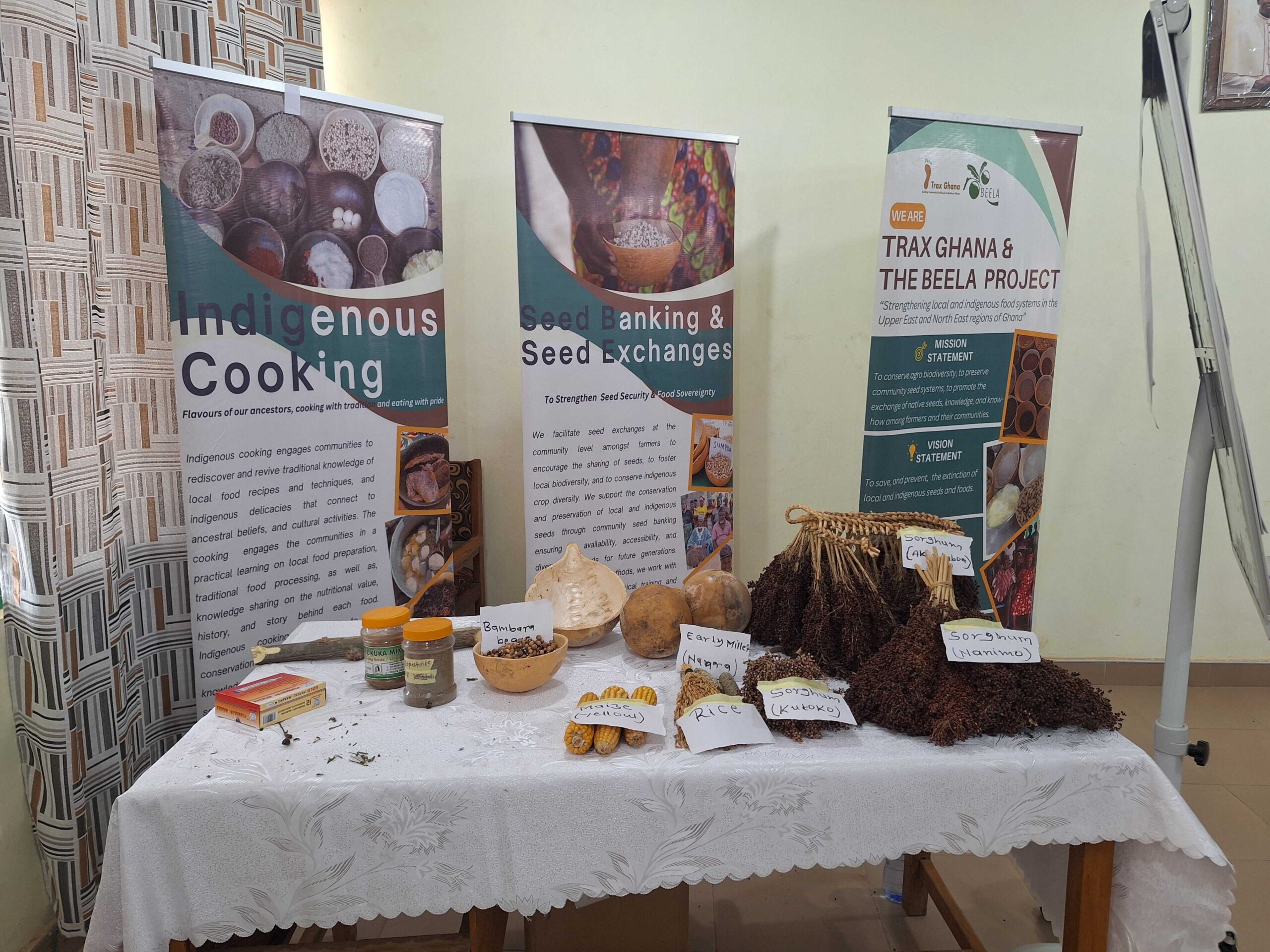
A coalition of civil society Organisations, including NABOCADO, The Beela Project and Trax Ghana, has called for intensified public education and advocacy on indigenous seed systems to promote food sovereignty and sustainable agriculture in Ghana.
The call was made during a media engagement held on Thursday, May 14, 2026, in Bolgatanga, where stakeholders highlighted the dangers associated with the increasing dependence on hybrid and foreign seed systems.
Addressing journalists during the engagement, Abena Offeh Gyimah, Director of the Beela Project, delivered a presentation on the importance of indigenous seeds, farmer managed seed systems, and the distinction between traditional and formal seed systems.
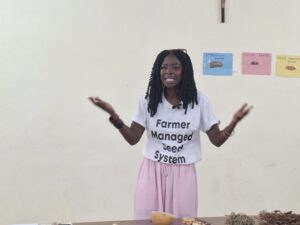
According to her,indigenous seeds are deeply rooted in the identity, culture, and heritage of the people of Northern Ghana and continue to play a critical role in ensuring food security and good nutrition.
“Indigenous seeds define who we are as Northerners, our culture, and what we represent. We are connected to them, and they are rich in nutrients,” she stated.
She explained that the engagement with the media was aimed at raising awareness about the gradual decline of indigenous food systems and its impact on food sovereignty in the country. Madam Gyimah stressed the need for Ghana to strengthen farmer managed seed systems, noting that communities must take ownership of preserving, selecting, and cultivating indigenous seeds to ensure healthier and sustainable food production. “We want to see Ghana become 100 percent dependent on farmer managed seed systems. That is why we are working side by side with the media to create more awareness about the health benefits and importance of our indigenous seeds and foods,” she added.
Also speaking at the event, Dominic Avea Aniah, Programme Director for Livelihood and Agriculture, expressed concern over the growing use of hybrid and foreign seeds by farmers, describing it as a threat to seed security and agroecology, particularly in the Upper East Region.
He noted that excessive dependence on imported seed varieties could undermine local agricultural systems and negatively affect the nutritional quality of food.
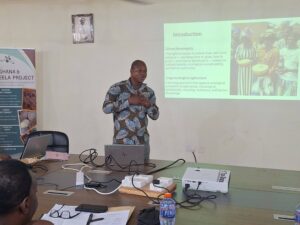
Mr. Aniah therefore encouraged farmers to return to the traditional practice of selecting, preserving, and reusing indigenous seeds, which he said offer greater nutritional and health benefits compared to many foreign seed varieties.
A beneficiary farmer, Diana Ditto, expressed appreciation to the organisations for the education and support provided to help farmers adopt indigenous seed systems.
She said the initiative had transformed her farming activities, enabling her to cultivate a variety of crops and rear livestock using traditional farming methods.
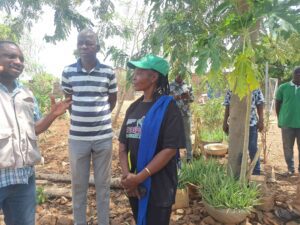
Madam Ditto appealed to farmers across the region to embrace indigenous seed preservation and storage practices to protect the natural fertility and nutritional value of their farms.
“If we abandon our old system of seed selection, preservation, and storage, our farms will lose their natural nutrients because of damage caused by foreign chemicals,” she cautioned.
The engagement formed part of broader efforts by the organisations to promote sustainable agriculture, preserve indigenous knowledge systems, and strengthen food sovereignty in Ghana.