UE/R: SOCO PROJECT FACILITATORS URGED TO WORK HARD FOR THE SUCCESS OF THE PROJECT – DCE NABDAM
By – Prosper Adaakai
The National Democratic Congress (NDC) in the Upper East Region says it is adequately prepared for its upcoming constituency-level elections scheduled between October 23 and 25, 2026, with the party’s regional communication team expressing confidence in a smooth electoral process
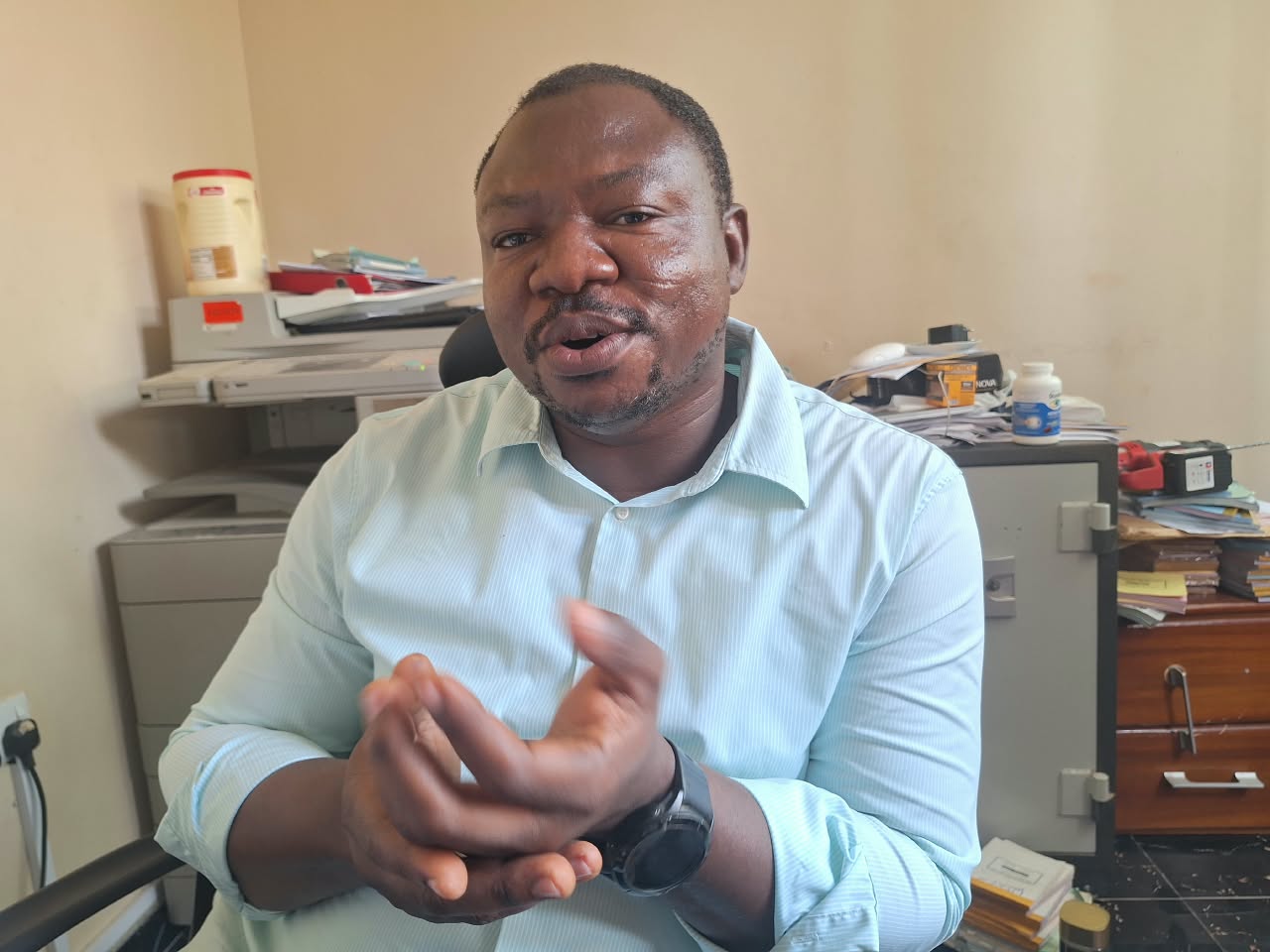
The Upper East Regional Communication Officer of the NDC, Jonathan Abdulai Salifu, said preparations were progressing across the various constituencies as aspirants intensified their campaigns ahead of the elections
According to him, the specific date within the October 23–25 window will depend on arrangements in individual constituencies, although the party is working towards ensuring that the exercises are conducted without unnecessary delays
Speaking in an interview with URA Radio, Mr Salifu said the party’s election directorates had been working to address logistical challenges that affected previous constituency elections
“We are, as a region, well prepared,” he said, adding that the party was hopeful of conducting the elections peacefully and efficiently
More Than 150 Positions Contested
Mr Salifu disclosed that there are 23 constituency executive positions open for contest, with five other positions excluded from the current exercise
He said more than 150 positions were being contested across the region, with the number of aspirants varying from constituency to constituency
According to him, some positions have attracted two or three aspirants, while others have generated more competition
He cited the chairmanship race in the Talensi Constituency as attracting what he described as the highest number of aspirants, with seven candidates reportedly contesting the position
Mr Salifu described the level of competition as a reflection of internal democracy within the governing party
He said the NDC’s position as the governing party could also be contributing to the increased interest in constituency-level leadership positions
Youth and Women Delegates
The NDC Regional Communication Officer explained that the constituency elections involve a process in which youth and women’s representatives are elected before participating as delegates in the subsequent election of the main constituency executives
He said the youth and women’s elections could either be conducted separately or, where logistical considerations permit, on the same day before the main constituency elections
The arrangement, he explained, is intended to ensure that newly elected youth and women’s representatives are properly incorporated into the delegate structure before the main election
Mr Salifu said the party’s regional and constituency election teams were making preparations to avoid delays experienced during previous exercises
He also expressed hope that the current elections would not be disrupted by petitions or court injunctions
Call for Peaceful Campaigns
With competition intensifying among aspirants, Mr Salifu appealed to candidates and their supporters to conduct their campaigns peacefully and avoid personal attacks and insults
He said aspirants should focus on communicating their ideas and demonstrating why delegates should entrust them with constituency leadership
He also urged candidates to recognise that the NDC is now in government and therefore requires a different approach to political organisation
“We are no more in opposition. So obviously, even the style through which we do so many things will have to also vary,” he said
Mr Salifu argued that constituency executives elected during the exercise would have an important responsibility to defend the party’s policies and communicate its programmes to the electorate
He therefore encouraged aspirants to present constructive messages to delegates instead of relying on confrontational campaign tactics
Lessons from the 2015 Open Participation Experiment
The NDC communicator also reflected on the party’s previous experience with a broader participation model during its internal elections in 2015
Mr Salifu, who said he served as secretary of the Bolgatanga Central Constituency at the time, recalled that the process allowed a much wider section of party members to participate
While he acknowledged that the arrangement had positive democratic intentions, he said the party encountered several challenges, including problems with the compilation of registers
According to him, the broader participation system created difficulties in verifying the eligibility of some people on the electoral roll
He said the financial cost of organising such an exercise was another major challenge
Mr Salifu argued that internal disagreements arising from constituency-level elections could potentially affect the wider party structure if they are not properly managed
“When there’s a crack, it starts from the bottom and moves straight to the top,” he said
He therefore called for careful management of the current constituency elections to ensure that disagreements among aspirants do not develop into lasting divisions within the party
The Question of Cost
The cost of internal party elections also featured prominently in the interview
Mr Salifu recalled that the NDC’s 2015 exercise involved significant expenditure, which he estimated at about GH¢30 million at the time, although that figure would require independent verification against official party financial records
He suggested that state support for political parties’ electoral activities could potentially help reduce the financial burden, provided such support was structured fairly for all qualifying political parties
He recalled earlier periods in Ghana’s Fourth Republic when, according to him, political parties received forms of state support for their activities
However, he acknowledged that financing internal party elections remains a substantial undertaking
Will the New Arrangement Reduce Monetisation?
On whether the current arrangement could reduce the monetisation of internal party elections, Mr Salifu offered a cautious assessment
He said the extent to which monetary inducements are reduced would depend significantly on the conduct and expectations of delegates themselves
According to him, reducing the number of people involved in an election could change the scale of spending but would not automatically eliminate the practice
He suggested that politicians seeking internal party positions may still feel compelled to provide financial or other forms of support to delegates
The comments highlight a broader challenge confronting political parties in Ghana, where the cost of internal campaigns and expectations surrounding candidates can influence participation in party elections
A Test for Internal Democracy
The upcoming constituency elections will provide another test of the NDC’s internal democratic structures as the party prepares to consolidate its organisation at the grassroots
For the Upper East Region, the exercise involves more than the selection of constituency executives. It will determine the local leadership teams expected to mobilise members, communicate party policies, organise grassroots activities and support the party’s broader political objectives
Mr Salifu expressed confidence that the NDC could successfully conduct the elections if aspirants, delegates and party officials worked together and respected the electoral process
He called for restraint, constructive campaigning and acceptance of the outcome of the elections
As the October 23–25 window approaches, attention will increasingly focus on the competing aspirants, the organisation of the polls, voter eligibility, the management of disputes and the ability of the party to maintain cohesion after the results are declared
For the NDC in the Upper East Region, the central challenge will be to turn the current competitive atmosphere into an internal democratic process that strengthens rather than weakens the party’s grassroots structures
Source – gbcuraonline.com