UE/R: SOCO PROJECT FACILITATORS URGED TO WORK HARD FOR THE SUCCESS OF THE PROJECT – DCE NABDAM

By – Gladys Apuweni
For scores of National Democratic Congress (NDC) members across the Upper East Region, October 25, 2026, will be more than another date on the party’s calendar.
It will be a day when years of party work, personal relationships and ambitions for leadership will be put to the test as members go to the polls to choose constituency executives.
Behind the contest are men and women seeking the confidence of their colleagues to take responsibility for organising the party at the grassroots.
And as the campaign gathers momentum, the message from the regional leadership is clear: competition should not destroy the relationships that hold the party together.
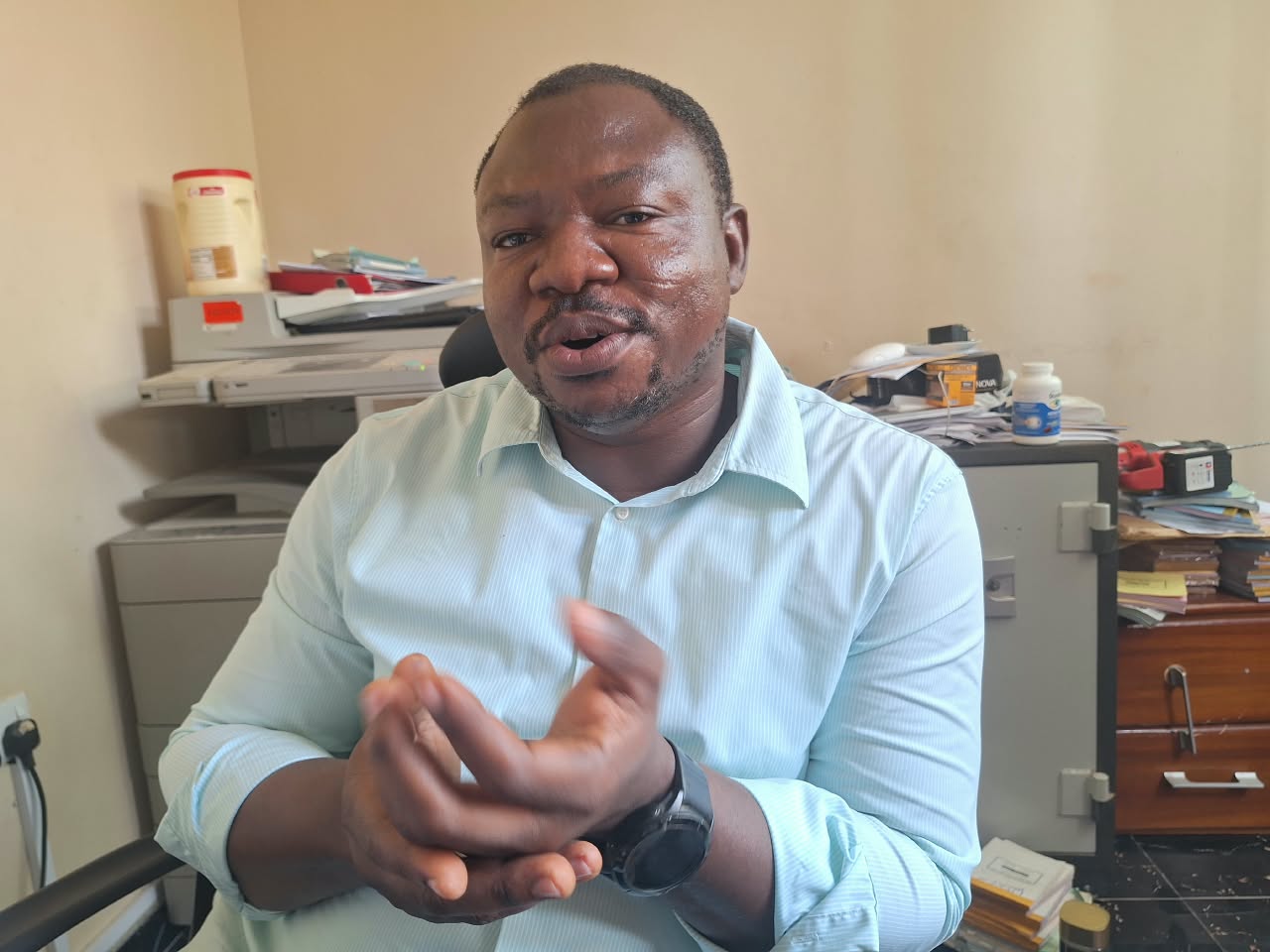
The NDC Regional Communication Director, Salifu Abdullah, says the party is ready for the elections, with the vetting of aspirants completed and campaigns underway across the constituencies.
Speaking in an interview on October 7, Mr. Abdullah said the regional and constituency election directorates had been working to address challenges encountered during previous elections.
So far, he said, the party had not recorded petitions or court injunctions relating to the upcoming elections—a development he hopes will continue as the process approaches voting day.
The attraction of the elections lies not only in the positions themselves, but in what they represent for party members who want to shape the NDC’s activities at the constituency level.
According to Mr. Abdullah, 23 positions are open for contest in each constituency, translating into about 150 positions across the region.
The number of aspirants differs from one constituency to another. In the Talensi Constituency, for example, as many as seven people are currently contesting the chairmanship position.
For the contestants, victory would mean taking on responsibilities that extend beyond titles.
Constituency executives are expected to help organise party structures, communicate with members, mobilise supporters and contribute to the day-to-day administration of the party.
Mr. Abdullah attributes the strong interest in the elections partly to the NDC’s current position as the governing party, which has made the various executive positions attractive to members.
An important part of the process involves the election of youth and women’s representatives.
Mr. Abdullah explained that successful candidates in these categories would subsequently become delegates eligible to participate in the election of the main constituency executives.
Although the party may sometimes conduct the various elections on the same day because of time and resource constraints, he said the youth and women’s elections are conducted first before the main constituency executive elections.
The arrangement gives young people and women a defined role in the party’s internal decision-making process.
But as competition intensifies, concerns about how aspirants conduct themselves have also emerged.
Mr. Abdullah is urging candidates and their supporters to resist personal attacks and insults and instead focus on the issues.
For a party that must continue working together after the ballots have been counted, the relationships built during the campaign could be just as important as the outcome itself.
The regional communication director is therefore asking aspirants to remember that they are contesting positions within the same political organisation.
The election, he argues, should be viewed as a democratic process rather than a battle that leaves permanent divisions among party members.
There is also another message from the regional leadership: being in government should change how party members approach their political responsibilities.
Mr. Abdullah says NDC members seeking leadership positions should recognise that the party is now in government and conduct themselves accordingly.
Rather than relying on confrontational approaches to gain attention, he wants executives and aspiring leaders to help explain government programmes, defend the party’s policies and contribute constructively to its work.
That, he believes, should form part of the new responsibilities of party members operating under a governing party.
With the campaigns underway and the vetting process completed, attention is now turning to October 25.
For the aspirants, the coming weeks provide an opportunity to make their case to delegates and convince them that they can provide the leadership their constituencies need.
For the party, however, the challenge goes beyond conducting the elections.
It is about ensuring that the competition does not become a source of lasting division.
Mr. Abdullah is confident that the preparations by the regional and constituency election directorates will help deliver a peaceful and orderly process.
When the ballots are finally counted, some aspirants will emerge victorious and others will have to accept defeat.
But regardless of the outcome, the NDC’s constituency structures will still have to work together.
And that may ultimately be the bigger test: whether the party can emerge from the contest with its internal democratic structures strengthened and its members ready to continue working together.
Source – gbcuraonline.com