UE/R: SOCO PROJECT FACILITATORS URGED TO WORK HARD FOR THE SUCCESS OF THE PROJECT – DCE NABDAM
By – Sadat Dabo
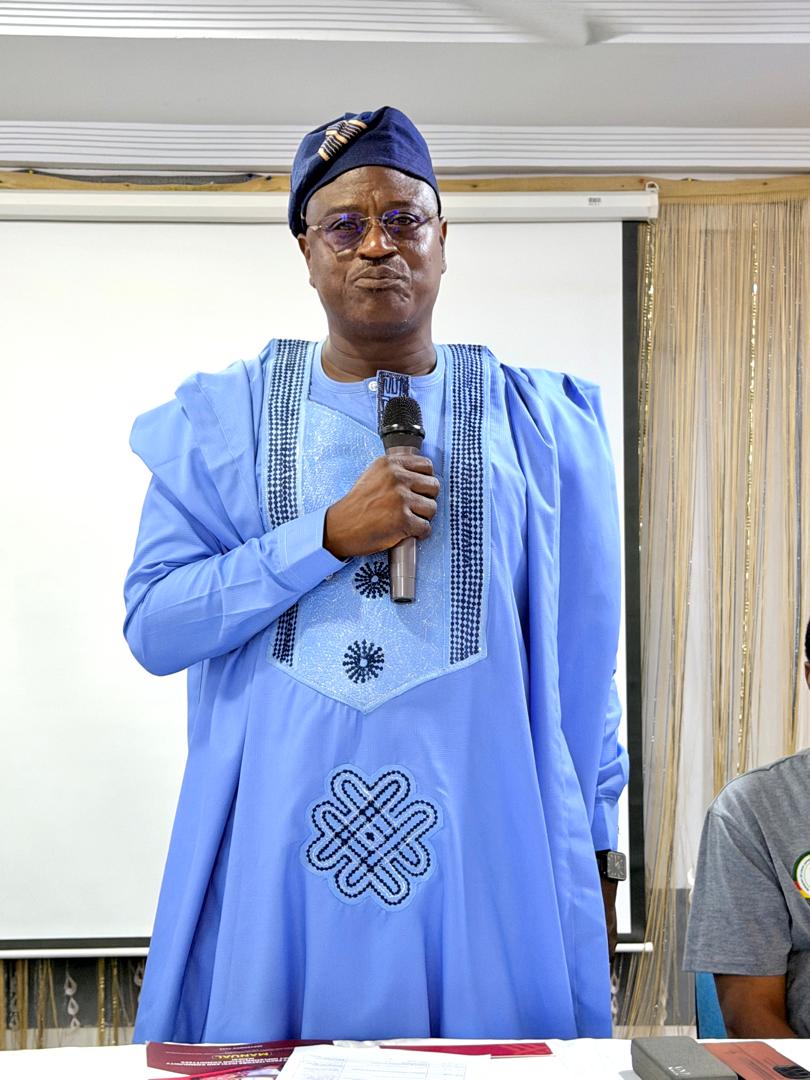
North East Regional Minister, Ibrahim Tia, has warned that youth idleness, poverty, hunger, illiteracy and ignorance are among the major factors fuelling unnecessary conflicts in the North East Region
According to the Minister, the fight against conflict must go beyond security interventions and include deliberate efforts to engage young people in productive activities that improve their livelihoods and strengthen social cohesion
He made the remarks while addressing 48 newly recruited community facilitators from the six districts of the North East Region at a three-day training workshop being held from October 7 to 9 at ICBERG Guest House in Nalerigu under the Gulf of Guinea Northern Regions Social Cohesion (SOCO) Project
The SOCO project operates across Ghana’s northern regions, including Oti, Northern, Savannah, Upper West, Upper East and North East, with a key objective of strengthening social cohesion and reducing drivers of conflict
The devil finds work for idle hands
Minister Tia argued that when young people are unemployed and have little productive engagement, they are more likely to spend time discussing issues that can generate tensions and eventually lead to conflict
“When you are engaged, your focus is on what you are doing,” he said, stressing that productive work and skills development could help prevent young people from becoming involved in activities that threaten peace
SOCO must tackle the roots of conflict
The Minister said the purpose of SOCO should not be reduced to constructing physical projects in communities, but must focus on addressing the underlying social and economic conditions that create conflict
He identified illiteracy, poverty, hunger and ignorance as some of the major challenges that must be tackled if the region is to achieve lasting peace
“If we are able to work on this, I think no matter what the situation is, conflicts will be reduced drastically,” he stated
According to him, the project must therefore ensure that communities are actively involved in identifying their own needs instead of having projects imposed on them
Don’t build projects communities don’t need
Minister Tia cautioned the SOCO facilitators against imposing development projects on communities without first consulting residents
He recounted instances where facilities, including toilets, had been constructed for communities but later abandoned because the people had not identified them as their priority
He said such situations demonstrate why community participation and ownership are critical to the success of SOCO interventions
“The community tells you what they want,” he stressed, urging the facilitators to work closely with residents to identify projects that respond directly to their needs
Conflict cannot be eliminated — but it can be reduced
The Minister acknowledged that conflict is inevitable wherever human beings live together, using the relationship between the tongue and teeth as an illustration
He said just as the tongue and teeth can sometimes hurt each other but continue to coexist, communities must learn mechanisms for managing disagreements rather than allowing disputes to escalate into violence
“We cannot eliminate conflict once we are human, but we should minimize it to the barest minimum,” he said
If people must lose lives, you don’t deserve to lead them
The Minister also delivered a pointed message to traditional and community leaders, stressing that leadership must always put the welfare of the people first
Using Bunkprugu as an example, he said chiefs exist because of the communities they lead and must therefore make decisions that protect the lives and wellbeing of their people
“If you want to lead and people must lose lives, then you don’t worth leading them,” he declared
He urged the newly trained facilitators to become agents of peace by engaging residents, changing mindsets and helping communities identify practical solutions to their challenges
48 facilitators tasked with taking SOCO to communities

The 48 facilitators, drawn from the six districts of the North East Region, are expected to serve as a critical link between SOCO and beneficiary communities
Minister Tia reminded them that because they are themselves members of the communities where they will work, the success or failure of their interventions will directly affect their communities and their own credibility
He therefore challenged them to take their responsibilities seriously and ensure that community participation remains at the centre of SOCO implementation
He expressed optimism that sustained engagement, productive youth activities and community-driven development would gradually change mindsets and help reduce conflicts across the North East Region
Source – gbcuraonline.com