UE/R: SOCO PROJECT FACILITATORS URGED TO WORK HARD FOR THE SUCCESS OF THE PROJECT – DCE NABDAM
By – Sadat Dabo
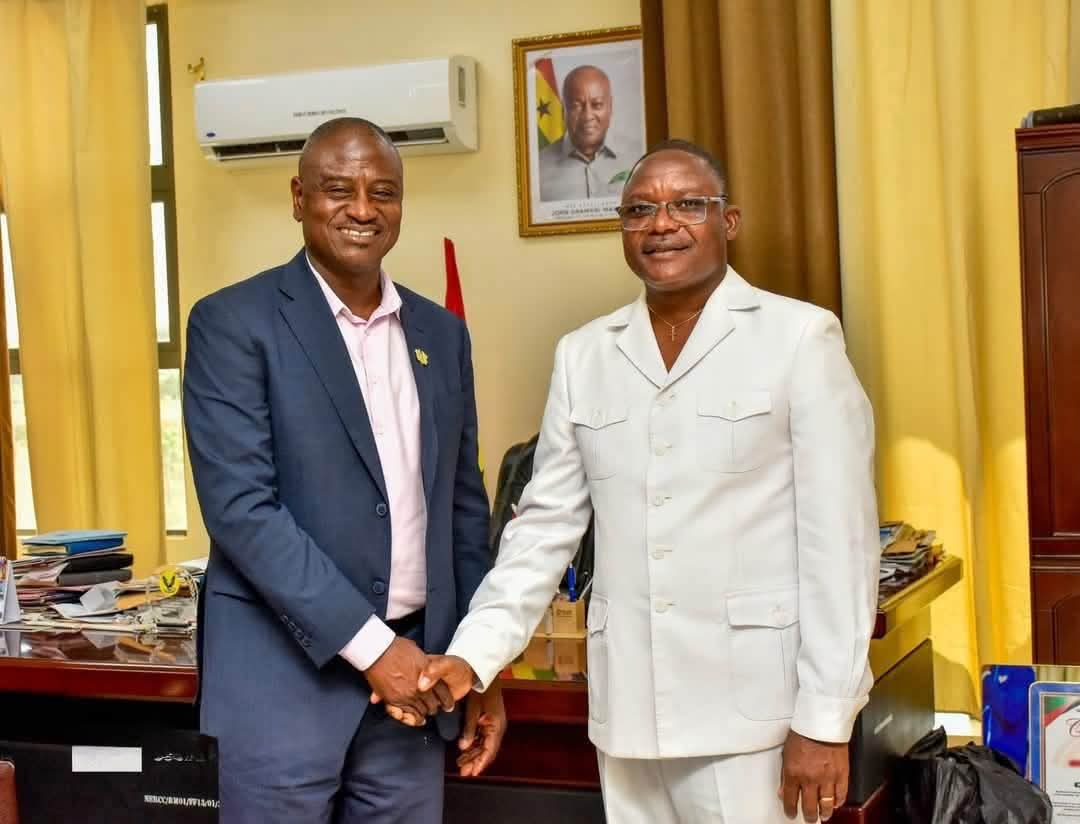
The North East Regional Minister, Ibrahim Tia, and Togo’s Regional Minister for Tandjouare, Agbante Oukoura, have highlighted the potential of the Gulf of Guinea Northern Regions Social Cohesion (SOCO) Project to improve livelihoods, strengthen community resilience and promote lasting peace in Ghana and Togo
The two ministers spoke at the opening of a four-day Ghana–Togo Joint Regional Working Session at the North East Regional Coordinating Council in Nalerigu on Tuesday, October 27, 2026
The meeting brings together delegations from both countries to share experiences, review project implementation and identify practical ways to maximise the benefits of SOCO interventions in beneficiary communities
The project, supported by the World Bank, is being implemented in Ghana, Togo, Benin and Côte d’Ivoire to strengthen social cohesion, enhance socioeconomic and climate resilience, and reduce the risks associated with fragility, conflict and violence
Infrastructure and livelihood opportunities for communities
Addressing participants, Mr Tia said the SOCO Project was helping to address critical community needs through investments in education, healthcare, markets, water systems and livelihood activities
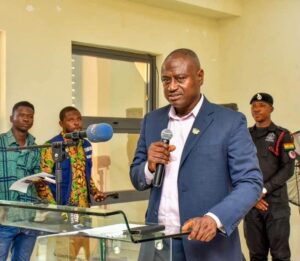
He explained that these interventions were important for improving living conditions and expanding economic opportunities, particularly for women and young people
According to him, the project’s benefits extend beyond physical infrastructure to include stronger community relationships, social inclusion and improved resilience against threats that could undermine peace and stability
In Ghana, the minister said, SOCO was being implemented in 48 metropolitan, municipal and district assemblies across six beneficiary regions: Oti, Savannah, Upper West, Upper East, Northern and North East
He noted that poverty, unemployment, social exclusion and competition over limited resources could create tensions in vulnerable communities, making development investments and community participation essential to preventing conflict
“Development must go beyond the provision of physical infrastructure,” Mr Tia stressed, calling for stronger local institutions and meaningful participation by communities in decisions affecting their development
Ghana–Togo cooperation to maximise SOCO benefits
Mr Tia said the joint working session provided an important platform for Ghana and Togo to exchange knowledge, assess progress and address challenges affecting project implementation
He urged technical teams from both countries to identify practical lessons in procurement, infrastructure delivery, environmental and social safeguards, monitoring and the maintenance of completed facilities
He emphasised that the project’s success should be measured not only by the number of facilities constructed but also by the quality of services delivered, improvements in livelihoods and the lasting benefits to communities
The minister further highlighted the potential of investments in markets, water facilities and livelihood programmes to promote local trade and create economic opportunities for communities on both sides of the Ghana–Togo border
He also called for development interventions to prioritise women, young people and vulnerable groups to ensure that the benefits of the project were shared inclusively
Planned community engagements in Nakpanduri and Bimbagu he said, would provide opportunities to interact directly with beneficiaries, understand their experiences and improve the responsiveness of future interventions
Togo minister: SOCO must benefit future generations
For his part, Mr Oukoura stressed the importance of using the SOCO Project to create lasting development benefits for communities in both countries
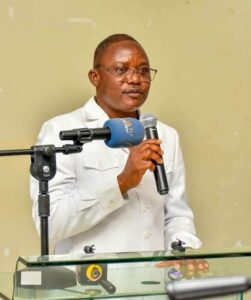
He described the joint working session as an opportunity for knowledge-sharing, urging participants to engage in open and structured discussions that would enable them to learn from each other’s experiences
The Togolese minister said the lessons gained should be applied in their respective communities to improve development outcomes and strengthen the impact of the project
“Even if we are no longer here tomorrow, our children will be here, and we are obliged to build and develop today so that our children can benefit tomorrow,” he said
His remarks underscored the need for present-day development initiatives to deliver sustainable benefits that future generations could continue to enjoy
Mr Oukoura expressed hope that the working session would achieve its objectives and contribute to improving the lives of people in SOCO beneficiary communities
Tackling security threats through development
Beyond infrastructure and livelihoods, the two ministers underscored the importance of strengthening cross-border cooperation to protect communities against emerging security threats
Mr Tia identified instability in the Sahel, violent extremism, cross-border crime, illicit arms trafficking and population displacement as challenges requiring coordinated responses from neighbouring countries
He warned that insecurity in one country could affect neighbouring communities through disruptions to trade, livelihoods and public safety
He therefore called for stronger partnerships between Ghana and Togo, arguing that sustainable development, social inclusion and community engagement were essential to building resilient border communities
The minister also stressed that traditional authorities, local institutions and other stakeholders had important roles to play in sustaining dialogue, promoting peaceful coexistence and ensuring that development investments created shared opportunities rather than division
Four-day session to strengthen project delivery
The joint regional working session, scheduled for October 27–30, 2026, is expected to produce recommendations to improve SOCO implementation and deepen cooperation between Ghana and Togo
Mr Tia expressed appreciation to the World Bank, the governments of Ghana and Togo, their respective project implementation units and other stakeholders for their continued support
The engagement is expected to reinforce the project’s broader objectives of improving livelihoods, strengthening social cohesion, enhancing resilience and promoting sustainable development across beneficiary communities
For both ministers, the ultimate measure of SOCO’s success will be its ability to translate development investments and cross-border cooperation into lasting improvements in people’s lives, while building peaceful and resilient communities for future generations
Source – gbcuraonline.com