UE/R: SOCO PROJECT FACILITATORS URGED TO WORK HARD FOR THE SUCCESS OF THE PROJECT – DCE NABDAM
By – Sadat Dabo
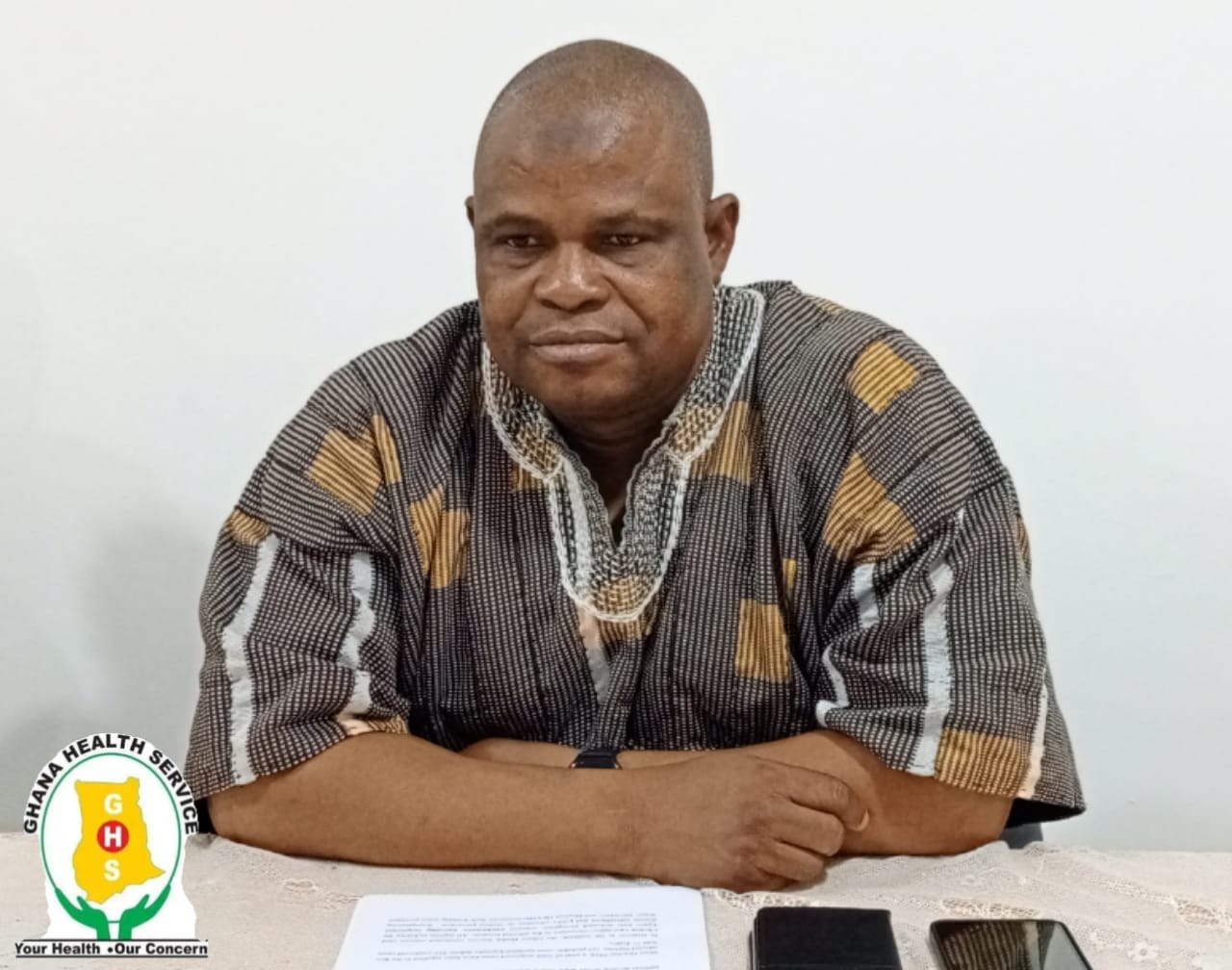
The Upper East Regional Director of Health Services, Dr. Braimah Baba Abubakari, has urged residents of the Upper East Region to remain vigilant against Ebola and Cerebrospinal Meningitis (CSM), calling for intensified border screening, improved hand hygiene and early reporting of suspected symptoms to health facilities
Speaking in an interview with Madam Florence Ayamga on URA Sunrise on GBC URA Radio 89.7MHz on Thursday, October 22, 2026, Dr. Abubakari said health authorities were strengthening surveillance and public education to protect residents against potential infectious disease threats
His remarks follow reports of an Ebola case in Nigeria, raising concerns about the possible spread of the disease across borders, particularly in communities with frequent cross-border movements for trade and other activities
Ebola : Upper East intensifies preparedness
Dr. Abubakari explained that Ebola is a serious viral disease that can cause severe illness and death, stressing the importance of early detection, appropriate infection prevention measures and effective contact tracing
He noted that the disease can spread through direct contact with the blood and other body fluids of an infected person, particularly after symptoms develop. He urged the public to avoid contact with suspected cases and to follow instructions from health authorities
According to him, the incubation period can range from two to 21 days, making the identification and monitoring of people who may have been exposed crucial to preventing further transmission
He cited reports that Nigerian health authorities had identified 44 contacts linked to the reported case, including people who travelled on the same aircraft as the suspected source of infection
Dr. Abubakari also noted that the reported connection between the Nigerian case and Uganda required further clarification, given the information available to health authorities at the time of the interview
He stressed that Ghana could not afford to be complacent, even where the source and circumstances of a reported case remained unclear
Border communities on alert
The Regional Director disclosed that the Upper East Region had several entry points through which people travel into Ghana, making border surveillance an important part of its public health preparedness
He mentioned Bawku and other border entry points, explaining that health personnel work alongside immigration and other agencies to screen travellers for possible infectious diseases
He said the Paga border post had laboratory capacity to support the assessment of suspected cases, while health personnel at other entry points could identify and detain travellers considered suspicious for further assessment
Dr. Abubakari said a meeting of the Regional Public Health Emergency Management Committee, held a day before the interview, had discussed preparations for public health threats, including yellow fever, meningitis and COVID-19. Although the meeting had been scheduled before the latest Ebola report emerged, the development became an additional issue for consideration
He called on Port Health authorities to intensify screening, particularly for travellers arriving from countries or locations where infectious disease risks had been identified
He also appealed to media organisations to support the Ghana Health Service and other relevant agencies in disseminating accurate information to the public
Hand hygiene key to Ebola prevention
Dr. Abubakari urged residents to revive the handwashing and sanitising habits adopted during the COVID-19 pandemic
He advised the public to wash their hands regularly with soap and running water or use an appropriate hand sanitiser, particularly after contact with frequently touched surfaces and before touching their faces
He further cautioned against direct contact with people suspected of having infectious diseases and urged health workers to maintain strict infection prevention measures when attending to patients presenting with unusual symptoms
The Regional Director emphasised that public cooperation and prompt reporting of suspected cases would be critical to containing any potential outbreak
CSM season : Avoid overcrowding and seek early treatment
Turning to Cerebrospinal Meningitis (CSM), Dr. Abubakari warned residents that the approaching meningitis season required particular attention, especially as temperatures rise and traditional funerals and other social gatherings attract large crowds
He advised residents to avoid overcrowded rooms and ensure adequate ventilation, including when sleeping at night
According to him, overcrowding and poor ventilation can increase the risk of meningitis transmission, making it important for families and communities to adopt preventive measures during the hot season
He also urged residents not to dismiss persistent headaches, fever, vomiting or neck pain as ordinary malaria or minor illnesses
“Once you are not feeling well, let’s not delay it. Let us report early enough,” was the central message of his advice to residents
He explained that meningitis can progress rapidly and become life-threatening if treatment is delayed. Early assessment at a health facility, he said, gives patients a better chance of receiving appropriate treatment before complications develop
Dr. Abubakari disclosed that medicines for managing meningitis had been stocked at health facilities across the region, including health centres, to support prompt treatment and referral where necessary
He encouraged residents to seek medical attention rather than relying solely on self-medication
Prevention is better than treatment
The Regional Director reassured residents that health facilities were available across the region and urged them to make use of these services whenever they experienced unusual symptoms
He also encouraged communities to cooperate with health personnel deployed to provide education and primary healthcare services
Dr. Abubakari called for collective responsibility in preventing infectious diseases, stressing that personal hygiene, avoiding overcrowding, effective surveillance and early treatment remained essential to protecting public health
He urged residents to share verified health information with family members and community members who might not have heard the interview
As concerns over Ebola preparedness coincide with the approaching meningitis season, The Upper East Regional Director of Health Services, Dr. Braimah Baba Abubakari message was clear : residents must remain alert, observe preventive measures and seek medical attention promptly when symptoms arise
Source – gbcuraonline.com