UE/R: SOCO PROJECT FACILITATORS URGED TO WORK HARD FOR THE SUCCESS OF THE PROJECT – DCE NABDAM
BY: ATUIMAH VALERIUS
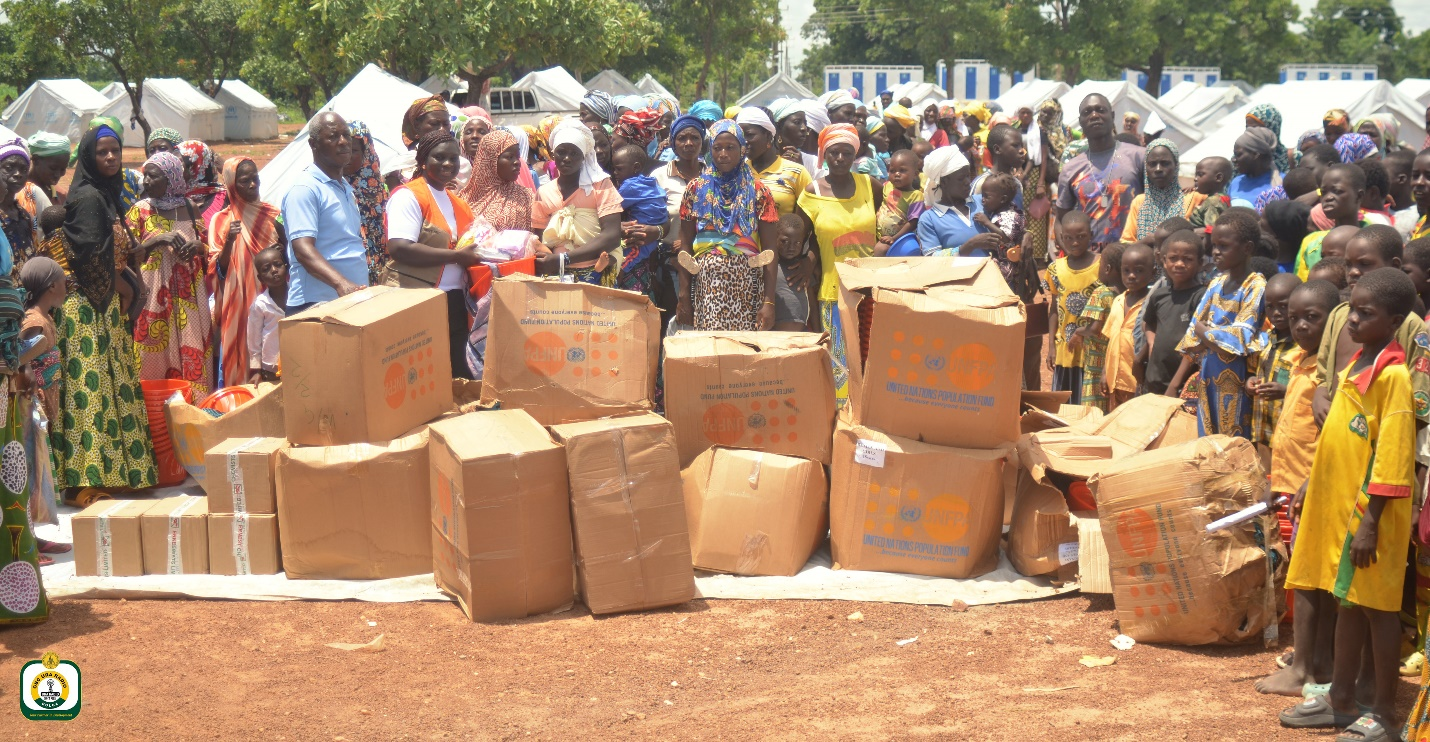
World Vision Ghana, in collaboration with several partners, has donated 1,700 dignity kits to refugees at the Tarikom refugee camp in the Bawku West District of the Upper East Region. The donation, which took place on Thursday, September 27, 2025, aims to improve the hygiene, health, and overall well-being of the asylum seekers who have fled ongoing conflict in Burkina Faso.
The dignity kits were specifically targeted at the most vulnerable populations in the camp, including women of reproductive age, children, pregnant women, and the elderly. The distributed kits contained essential items such as buckets, shaving sticks, towels, sanitary pads, napkins, baby diaper towels, reusable baby diaper pants, and washing soap, among others.
World Vision’s commitment to supporting the Tarikom camp is part of a larger “Border” project aimed at building resilience, developing infrastructure, and promoting social cohesion for both refugees and their host communities. The project’s overarching goal is to stabilize and prevent violent conflicts in fragile border regions across Ghana, Togo, and Benin by strengthening cross-border cooperation. This comprehensive approach underscores the organization’s view that supporting refugees not only helps them but also reduces pressure on host community amenities, which can otherwise lead to conflict.
Ms. Awurabena Quoyeba Dadzie, World Vision Ghana’s Health & Nutrition Technical Manager, explained that the organization is driven by its humanitarian vision to ensure everyone has life in all its dignified forms. She highlighted the critical need for hygiene and health support, noting the difficult circumstances faced by the refugees. Before the donation, Ms. Dadzie conducted a sensitization session, demonstrating proper personal, menstrual, and oral hygiene practices for the beneficiaries.
Samuel Gmalu, World Vision Ghana’s Humanitarian & Emergency Affairs Manager, explained that the donation was a necessary response to a critical gap. He said that while the World Food Programme (WFP) previously provided cash to refugees for food and basic necessities, the funds were often insufficient, forcing families to prioritize food over hygiene items. The donation of these kits will allow the refugees to allocate their limited funds toward food and other necessities.
The donation was made possible through a collaboration with several partners, including UNFPA, Ernest Chemist, and Vitamin Angels. Ernest Chemist also contributed medications, including Vitamin B and Albendazole, which were provided to the CHIPS health facility nearby.
World Vision has been a long-standing partner to the Tarikom refugee camp, working with UNHCR and the Ghana Refugee Board since the camp’s inception, with a focus on water, hygiene, and sanitation. In a past project, World Vision provided equipment and located a CHIPS compound at the camp. The organization has also been involved in a border project to build more infrastructure, refurbish the health facility, and provide livelihood skills to the refugees.
In addition to the dignity kits, World Vision provided medication, donating 10 cartons of various drugs. This initiative is part of a broader effort to provide comprehensive support, as the organization is also assessing a new refugee camp being established in Atempra, located in the Brong Ahafo Region. According to the World Vision Ghana team, an assessment was currently underway to determine the population of refugees there, which will inform future support plans. As a humanitarian organization, World Vision’s core mandate is to support vulnerable populations like these refugees, Ms. Awurabena stated.
Mr. Gmalu also raised concerns about recent funding cuts, noting that the WFP has announced a reduction in cash assistance for refugees, dropping from GHS1,000 to GHS400 per household for the next two months before ceasing altogether. This reduction is expected to have a significant impact on the refugees’ lives, potentially leading to increased malnutrition and other issues.
World Vision is calling on other corporate and private sector organizations, as well as public sector and humanitarian groups, to join in supporting these vulnerable populations. “We need more people to come in to support these people,” Mr. Gmalu urged.