UE/R: SOCO PROJECT FACILITATORS URGED TO WORK HARD FOR THE SUCCESS OF THE PROJECT – DCE NABDAM
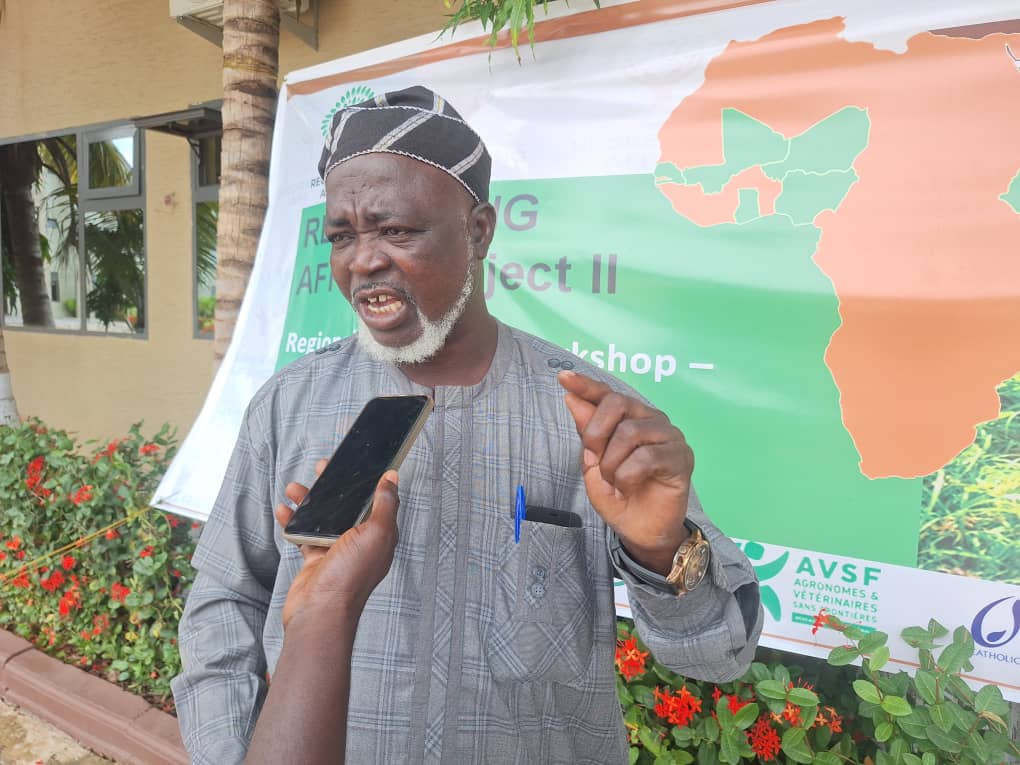
BY: Gladys Apuweni
The Upper East Regional Director of Agriculture, Alhaji Zakaria Fuseini, has urged farmers in the region to prioritize planning and adopt improved farming practices as the government’s “Planting for Food and Jobs” (Feed Ghana) program struggles to deliver timely input support.
In an exclusive interview with Gladys Apuweni, Alhaji Fuseini confirmed that although the government promised free distribution of seeds and fertilizers under the program, no fertilizer has so far been delivered to the region this year. He explained that the little support farmers received came from fertilizer stock left over from last year’s dry spell.
“As we speak now, no fertilizer in the name of Feed Ghana has come to the region. Except for the small quantities we distributed from last year’s stock, farmers have not received the promised inputs. We are still being told it is coming,” he said.
Alhaji Fuseini acknowledged farmers’ frustrations, stressing that the delays could affect yields. However, he emphasized that productivity is not only dependent on the size of land cultivated but also on best practices and improved techniques.
“Productivity doesn’t depend on increased size alone. If you reduce your farm from five acres to two and apply the right practices, your yield per unit area can match or even surpass larger farms,” he noted.
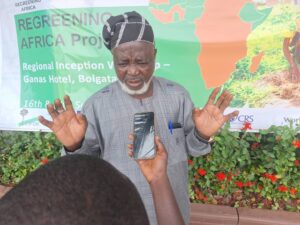
The director also highlighted efforts by the Department of Agriculture in collaboration with the Ghana Meteorological Agency (GMET) to share timely weather forecasts with farmers. Beginning in January, extension officers disseminated forecasts across all communities in the region, including predictions about rainfall onset and dry spells.
Farmers were advised to take advantage of early rains for land preparation and cultivation. While some farmers heeded the advice and benefited, others were skeptical until the forecasted dry spell in late May to early June occurred as predicted.
We reached every community. Farmers were made aware of when the rains would set in and the likely dry spell. Those who acted early reaped the benefits,” Alhaji Fuseini explained.
Another major challenge farmers faced this season was the invasion of fall armyworm, which destroyed large acres of crops. Alhaji Fuseini revealed that his department guided farmers on using both chemical and organic control methods, including locally prepared neem-based solutions, to minimize damage.
Although government-supplied chemicals arrived late in July in small quantities, community-based interventions helped farmers recover part of their farms.
Despite the challenges, the regional director expressed optimism that with the current rainfall pattern, rice farmers, in particular, stand to benefit as valleys are now filled with water.
He, however, warned that the hope for a bumper harvest will depend heavily on consistent government support in terms of seeds and fertilizers, especially for farmers who can not afford to purchase inputs on their own.
Alhaji Fuseini concluded by encouraging farmers not to rely solely on government interventions but to plan ahead and invest in their farms within their means.