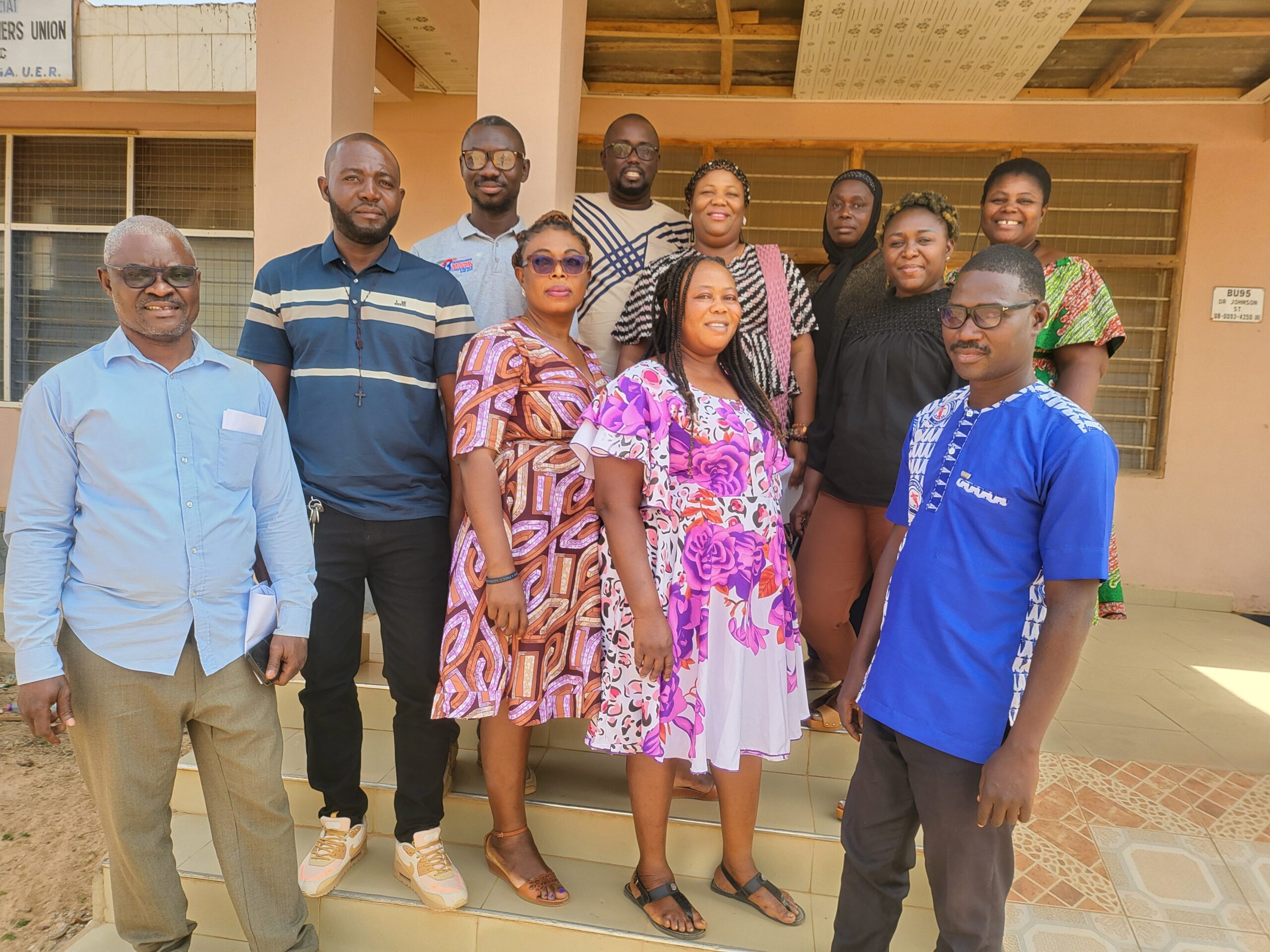
UE/R: SOCO PROJECT FACILITATORS URGED TO WORK HARD FOR THE SUCCESS OF THE PROJECT – DCE NABDAM
BY: Raymond Wegwi
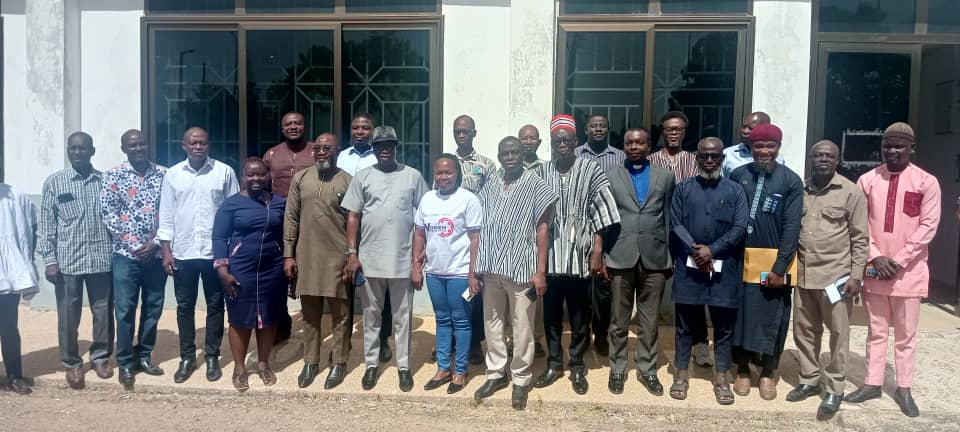
The Sustainable Development Goal (SDG) 16 which seeks to promote peace and inclusive society for sustainable development, provide access to justice for all and build effective accountable, and inclusive institutions, has drawn the attention of the Ghana Statistical Service (GSS) to pursuit that vision, by establishing what is called “The Governance Series” a nationwide survey designed to generate regular and reliable data on how Ghanaians perceive governance and experience bribery. Presenting the data to stakeholders at the Upper East Regional Coordinating Council, the Upper East Regional Statistical Service Director, Mr Bawa Abdu-Kadir, said the sample size is 15,400 people, taking from the 2021 Population and Housing Census nationwide, and the series focuses on two key indicators of SDG -16.5.1 (the proportion of persons who had at least one contact with a public official and paid or were asked to pay a bribe), and 16.7.1 (the proportion of the population who believe decision-making is inclusive and responsive). The first Wave of the governance series, conducted from 2nd to 20th January 2025, with a reference period of January to December 2024, provided baseline insights into citisens’ experience with governance and bribery over the 12 months preceding the data collection. Building on that foundation, Wave 2 of the survey was conducted from July 28 to August 20,2025, with reference period of January to June 2025 by interviewing the same respondents. From the data, some acknowledged paying bribes or favors in exchange for service , others said they refused to pay and none of them reported it. According to him, the governance series provides a unique platform for generating Evidence-based policy design for policymakers , monitoring progress on SDG 16, strengthening institutional accountability , promoting civic engagement and enhancing data-driven governance.
The Upper East Regional Minister, Hon Donatus Akamugri Atanga ,who address the stakeholders under the theme “Leveraging Innovations in Data and Statistics to Promote Justice, Peaceful and Prosprous Society for Africa ” in comomoration of Africa Statistical day,2025 underscored the importance of data that, in the world defined by rapid technological change, data has become a catalyst for development and a currency of good governance and expressed his gratitude to Ghana Statistical Service,GSS for their pioneering efforts to capture citizens well experience with public institutions, which is a celebration of Evidence-based governance and reminder that, data is both a mirror and a map; a mirror reflecting the realities we live in and a map guiding our collective journey towards responsive accountable governance as Africans. He said in the Upper East and across Ghana, governance challenges such as unemployment insecurity, climate vulnerability and the weak institutional trust can’t be addressed through gust work or assumptions, it’s required accurate, credible and timely data, to inform policies, track progress and hold institutional accountability and, it’s worrying to know that the Wave 1 findings highlighted a deep concerns on institutional corruption and public trust, where 1 in every 6 persons who engaged public officials in 2024 report, reportedly paid bribes in other to access public service . Whiles trust in public institutions remains very low, with majority of the citizens persuing limited opportunities to influence decisionmakers, these does not auger well for our governance systems. He encouraged all the stakeholders to study the findings carefully and integrate the evidence into institutional reforms to contribute to the creation of a governance environment grounded in transparency, efficiency and accountability in line with the ethics of the NDC’s government under the resetting agenda of H.E John Dramani Mahama and strengthen institutional collaboration and as a government, they remain committed to apply data driven approaches to their development agenda and will continue to collaborate with all the stakeholders to ensure that Statistical insights inform policy formulations, resources allocation and program implementation and will also support efforts to strengthen data literacy and promote citizens engagement with Statistical information. The participants were given opportunity to contribute to the data and pledged to use it not to gather dust.