UE/R: SOCO PROJECT FACILITATORS URGED TO WORK HARD FOR THE SUCCESS OF THE PROJECT – DCE NABDAM

By Prosper Adankai
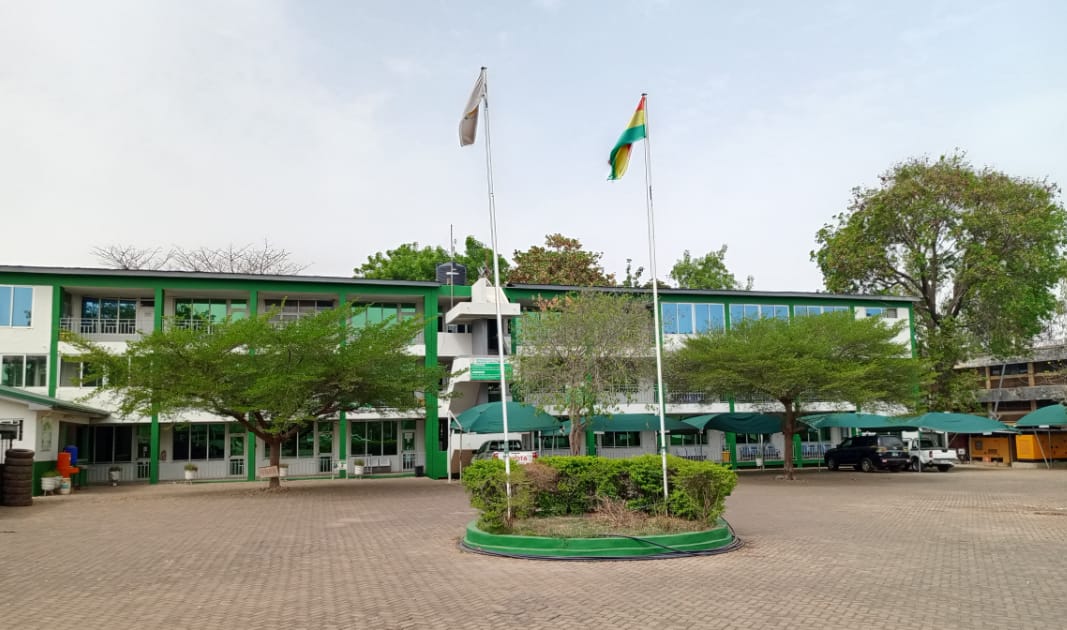
In the heart of Ghana’s Upper East Region, amidst the arid landscape and enduring communities of Bolgatanga, stands a remarkable structure
that seamlessly blends indigenous building traditions with the aspirations of modernity: the Bolgatanga Library. Designed in the
1960s by African American architect J. Max Bond Jr., the library is not merely an artifact of Ghana’s post-independence era; it is a
living embodiment of how the architectonics of traditional northern Ghanaian compounds informed and shaped modern public infrastructure.
As it nears six decades, the library remains a beacon of knowledge and cultural resilience, mirroring both the adobe walls of the region’s
traditional architecture and the ambitions of a newly independent African state.
The Bolgatanga Library was conceived during a time of national rebirth. Ghana, having gained independence from British rule, wascharting a new course for its institutions, infrastructure, and identity. Architects like J. Max Bond Jr. were inspired not just by international modernist principles, but also by the need to ground these ideals within local material cultures and environmental conditions.
Incorporating digitization projects allows elders and cultural practitioners to record and preserve oral histories, vernacular building techniques, and indigenous languages. The Gurune Language Project in Bolgatanga serves as a model, demonstrating how digital repositories can safeguard intangible heritage in tandem with architectural conservation. These strategies ensure the building’s physical longevity and enhance its cultural vitality, preventing alienation of the community and fostering inclusive heritage management.
The Bolgatanga Library is undergoing a thoughtful evolution from a traditional lending library into an open, public reference center dedicated to the architectural and cultural heritage of Northern Ghana. This transformation includes the development of specialized archival collections documenting traditional building techniques and vernacular compound designs, oral histories and cultural narratives related to architecture, as well as anthropological and ethnographic research on regional settlement patterns.
As a research hub, the library will support architects, historians, cultural custodians, and community members in exploring the rich architectural legacy of the Upper East Region. This expanded function enhances the library’s role as a dynamic knowledge center, broadening
its impact beyond book lending to become a vital institution for cultural preservation and scholarly inquiry. This adaptive reuse
aligns seamlessly with the building’s flexible design and communal ethos, maintaining its relevance in a digital age while honoring its
historical and cultural foundations.
The Bolgatanga Library has maintained remarkable architectural integrity over nearly six decades. Unlike many public buildings from
the mid-20th century that have suffered neglect or insensitive renovations, it remains largely true to its original design intent.
Its robust construction, passive design features, and spatial organization continue to embody the core values of vernacular modernism, making it a rare and invaluable example of climate-adapted modern architecture in West Africa.
Listing the library as a heritage site will protect it legally from inappropriate alterations and potential demolition, enable access to
conservation funding and technical expertise, promote awareness of Ghana’s architectural heritage nationally and internationally, and
reinforce community pride and participation in cultural stewardship. The building’s dual identity as both a product of postcolonial
progress and a continuation of indigenous architectural wisdom underscores its unique place in Ghana’s built environment and cultural
history.
The Bolgatanga Library is more than a building; it is a living testament to how architecture can bridge tradition and modernity,
climate and culture, form and function. J. Max Bond Jr.’s visionary design synthesizes the best of international modernism with the enduring wisdom of northern Ghanaian building traditions, resulting in a structure that is at once timeless and timely.
As climate change accelerates and societies seek sustainable, culturally rooted solutions, the library offers a powerful example of how architecture can respond innovatively to environmental challenges while nurturing community identity and continuity. This nomination
calls for the Bolgatanga Library to be officially recognized as aprotected heritage site—ensuring that this architectural and cultural landmark continues to inspire, educate, and serve Northern Ghana for generations to come.