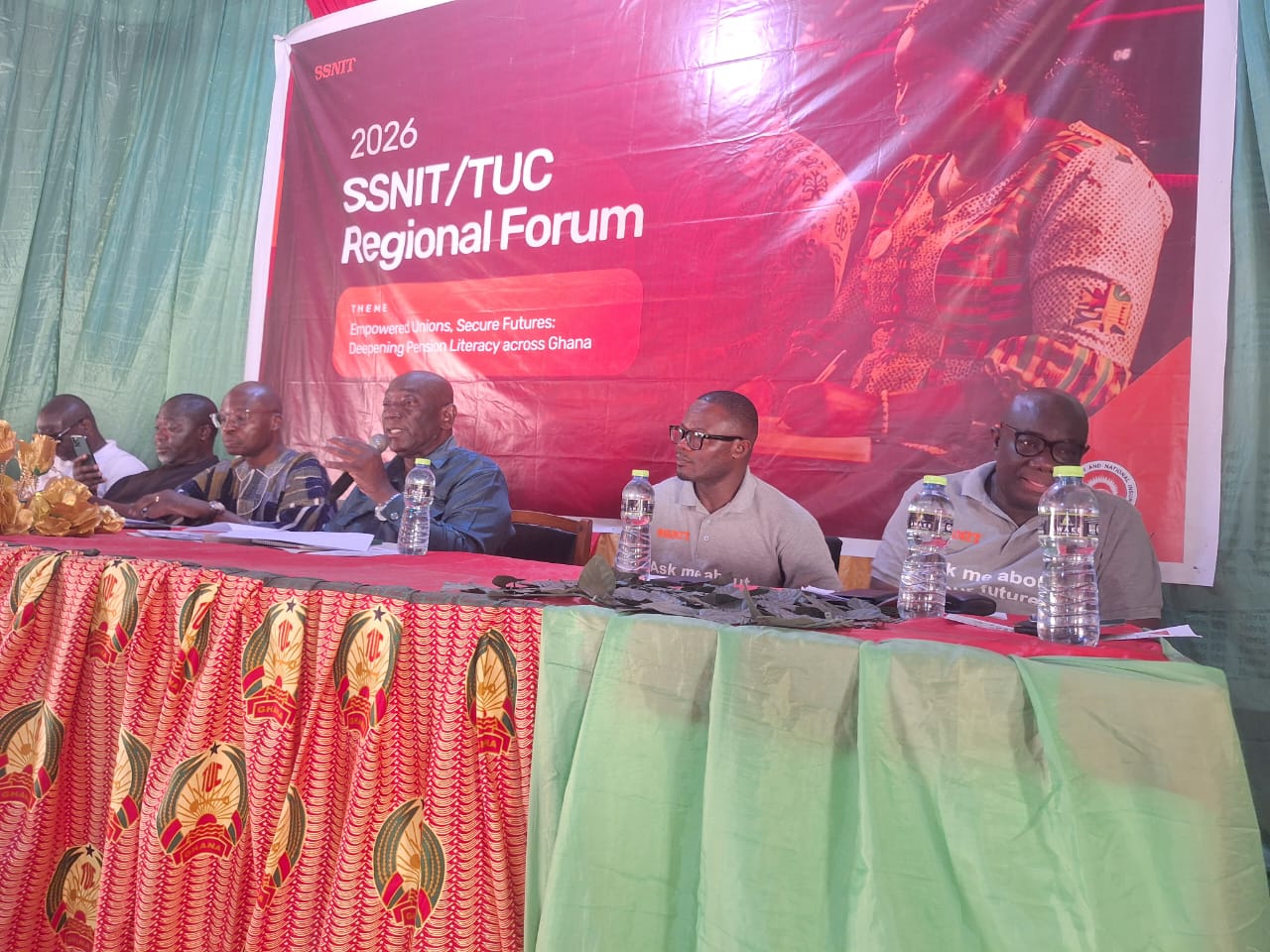
UE/R: SOCO PROJECT FACILITATORS URGED TO WORK HARD FOR THE SUCCESS OF THE PROJECT – DCE NABDAM
By: Prosper Adankai
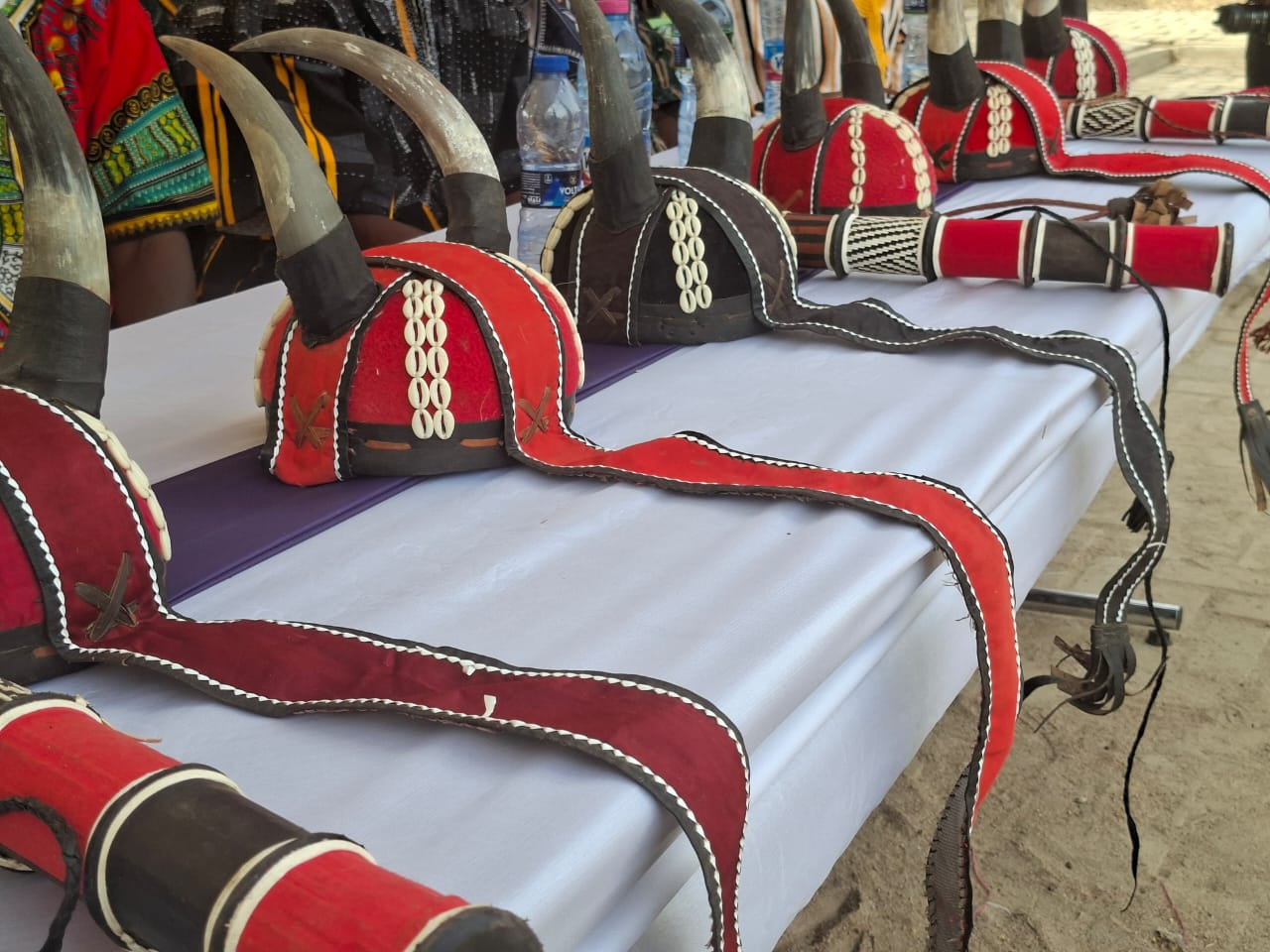
In the savannah landscapes of Ghana’s Upper East Region, history does not reside only in archives, museums, or written chronicles. It lives on the body, in movement, rhythm, and ritual performance. One of the most striking embodiments of this living history is the horn helmet worn during the Deeya (also called Dia) war dance by the Frafra and Grunne-speaking peoples. Known locally as gebego or zuchiak, this helmet is far more than ceremonial attire. It is a material archive of warrior culture, carrying within its form memories of precolonial warfare, hunting traditions, and spiritual worldviews that continue to shape communal identity today.
Before colonial rule, communities in northern Ghana existed in an environment marked by inter-group conflict, territorial defense, and constant negotiation with nature. Martial skill and hunting expertise were essential to survival, and warriors and hunters functioned as protectors of land, livestock, and people. Their social standing depended on proven courage and success. Within this context, horned headgear emerged as a visible sign of achievement. The right to wear horns was not inherited but earned through acts of bravery—successful participation in warfare, the defense of the community, or the killing of dangerous wild animals. The helmet thus became a public record of accomplishment, legible to the entire community and embedded within systems of honor and accountability.
This practice reflects wider Sudanic and Sahelian traditions across West Africa, where horns symbolized power, ferocity, and spiritual potency. Among the Frafra and Grunne peoples, these broader cultural ideas fused with local cosmology. Horns were believed to carry concentrated life force capable of amplifying a warrior’s presence and intimidating enemies. As a result, the horn helmet was never simply decorative; it was understood as an extension of the wearer’s spiritual and physical capacity.
As political conditions changed and colonial rule curtailed inter-community warfare, the meaning of the horn helmet shifted without disappearing. What once appeared on the battlefield gradually found its place within ritual performance. The Deeya war dance emerged as a formalized expression that preserved martial memory while transforming violence into controlled movement and rhythm. Characterized by stamping steps, sharp turns, weapon gestures, and forceful drumming, the dance reenacts the energy of battle without actual combat. Within this performance space, the horn helmet continues to assert its authority. When worn by a dancer, it signals embodiment of the warrior spirit rather than simple participation in dance.
The construction of the gebego or zuchiak reflects deep environmental knowledge and ritual intentionality. Traditionally, the helmet is made entirely from locally sourced materials. The base is carved from a calabash, valued for its durability and organic symbolism as a life-bearing vessel. This foundation is shaped into a fitted cap that supports the helmet’s more dramatic elements. Historically, horns from wild animals such as buffalo were preferred, as these animals embodied danger, strength, and exceptional bravery. Wearing such horns testified to a warrior’s extraordinary achievements. In contemporary contexts, however, environmental change and conservation restrictions have made wild animal horns scarce, leading to the use of horns from domestic animals such as cows and rams. While these carry less prestige, they still situate the wearer within the warrior tradition.
The calabash base is often covered with animal skin or cloth and decorated with cowrie shells. Cowries, once used as currency across much of Africa, symbolize wealth, fertility, and spiritual protection. Their presence transforms the helmet into a protective object believed to ward off harm and attract ancestral favor. The making of the helmet is not merely technical; it may involve ritual observances, prayers, or the supervision of elders. Through this process, the helmet is understood to be spiritually activated, ensuring that it functions as more than a physical object.
Symbolically, the horn helmet operates on several interconnected levels. At its most visible, it marks bravery and status. The specific materials used communicate the wearer’s achievements and standing within the community, allowing history to be read through appearance. On a deeper level, the helmet is believed to confer metaphysical protection and empowerment. During the Deeya dance, the wearer is thought to be shielded from danger and infused with ancestral strength. The helmet facilitates a liminal state in which the dancer becomes more than an individual, embodying the presence of past warriors.
This ancestral dimension is especially evident in funerary contexts. The Deeya war dance is most prominently performed at the funerals of elders, renowned warriors, and respected community leaders. In these moments, the horn helmet functions as a bridge between the living and the dead. By wearing it, dancers embody ancestral warriors who guide the deceased safely into the ancestral realm while reaffirming communal continuity. The performance asserts that death does not sever social bonds but transforms them.
Like all living cultural forms, the horn helmet tradition has adapted over time. Modern textiles and new materials sometimes appear in contemporary versions, reflecting changing tastes and economic realities. Yet traditional authorities and cultural custodians continue to emphasize the preservation of the helmet’s core meanings. Its continued use in ritual performance demonstrates the resilience of Frafra and Grunne cultural memory and their capacity to maintain continuity without resisting change.
The horn helmet of the Deeya war dance is therefore not simply a performance accessory but a living historical artifact. Through its form, materials, and ritual use, it preserves the legacy of precolonial warfare, hunting traditions, and spiritual belief systems. Each gebego or zuchiak narrates a story of bravery, communal responsibility, and ancestral reverence. History, in this context, is not confined to oral tradition or written record. It is worn on the body, animated through dance, and remembered through movement, ensuring that the past remains visible and meaningful in the present.