UE/R: SOCO PROJECT FACILITATORS URGED TO WORK HARD FOR THE SUCCESS OF THE PROJECT – DCE NABDAM
By Prosper Adankai
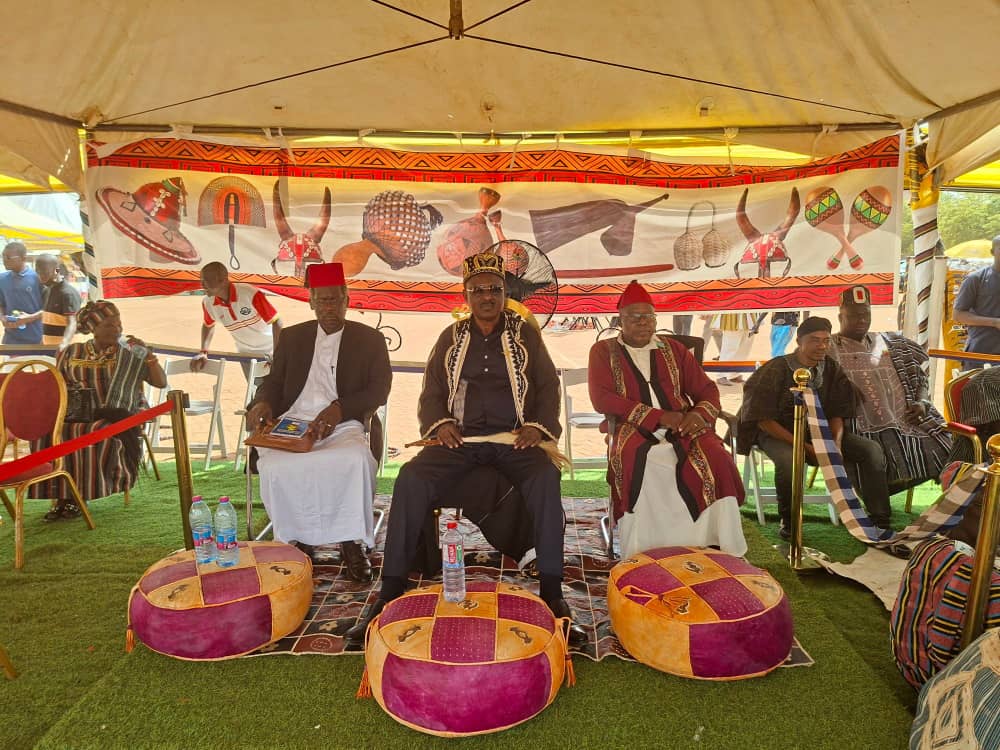
His Royal Majesty King Nabango Mumia II of the historic Wanga Kingdom in Kenya has paid a landmark visit to the Upper East Region of Ghana, marking a significant moment in the ongoing effort to strengthen alliances among Africa’s traditional leadership and to rekindle
cultural bonds that have interconnected African societies for centuries. His visit represents more than a diplomatic gesture between
two cultural communities; it reflects a broader Pan-African resurgence aimed at restoring the relevance of indigenous governance structures,
reviving inter-kingdom networks, and elevating traditional institutions as key actors in Africa’s development and unity agenda. His Royal Majesty King Nabango Mumia II is the current traditional ruler of the Wanga Kingdom, a historically influential monarchy of the Abawanga people in Western Kenya. The Wanga Kingdom is recognised by historians as one of the most centralised and organised pre-colonial
governance systems in East Africa, with its capital at Mumias. Its most renowned ruler, Nabongo Mumia Shiundu, who led the kingdom in the
late nineteenth and early twentieth centuries, played a significant role in regional politics and trade and maintained diplomatic
relations with neighbouring communities and colonial authorities. As successor to this longstanding royal lineage, King Mumia II oversees the cultural and ceremonial affairs of the kingdom today. While his role is largely symbolic in Kenya’s modern political structure, he is
widely regarded—both within the kingdom and among contemporary Pan-African cultural networks—as a custodian of Wanga heritage and a
figure working to promote cultural preservation, inter-community dialogue, and connections between African traditional institutions and
the wider diaspora.
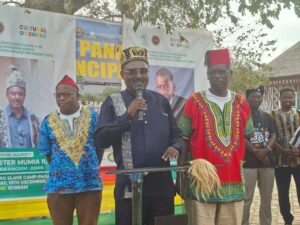
King Mumia II’s presence in the Upper East Region underscores his growing stature as a continental advocate for cultural preservation
and inter-kingdom cooperation. As the 11th custodian of the Wanga Kingdom—one of East Africa’s most resilient and historically
influential monarchies—he carries forward a legacy rooted in diplomacy, organized governance, and centuries-old traditions that continue to shape the identity and cohesion of his people. Situated in Western Kenya, the Wanga Kingdom has long stood as a model of structured indigenous governance, with a lineage that includes the renowned Nabongo Mumia I, whose leadership in the late 19th and early 20th centuries positioned the kingdom as a central authority in regional politics and trade. Nabongo Mumia’s ability to navigate complex relations with neighboring kingdoms, traders, explorers, and colonial powers established a historical foundation of leadership, negotiation, and diplomacy that continues to define the Wanga royal household. King Mumia II, inheriting this legacy, has positioned himself as a bridge between Africa’s past and its contemporary aspirations, using his influence to promote unity, cultural revival, and shared development across borders.
During his visit to the Upper East Region, King Mumia II emphasized the critical importance of unity among African kingdoms and traditional authorities. He noted that while Africa continues to make strides through modern state-led initiatives, the continent’s cultural and governance roots are deeply embedded in the traditions upheld by its royal houses, chiefs, and elders. For him, reconnecting these traditional systems is fundamental to strengthening African identity and creating a foundation for peace and grassroots development. He stressed that traditional institutions—many of which predate modern states—have historically fostered cohesion, facilitated dispute resolution, and preserved values that form the backbone of community life. By reactivating these networks across national borders, King Mumia II believes Africa can achieve a deeper form of unity built on shared heritage and mutual respect.
Accompanying King Mumia II is Tony Rogers, President of the Harlem Tourism Board in the United States, together with members of the
African diaspora and the Cultural Oneness team. Their involvement adds a global dimension to the tour, highlighting increasing diaspora
interest in African royal institutions as symbols of continuity, resilience, and cultural pride. For decades, African diaspora communities in the Americas have sought deeper connections with the continent, and partnerships with traditional authorities create opportunities for cultural reconnection, historical education, and identity affirmation. Rogers, in his public remarks during the visit, underscored that Africa’s kingdoms hold immense potential as custodians of heritage tourism and cultural diplomacy, offering unique narratives that can strengthen the global African identity. The Cultural Oneness team, known for promoting unity between Africans and descendants of the African diaspora, echoed similar sentiments, noting that traditional institutions can serve as anchors for healing generational disconnection and fostering a greater sense of global belonging among people of African descent.
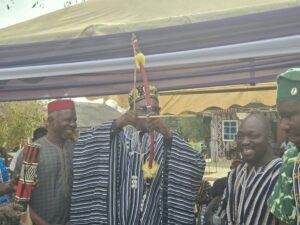
As part of the itinerary, King Mumia II and his delegation paid a courtesy and solidarity visit to the Upper East Regional Coordinating Council. They were received by the Regional Coordinating Director, who represented the Upper East Regional Minister. During their discussions, the parties explored areas of potential cooperation, with particular emphasis on cultural exchange, heritage tourism, indigenous knowledge systems, youth empowerment, climate resilience, and traditional governance. Officials affirmed that reconnecting Africa’s indigenous networks is crucial not only for celebrating shared history but also for reinforcing Africa’s collective capacity to address modern challenges. By nurturing collaborations between traditional institutions, local governments, and diaspora communities, they believe Africa can build stronger cultural bridges and generate development initiatives rooted in identity, history, and community
values.
A significant aspect of the conversation centered on the preservation of indigenous knowledge systems—knowledge passed down orally through
generations, often embedded in traditional rites, ecological practices, conflict mediation mechanisms, and social norms. Ghana’s
Upper East Region, like many parts of Africa, has a rich reservoir of such knowledge, especially within its chieftaincy institutions and
community governance structures. Traditional farming methods, architectural practices, cultural taboos, and oral histories all contribute to a body of wisdom that holds relevance even in the modern era. King Mumia II expressed strong interest in learning from these
systems and sharing experiences from his own kingdom, noting that indigenous knowledge is a vital cultural resource that must not be
lost. He argued that Africa’s development strategies must tap into these reservoirs of wisdom, not as relics of the past but as tools for
sustenance, resilience, and innovation.
Heritage tourism also emerged as a prominent theme. With increasing global interest in African history, traditional kingdoms stand as
unique cultural attractions capable of driving tourism and generating economic opportunities for local communities. The involvement of the
Harlem Tourism Board reflects this potential, as its president emphasized that cultural tourism presents Africa with a powerful
avenue for global engagement. The board’s collaboration with the Wanga Kingdom aims to create pathways through which African Americans and other diaspora groups can return to the continent, not merely as tourists but as reconnecting family members seeking meaningful
engagement with Africa’s living traditions. The delegation noted that the Upper East Region—with its historical sites, festivals,
architectural heritage, and strong traditional leadership—could benefit significantly from such cross-continental cultural
partnerships.
The visit further illuminated the growing movement among African traditional rulers to build a continent-wide coalition dedicated to cultural restoration and unity. King Mumia II has been actively participating in such initiatives, reinforcing the idea that Africa’s traditional leaders can serve as ambassadors of peace and symbols of continuity in a rapidly changing world. The rise of Pan-African cultural diplomacy—where kings, chiefs, queens, and traditional councils play active roles—signals a transformative shift in how African societies perceive their ancestral governance systems. Rather than sidelining these institutions, many communities are rediscovering their relevance and potential as pillars of social cohesion, identity formation, and grassroots development. In Ghana, traditional authorities hold constitutionally recognized
roles and continue to influence local governance, conflict resolution, and cultural preservation. The synergy between Ghana’s chieftaincy
institutions and the visiting delegation created space for reflection on how African nations might better integrate traditional governance
into broader national and continental agendas. King Mumia II highlighted that unity between Africa’s traditional authorities could
complement state diplomacy by fostering trust and solidarity at the community level—areas where traditional rulers often wield stronger
influence than modern political structures. He underscored that building such alliances is not only symbolic but practical, especially in matters of cultural education, youth mentorship, environmental stewardship, and peacebuilding.
Officials at the Regional Coordinating Council welcomed these perspectives, expressing optimism about future collaborations. They emphasized that Africa’s diverse kingdoms, though separated by geography, share common values: respect for elders, community solidarity, ancestral reverence, stewardship of the land, and the celebration of cultural identity. These shared values, they noted, provide a strong foundation upon which cross-border traditional alliances can flourish. They also pointed out that as Africa grapples with globalization, climate change, and the pressures of modernization, reconnecting traditional networks can serve as a cultural anchor, preserving identity while inspiring collective solutions. Throughout his engagements, King Mumia II expressed admiration for the cultural richness of Ghana’s Upper East Region and the warmth of its people. He described the visit as both spiritually fulfilling and strategically significant, praising the region’s commitment to preserving its traditional institutions and cultural heritage. He also extended an invitation for continued collaboration between the Wanga Kingdom and traditional authorities in the region, emphasizing that unity must be nurtured through consistent dialogue, shared
experiences, and mutual respect.
The visit ended with renewed calls for strengthening ties between Africa’s kingdoms, reconnecting diaspora communities, and positioning
traditional institutions as partners in continental development. King Mumia II’s journey to the Upper East Region serves as a powerful reminder that Africa’s cultural renaissance is gathering momentum, driven by leaders who recognize the value of heritage, identity, and
unity. As kingdoms across the continent re-engage with one another and with the diaspora, they build pathways toward a future where
traditional leadership and modern development work hand in hand to shape Africa’s destiny. King Mumia II’s visit may be one journey among many, but it symbolizes a larger movement—one grounded in memory, solidarity, and the enduring belief that Africa can draw strength from its cultural roots to forge a more united and prosperous future.