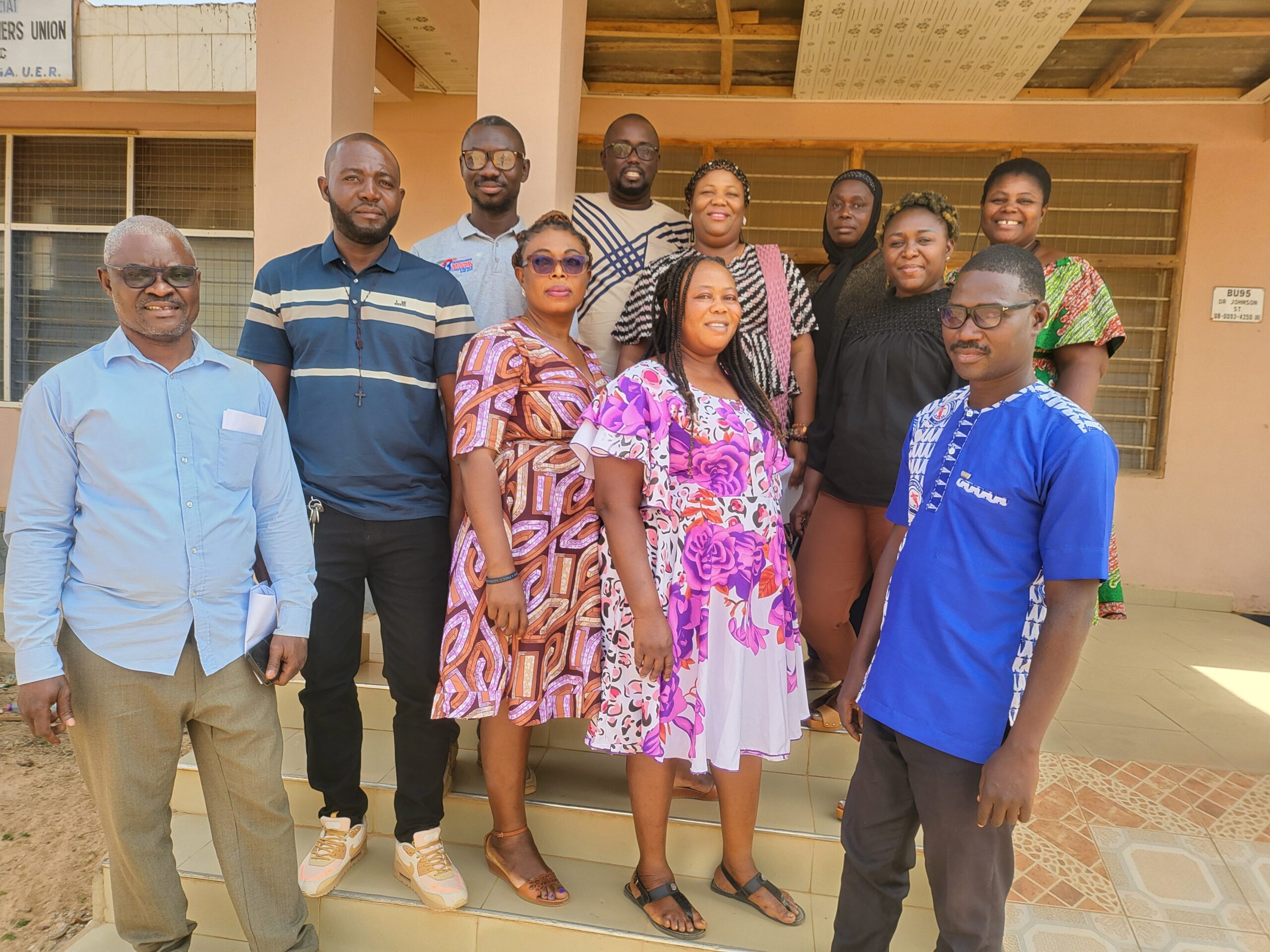
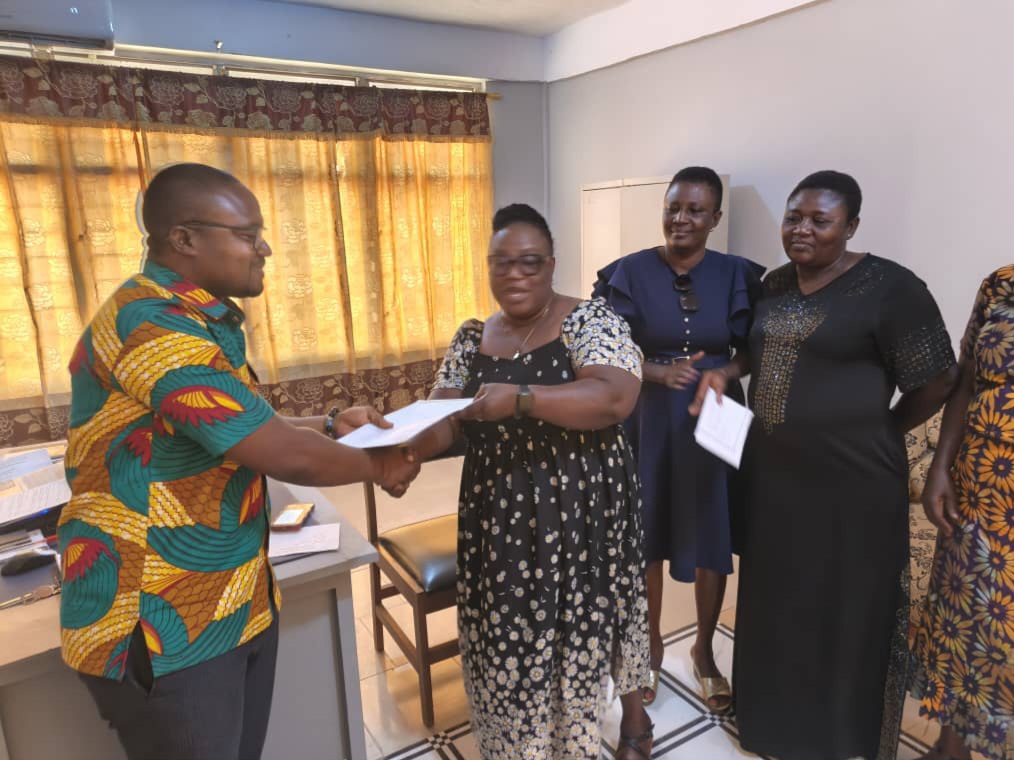
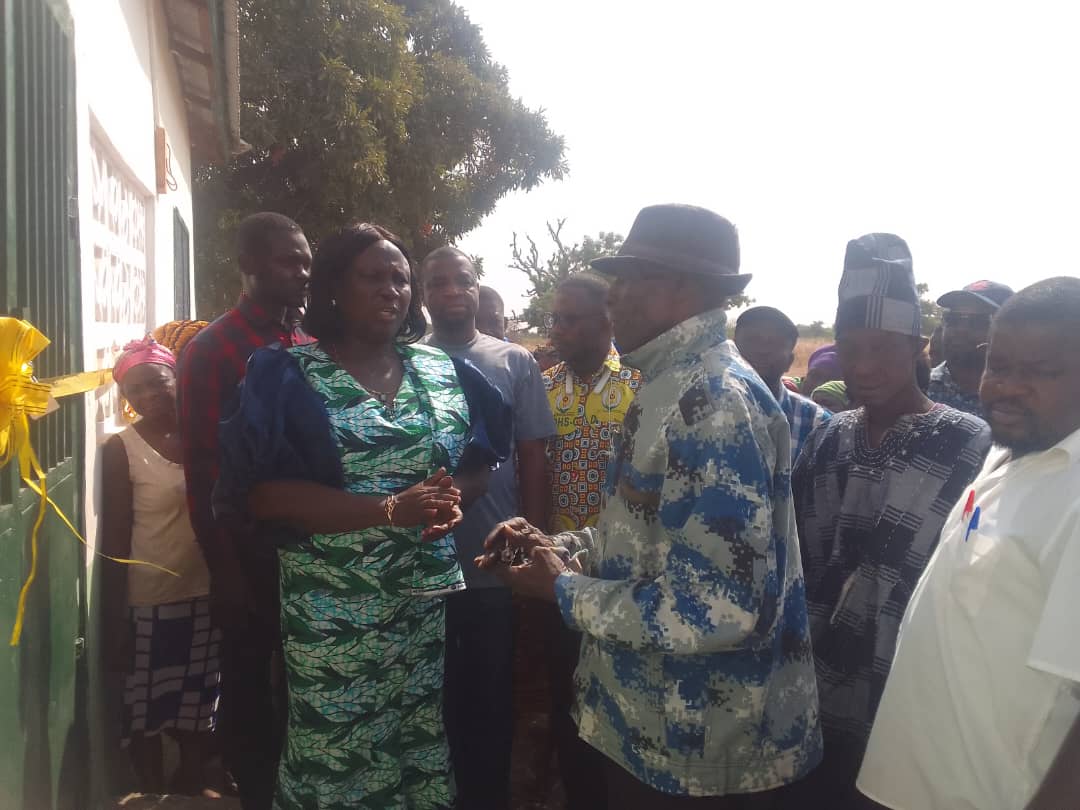
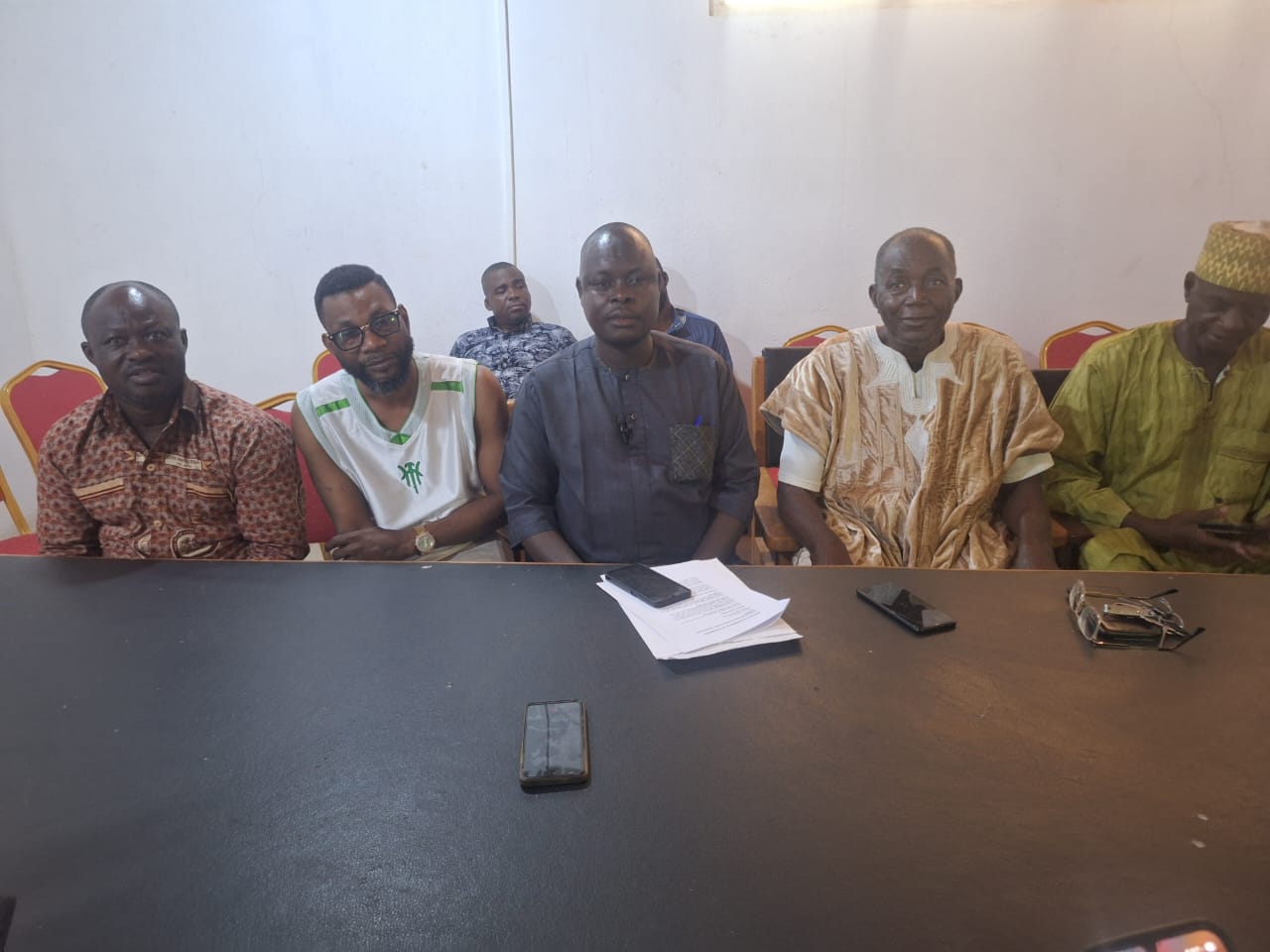
UE/R: SOCO PROJECT FACILITATORS URGED TO WORK HARD FOR THE SUCCESS OF THE PROJECT – DCE NABDAM
BY: ATUIMAH VALERIUS
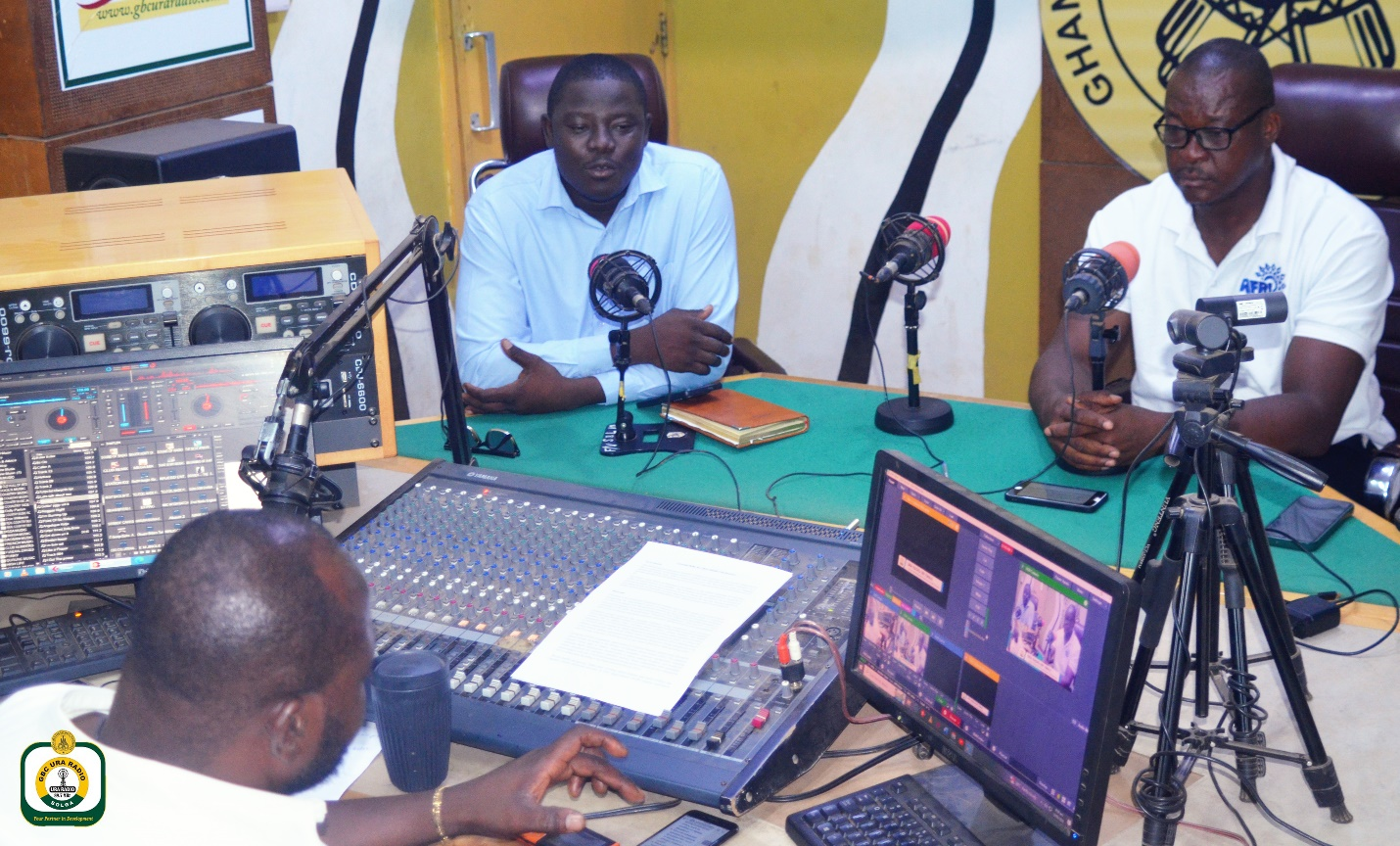
Leading civil society organizations, including the Navrongo-Bolgatanga Catholic Development Organization (NABOCADO) and Afrikids Ghana, marked the Global Action Week on Education (GAWI) with a crucial discussion on the urgent need for a comprehensive national policy on education in emergencies. Speaking on the URA Sunrise show with Kimo on Tuesday 10th June, 2025, representatives highlighted the devastating impact of conflicts, natural disasters, and illegal mining on access to quality pre-tertiary education, particularly in Northern Ghana.
Agana Blaise, Project Officer and Education Coordinator for NABOCADO, and Raymond Ayine, Communications and Advocacy Manager at Afrikids Ghana and Coordinator of the Northern Network for Education Development (NED), stressed that education is a fundamental human right and pivotal to bridging the development gap between the northern and southern parts of Ghana.
“If you look at the development gap between the North and the South, you would notice that for so long now we have been advocating that we need to bridge the development gap between the North and South,” Agana Blaise stated. “And which better way is there to do that except through education?”
The discussion underscored the myriad challenges facing education in Northern Ghana, including:
- Infrastructure Deficiencies:Children in some areas still sit on floors due to lack of adequate school infrastructure.
- Humanitarian Crises:The influx of asylum seekers from Burkina Faso due to jihadist activities, the protracted Bawku conflict (which has led to the closure of 47 schools affecting over 12,000 students since 2021), and chieftaincy conflicts in the Northeast region (affecting nearly 8,700 learners) severely disrupting learning.
- Natural Disasters:Annual dam spillages and severe rainstorms (like the one three weeks ago that ripped off school roofs) regularly displacing students and teachers.
- Illegal Mining (Galamsey):This pervasive issue lures children away from schools, with some young people earning more than their teachers, creating a dangerous benchmark for success solely based on money. This also contributes to alarming rates of teenage pregnancies and child labor, which is illegal under the Children’s Act.
- Teacher Exodus:Teachers are increasingly seeking transfers from the northern regions due to harsh conditions and lack of support, further exacerbating the educational crisis.
- Digital Divide:The COVID-19 pandemic exposed a stark digital divide, with only 21% of rural households having internet access compared to 42% in urban areas, hindering remote learning initiatives.
Raymond Ayine emphasized the inequity of expecting students from crisis-affected areas to sit the same national exams as those from stable environments. “We are running a race where there is no equity, where the field is not level for all of us,” Ayine asserted.
The Global Action Week on Education, an initiative of the Global Campaign for Education (GCE), aims to advocate for the development and implementation of a comprehensive national policy on education in emergencies. Objectives include engaging policymakers, educators, students, and communities in discussions on building resilient educational systems and highlighting the critical importance of educational continuity during crises.
“It is government’s core responsibility to make sure that every child has an opportunity to learn. In fact, it is almost criminal for a parent not to educate a child in Ghana,” Ayine reminded, citing Ghana’s Children’s Act.
The organizations are calling for a multi-sectoral approach involving government, parliament, and the media to:
- Develop a robust educational framework for emergencies, including health crises, natural disasters, and social disruptions.
- Provide psychosocial support for learners, teachers, and education workers in crisis zones.
- Prioritize the deployment of qualified local teachers and explore “flash training” programs for non-trained educators in emergency areas.
- Utilize technology for remote learning and explore alternative assessment methods for students in emergency environments.
- Address the root causes of child labor in mining communities and enforce existing laws.
Both NABOCADO and Afrikids Ghana, as key partners of the Ghana National Education Campaign Coalition (GNECC), are actively engaging in media campaigns and grassroots community sensitization to galvanize public support and prompt policy changes for a more resilient and equitable education system across Ghana.