UE/R: SOCO PROJECT FACILITATORS URGED TO WORK HARD FOR THE SUCCESS OF THE PROJECT – DCE NABDAM
BY: Gladys Apuweni
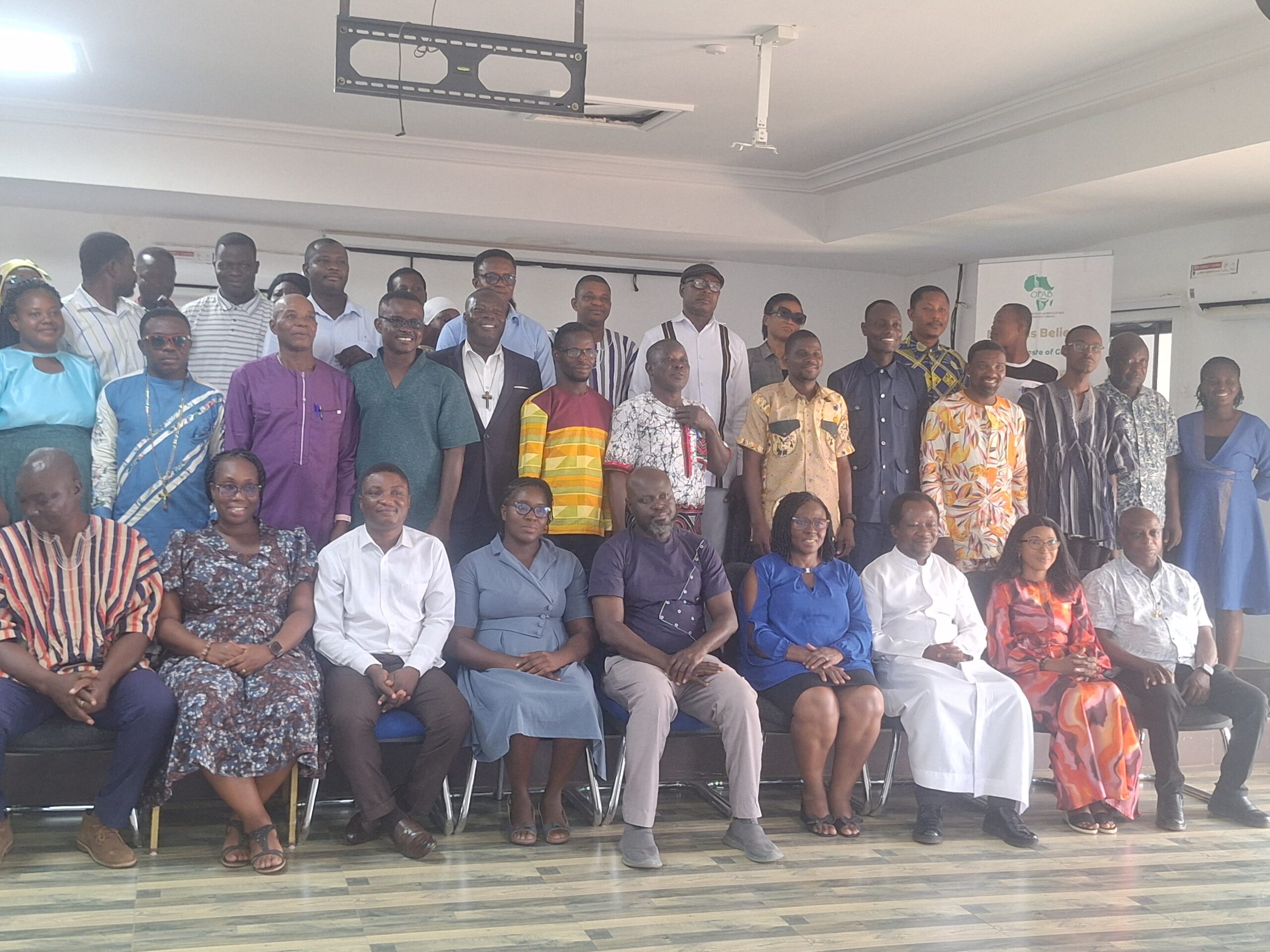
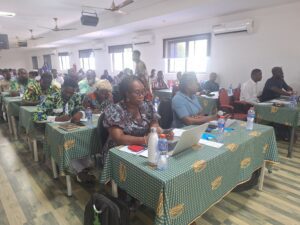
The Council for Scientific and Industrial Research (CSIR), in collaboration with the Open Forum on Agricultural Biotechnology in Africa (OFAB) and the African Agricultural Technology Foundation (AATF), has held a high-level engagement with faith leaders in the Upper East Region to demystify biotechnology and create awareness on Ghana’s first genetically modified crop, the Pod Borer Resistant (PBR) Cowpea.
The forum, which brought together Christian leaders, interfaith representatives, and civil society actors, sought to provide clarity on biotechnology issues, regulations guiding its use, and the benefits of the technology to farmers and consumers alike.
Speaking at the event, Dr. Gloria Adesabra, a plant breeder with CSIR-Savannah Agricultural Research Institute, emphasized the importance of engaging faith leaders because of their influential role in shaping public opinion. “Once our faith leaders understand that science is not a contradiction of faith, they can help pass on accurate information to their congregations. This way, we counter misinformation and build trust,” she noted.
Highlighting the status of PBR Cowpea in Ghana, she revealed that the crop was officially released in 2024 and certified seeds are already being cultivated by farmers. “With the PBR cowpea, farmers need only two sprays during the crop’s life cycle compared to the usual 8 to 10 sprays. This reduces cost, minimizes environmental damage, and boosts yields,” Ms. Adesabra explained.
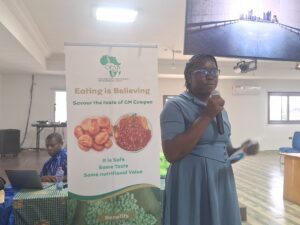
Dr. Flora Christine Amaglu, a food scientist with CSIR-SARI, reassured participants that the nutritional content of PBR cowpea remains the same as conventional cowpea. “Our studies show no significant difference in protein, carbohydrates, lipids, and minerals. In fact, consumer testing of popular dishes such as waakye, tubani, kose, and red-red showed equal or better acceptability compared to existing varieties,” she said.
Faith leaders who participated expressed appreciation for the initiative. Reverend Father Dr. Mark Caesar Abagna of the Navrongo-Bolgatanga Diocese observed that the session helped counter conspiracy theories surrounding GMOs. “Technology is here to help us, not destroy us. Education like this is essential to move forward,” he stated.
Reverend Goldier Uemuye Patra admitted that the workshop dispelled long-held fears. “I used to believe that genetically modified crops could alter human genes, but today I’ve learned they are safe and beneficial for farmers and consumers alike,” he said.
Mr. Amapodom Adjemay, representing OFAB Ghana, stressed that biotechnology provides a viable solution to the challenges of food security, especially in the face of climate change and shrinking farm land “Farmers should not always be at the losing end. With technologies like PBR cowpea, we can enhance productivity and ensure Africa does not go hungry,” he remarked.
The organizers reiterated that the engagement was only the beginning of sustained public education on biotechnology. By leveraging the influence of faith leaders, CSIR, OFAB, and AATF aim to broaden understanding, counter misinformation, and promote informed choices about agricultural biotechnology in Ghana.