UE/R: SOCO PROJECT FACILITATORS URGED TO WORK HARD FOR THE SUCCESS OF THE PROJECT – DCE NABDAM
BY: Gladys Apuweni
His Royal Highness Naba Tahiru Tia, Paramount Chief of the Gambaga Traditional Area, has reiterated that the Gambaga community remains a place of refuge and safety for individuals accused of witchcraft.
Addressing a gathering at the Gambaga “Witch Camp,” the Chief dispelled misconceptions surrounding the settlement, emphasizing that it is not a place where witches are identified and brought in, but rather a sanctuary for those fleeing persecution.
The Gambaga Witch Camp is not outside the community. It is in the very heart of Gambaga. It is not a place created by the government to gather witches. Rather, it is a safe haven for people, mostly women who run here because they are being persecuted or threatened with death. When they come, we give them a place to stay. This is what Gambaga has always stood for: saving lives,” Naba Tia said.
He stressed that the tradition of offering protection is deeply rooted in Gambaga’s culture, where historically anyone seeking refuge—even a condemned prisoner – was spared if they managed to reach safety within the community.
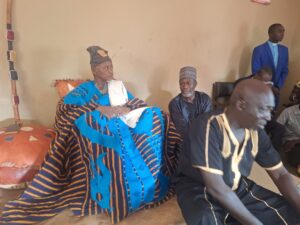
We save people. That is who we are. Gambaga is a safe place for everybody, and the world must understand that we do not force anyone to come here. They come because they fear for their lives, and here, they find protection,” the Chief added.
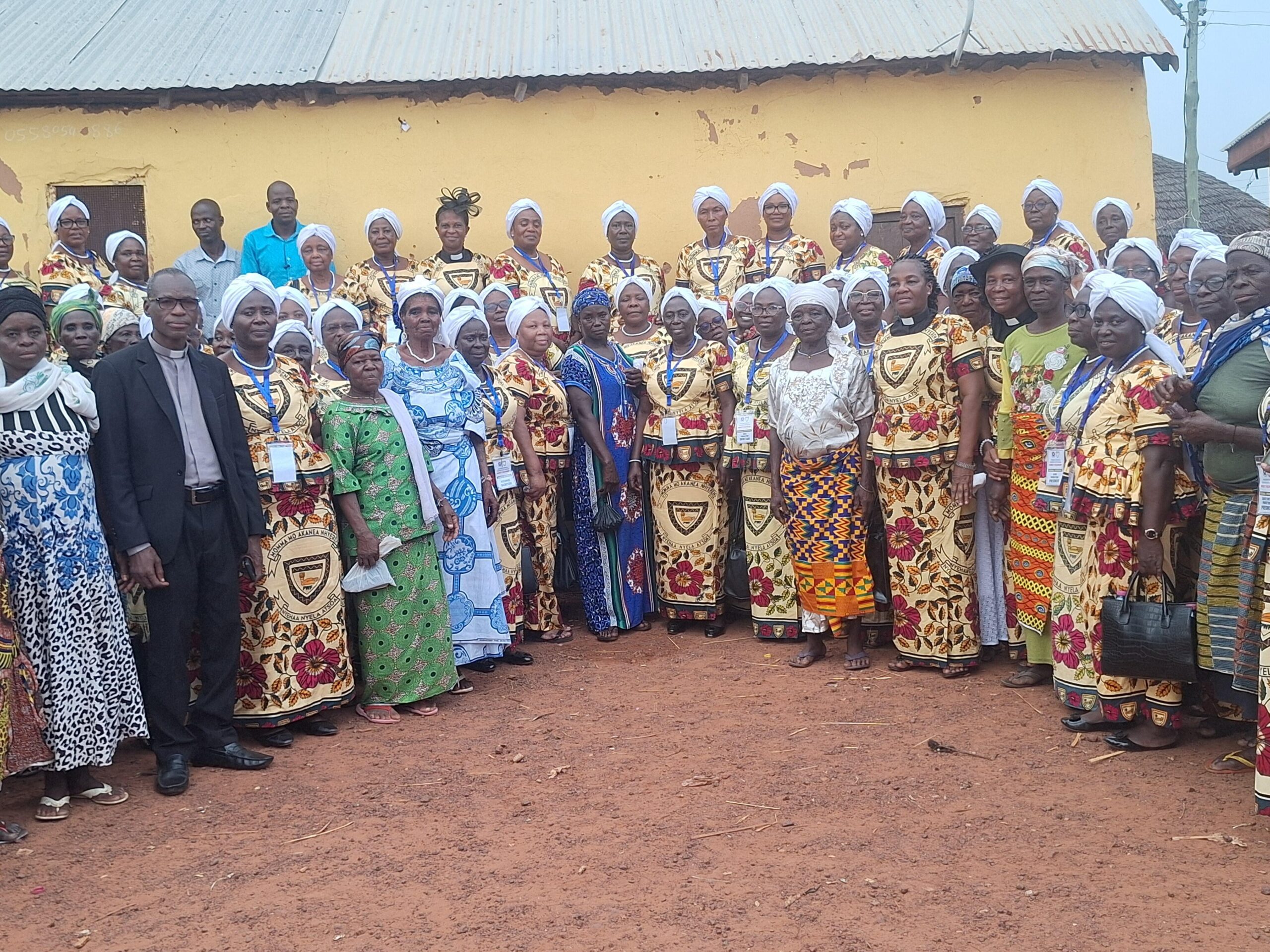
In solidarity with the Gambaga camp women, the National Women’s Fellowship of the Presbyterian Church Ghana, led by the national president, presented food supplies and cash worth ₵32,000 to the women. The donation included bags of rice, maize, gari, sugar, and other assorted items amounting to 30.000 gh in addition to a cash amount of ₵2,000.
The National Women’s President encouraged the women to remain resilient and anchored in faith despite the circumstances that brought them to Gambaga. Be strong, continue to believe in God, and live a life that is pleasing to God. We assure you that the Presbyterian Church will continue to stand by you, support you, and pray with you,” she told the women.
Rev. Gladys Lariba Mahama Explains the Mission of the Camp
Reverend Gladys Lariba Mahama, Head of the Gambaga Camp and a minister of the Presbyterian Church, provided clarity on the camp’s history and mission. She highlighted that the camp was born out of compassion and tradition, not as a center for witchcraft.
She traced its origins to an incident when a local leader rescued a woman on her way to execution in Nalerigu. The woman was sheltered in Gambaga with the consent of the overlord, and over time, other accused women also sought refuge there.
The Gambaga Witch Camp is not a place for witches but for alleged witches who come here for safety. We do not hunt people down. They come running because they fear for their lives. Once they are here, they are treated with dignity, given shelter, linked to health facilities, and supported to rebuild their lives,” Rev. Mahama explained.
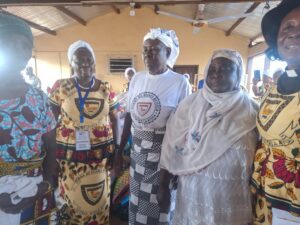
She further outlined the church’s ongoing support, which includes reintegration programs that have reunited thousands of women with their families since 1994, farming projects that provide maize for food distribution, skill-training initiatives such as bead-making and soap production, and access to healthcare.
Today, we have about 79 women and 33 children living in 22 compounds here. The Presbyterian Church employs staff to care for them, and with the support of the chiefs and the community, these women are not only surviving but also contributing to society, she said.
Reverend Mahama expressed gratitude to the chiefs, elders, and the entire Gambaga community for their collaboration, stressing that the camp remains a living testimony of compassion, protection, and the preservation of human dignity.